Zambia's drought reveals hydropower's climate vulnerability

Droughts linked to climate change have crippled Zambia’s hydropower-dependent energy system, leading to economic struggles and a surge in deforestation for charcoal production.

Chico Harlan reports for The Washington Post.


In short:

  • Severe drought has left Zambia’s largest hydropower plant operating at 10% capacity, causing widespread blackouts.
  • The energy crisis has forced the country to expand coal-fired power plants and turn to charcoal, accelerating deforestation.
  • Climate models suggest hydropower will become increasingly unreliable as global warming intensifies droughts. A WWF study found that 26 percent of hydropower dams are in places where water scarcity. risks are medium to very high.

Key quote:

“Without the rainfall, this infrastructure becomes a white elephant.”

— Cephas Museba, Kariba hydro plant manager.

Why this matters:

Hydropower provides nearly half of the world’s renewable energy, but its vulnerability to drought threatens energy security and climate goals. Zambia’s struggles illustrate a broader global challenge, as countries face tough choices between fossil fuels and environmental degradation.

Related: Severe drought in Zambia risks widespread hunger and economic collapse

Beach umbrellas with yellow and white stripes against a blue sky

Heat killed ‘staggering’ 50,000 people in Europe’s cities this summer, scientists warn

People succumbed to heat at highest rates in Malta, Italy and Hungary, with health issues, loneliness and poverty exacerbating toll.

A view of a sidewalk in a neighborhood with trees lining the street

The hidden history of how Big Oil invented the American Dream

From the family car to the dream kitchen, fossil fuel companies sold a way of life that depended on their products. New evidence shows how they did it.
Two construction workers looking up at scaffolding on a new build

Oil and tech money back measure to limit California environmental law

Proposition 45 would ease development of a wide range of projects, including some fossil-fuel facilities and possibly AI data centers.
A view of a bamboo forest

The case for low-carbon bamboo fuel starts at $2.75 a gallon

The fastest-growing plant on Earth can be turned into biocrude with almost no waste. A new study finds it emits 26 times less carbon than petroleum diesel.
A view of dark storm clouds with blue skies in the background

In Honduras, hard hit by drought, authorities hope to make it rain using contentious tactic

Global warming is making the El Niño weather pattern stronger, and that’s prolonging a devastating drought across a region of Central America known as the Dry Corridor.
A woman with an umbrella looking out over a city street at night

This year’s powerful El Niño may preview California’s climate future

Researchers warn that this winter’s El Niño impacts could be a window into the future, with higher seas and more intense storms.
A view of a miniature living room with doll-sized furniture

Where fossil fuels are lurking in your home — room by room

Tour our miniature dream house to see how oil and gas became part of everyday products.
From our Newsroom
Multiple Houston-area oil and gas facilities that have violated pollution laws are seeking permit renewals

Multiple Houston-area oil and gas facilities that have violated pollution laws are seeking permit renewals

One facility has emitted cancer-causing chemicals into waterways at levels up to 520% higher than legal limits.

Regulators are underestimating health impacts from air pollution: Study

Regulators are underestimating health impacts from air pollution: Study

"The reality is, we are not exposed to one chemical at a time.”

Pennsylvania governor Josh Shapiro speaks with the state flag and American flag behind him.

Two years into his term, has Gov. Shapiro kept his promises to regulate Pennsylvania’s fracking industry?

A new report assesses the administration’s progress and makes new recommendations

silhouette of people holding hands by a lake at sunset

An open letter from EPA staff to the American public

“We cannot stand by and allow this to happen. We need to hold this administration accountable.”

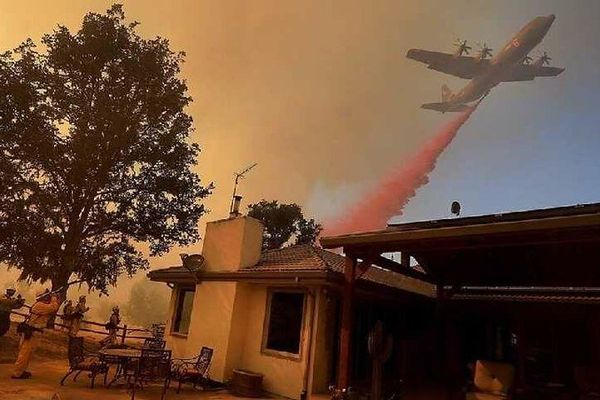
wildfire retardants being sprayed by plane

New evidence links heavy metal pollution with wildfire retardants

“The chemical black box” that blankets wildfire-impacted areas is increasingly under scrutiny.

Stay informed: sign up for The Daily Climate newsletter
Top news on climate impacts, solutions, politics, drivers. Delivered to your inbox week days.