Wildfires in Canada bring health concerns with persistent smoke exposure

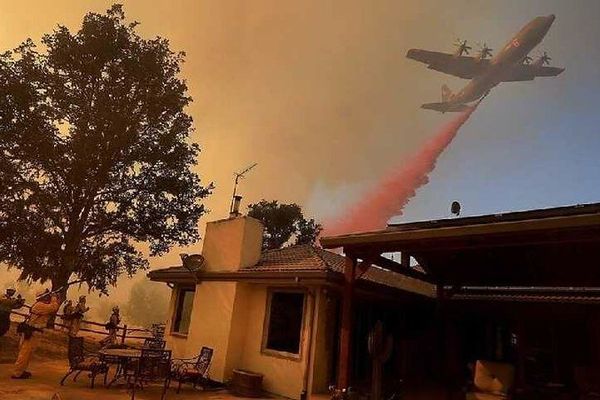
Increased frequency and intensity of wildfires in Canada pose significant long-term health risks due to persistent smoke exposure.

Stephanie Cleland and Ryan W. Allen write for The Conversation.


In short:

  • Wildfires in Canada have increased by 220% over the last two decades, threatening air quality.
  • Long-term exposure to wildfire smoke is linked to premature death, reduced lung function and increased cancer risks.
  • Persistent smoke exposure also affects cognitive function and prenatal health.

Why this matters:

Chronic exposure to wildfire smoke can lead to a variety of long-term respiratory issues. Conditions such as asthma and chronic obstructive pulmonary disease can be exacerbated, leading to more frequent and severe attacks. Even those without pre-existing conditions can develop new respiratory problems after prolonged exposure to these harmful pollutants. For vulnerable populations like children, the elderly and individuals with pre-existing health conditions, the risks are even higher.
A view of a lake with tall trees and mountains in the background

Trump is thirsty for Canada’s water, but our own gluttony is the bigger threat

Scarcity, pollution, and deregulation are putting Canada’s water supply under siege

An arial view of a wetlands environment with water and shrubbery

Forget border walls. Restored wetlands are a new national defense

A team at the University of East London argues that "defensive rewilding" could stop invading armies more cheaply than concrete ever could—while doubling as a climate solution.
A greenhouse with rows of potted plants

Understanding how plants pause and restart growth can help develop climate-resilient crops

By identifying the genes that allow plants to pause growth during stress and restart, we can help ensure crops produce reliable harvests in a changing climate.
A row of solar panels with mountains and a wind turbine in the background

Renewable energy just broke a 100-year-old streak

For more than a century, the world has run on coal; then last year, it lost the lead.

A view of a mountain range with sparse snow in the foreground

Utah grapples with unprecedented water conditions in the year of the ‘no-pack’

Utah cities, ski resorts, farmers, and scientists tracking and preparing for the fallout of this year’s lowest-ever snowpack and winter drought are already feeling the effects.

Heating thermostat on space heater with piggy bank and money indicating expensive heating costs
Credit: alexraths/BigStock Photo ID: 73227436

Colombia climate conference highlights challenges to shift from fossil fuels

A lack of financing is emerging as a major barrier to moving away from fossil fuels, officials and experts said at a global conference in Colombia.
An oil pump jack against a starry sky

Drill, baby, drill? US, China fight for the future of energy

The Strait of Hormuz blockade is having a major impact on global energy markets, and many observers believe that rising fuel prices will boost renewable energies.

From our Newsroom
Multiple Houston-area oil and gas facilities that have violated pollution laws are seeking permit renewals

Multiple Houston-area oil and gas facilities that have violated pollution laws are seeking permit renewals

One facility has emitted cancer-causing chemicals into waterways at levels up to 520% higher than legal limits.

Regulators are underestimating health impacts from air pollution: Study

Regulators are underestimating health impacts from air pollution: Study

"The reality is, we are not exposed to one chemical at a time.”

Pennsylvania governor Josh Shapiro speaks with the state flag and American flag behind him.

Two years into his term, has Gov. Shapiro kept his promises to regulate Pennsylvania’s fracking industry?

A new report assesses the administration’s progress and makes new recommendations

silhouette of people holding hands by a lake at sunset

An open letter from EPA staff to the American public

“We cannot stand by and allow this to happen. We need to hold this administration accountable.”

wildfire retardants being sprayed by plane

New evidence links heavy metal pollution with wildfire retardants

“The chemical black box” that blankets wildfire-impacted areas is increasingly under scrutiny.

Stay informed: sign up for The Daily Climate newsletter
Top news on climate impacts, solutions, politics, drivers. Delivered to your inbox week days.