UN chief warns of 'gates of hell' in climate summit, but carbon polluting nations stay silent

Associated Press: The United Nations chief says Earth is facing a hellish problem in climate change and its leaders still aren’t doing nearly enough to curb carbon emissions that’s causing it, reports Seth Borenstein for the Associated Press.


In a nutshell:

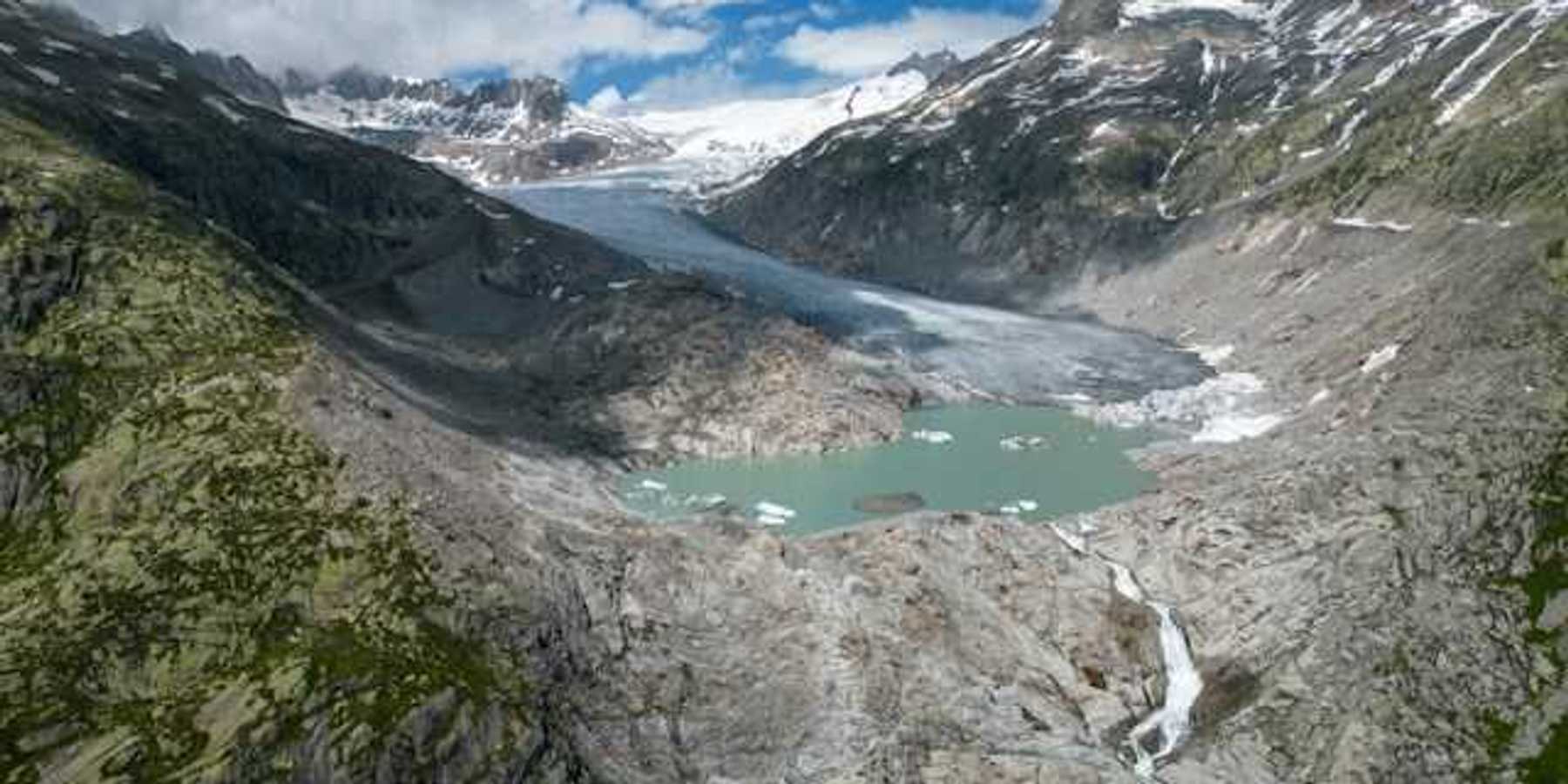
In a stark warning, the head of the United Nations, António Guterres, expressed deep concerns about the intensifying effects of climate change, likening it to the "gates of hell." He called on major greenhouse gas-emitting nations to take more substantial actions to reduce heat-trapping gases. Leaders of these nations, including China, the United States and India, did not participate in the so-called climate ambition summit, leaving Guterres pleading for action. Despite commitments to limit warming to 1.5 degrees Celsius, the world is on a path toward a dangerous 2.8-degree Celsius increase, highlighting the urgent need for collective efforts to combat climate change.

Key quote:

Guterres called on “major emitters — who have benefitted most from fossil fuels — to make extra efforts to cut emissions, and on wealthy countries to support emerging economies to do so.”

The big picture:

The lack of action on climate change, particularly by the world's major emitters, poses severe health and environmental risks. Rising global temperatures can lead to extreme weather events such as hurricanes, floods and wildfires, causing extensive damage to ecosystems and human communities. Prolonged exposure to heatwaves and air pollution resulting from unabated carbon emissions can have dire health consequences, including heat-related illnesses and respiratory problems. The resulting disruptions in agriculture and food supply chains exacerbates food insecurity, affecting the well-being of vulnerable populations. Addressing climate change is not just an environmental imperative; it's a critical public health and humanitarian concern.

Read the article in the Associated Press.

Whatever long game the Biden administration hopes to play, the planet is telling us that we are going into the fourth quarter with no promise of overtime, wrote Derrick Z. Jackson for EHN in 2021. Have we made progress since then?

Many solar panels arranged in a circular pattern viewed from above

Solar power in Morocco's desert: Bold vision, mixed results

A massive solar tower in the Moroccan desert is the beacon of an ambitious push for a clean energy future. But fossil fuels and grid constraints stand in the way.
Two farmers crouching in a field reviewing the soil

Farmers struggle to rebuild soil after Hurricane Helene’s devastating floods

After Hurricane Helene washed away or buried vital topsoil across the Southeast, farmers are facing years-long efforts to restore the foundation of their livelihoods.

A row of solar panels in the snow with the setting sun in the background

‘A ray of hope’: EU governments gathering to plan way out of fossil fuel reliance

Energy crises could be a thing of the past if reliable, cheap and abundant clean energy is given precedence over fossil fuels.
A farmer walking through his fields on a sunny day

Farmers sue US EPA over dismantling of climate policy

New York farmers say the Environmental Protection Agency’s rollback of greenhouse gas regulations will make it harder for them to grow food.

An ethanol plant with green fields in the foreground

Iowa moves to shield farmers, ethanol plants, from lawsuits over emissions

Climate lawsuits are a largely nonexistent threat to farmers in the state of Iowa, but ethanol producers could benefit from the law.

A woman holding a protest sign saying 'There is no planet B'

Is it time for planetary health to become a core clinical responsibility?

As climate change and environmental degradation increasingly drive illness, clinicians are being urged to treat planetary health as inseparable from patient care.

A person holding a pile of organic soil in his hands

Deep soils could hold keys to climate resilience

A new research center is investigating how ancient soils could help farmers adapt to climate change and a warmer future.
From our Newsroom
Multiple Houston-area oil and gas facilities that have violated pollution laws are seeking permit renewals

Multiple Houston-area oil and gas facilities that have violated pollution laws are seeking permit renewals

One facility has emitted cancer-causing chemicals into waterways at levels up to 520% higher than legal limits.

Regulators are underestimating health impacts from air pollution: Study

Regulators are underestimating health impacts from air pollution: Study

"The reality is, we are not exposed to one chemical at a time.”

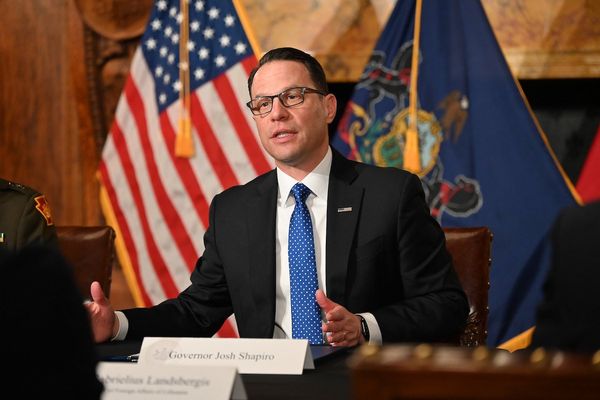
Pennsylvania governor Josh Shapiro speaks with the state flag and American flag behind him.

Two years into his term, has Gov. Shapiro kept his promises to regulate Pennsylvania’s fracking industry?

A new report assesses the administration’s progress and makes new recommendations

silhouette of people holding hands by a lake at sunset

An open letter from EPA staff to the American public

“We cannot stand by and allow this to happen. We need to hold this administration accountable.”

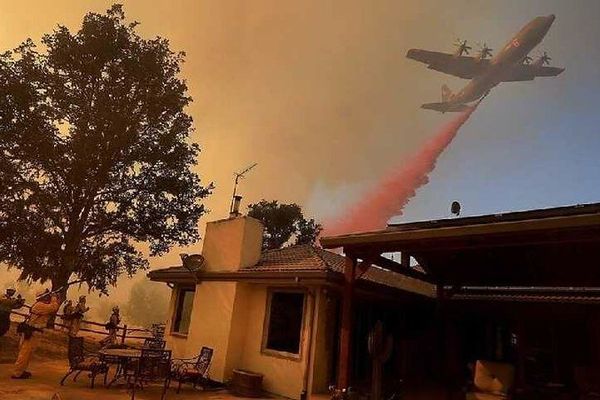
wildfire retardants being sprayed by plane

New evidence links heavy metal pollution with wildfire retardants

“The chemical black box” that blankets wildfire-impacted areas is increasingly under scrutiny.

Stay informed: sign up for The Daily Climate newsletter
Top news on climate impacts, solutions, politics, drivers. Delivered to your inbox week days.