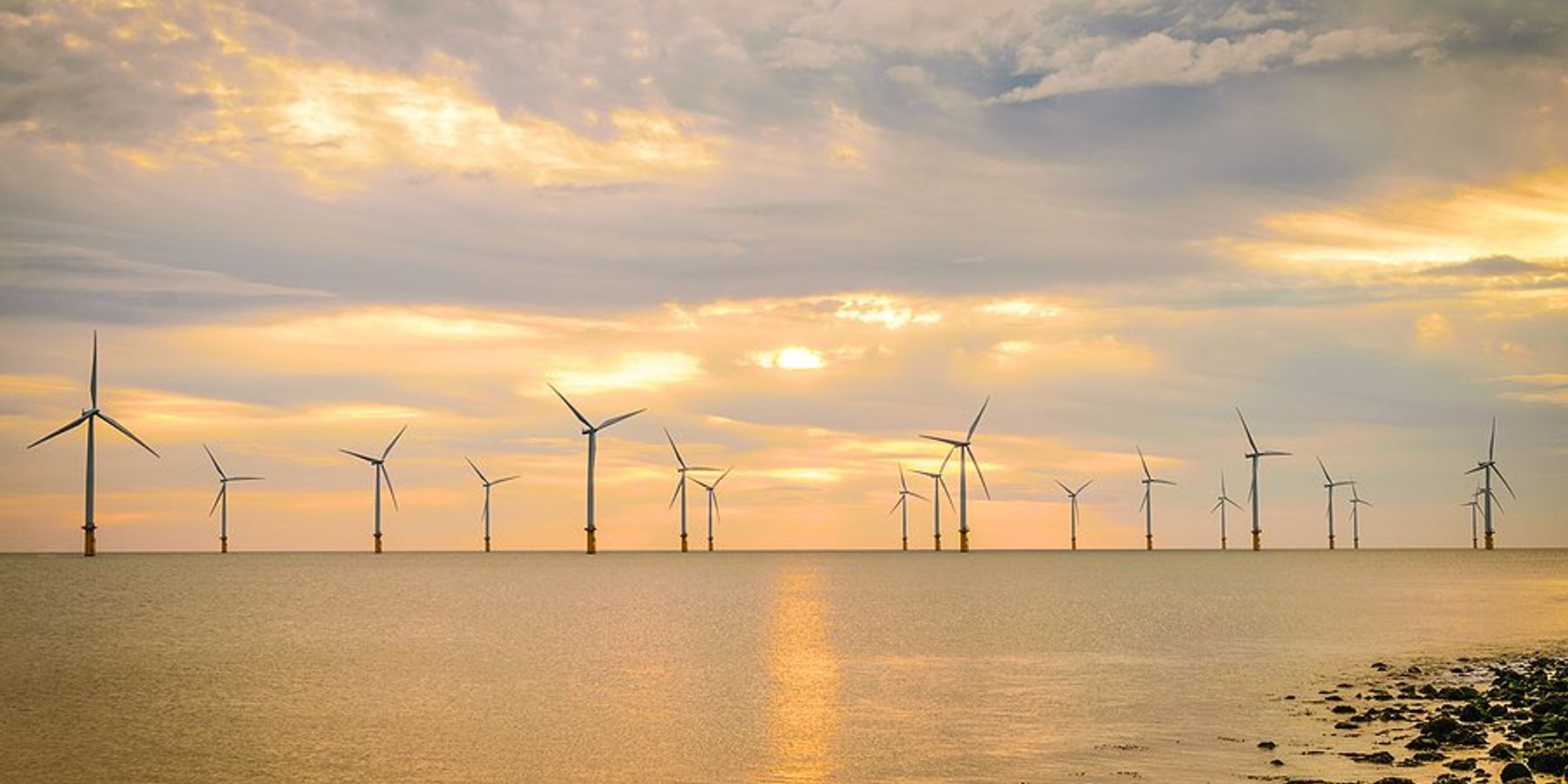
An offshore wind farm viewed from the shore during sunset.

Trump administration blocks key offshore wind projects, citing vague national security concerns

The Trump administration has abruptly halted multiple offshore wind projects, including the nearly completed $6.2 billion Revolution Wind farm, citing unspecified national security concerns and throwing the industry into turmoil.

Brad Plumer and Lisa Friedman report for The New York Times.


In short:

  • The Interior Department has stopped construction on several offshore wind projects, including ones in Rhode Island, New York, and Idaho, despite full federal approvals, financing, and progress toward completion.
  • Officials have not provided clear explanations, instead referencing broad “national security” concerns, prompting legal and political backlash from state leaders and energy developers.
  • The delays jeopardize thousands of jobs, billions in clean energy investment, and grid reliability in the Northeast, while analysts warn of long-term damage to investor confidence.

Key quote:

“This action is a flashing red light for capital investment in clean energy projects. If you’ve gotten all your permits and spent billions of dollars, and even then they can pull the plug, well, who is going to want to put their money up?”

— Michael Gerrard, director of the Sabin Center for Climate Change Law at Columbia University

Why this matters:

Offshore wind is a cornerstone of U.S. clean energy goals, designed to cut emissions, stabilize power grids, and reduce dependence on fossil fuels. Projects like Revolution Wind promise to deliver electricity to hundreds of thousands of homes while supporting domestic manufacturing and union jobs. But the Trump administration’s sudden and unexplained reversals send a chilling message to developers and investors: Even fully permitted projects are not safe from political disruption.

Read more: Trump scraps federal roadmap for offshore wind expansion

Chest-down person in white protective suit and rubber boots carrying metal case, walking a shoreline.
Credit: Getty Images For Unsplash+

From invasive species tracking to water security – what’s lost with federal funding cuts at US Climate Adaptation Science Centers

The people who manage America’s aquifers, wetlands, shorelines and recreation areas rely on federal science as they face new and rising risks in a changing climate.
offshore drilling platform
Photo by Zach Theo on Unsplash

Interior skips NEPA analysis for offshore drilling expansion

All prior five-year drilling plans — dating back to 1980 — reference National Environmental Policy Act analyses.
Workers loading scrap metal onto a truck.

How extreme heat is driving kidney failure in migrant workers

Millions of migrants toil in grueling conditions in the Middle East, where brutal heat contributes to an alarming increase in kidney failure.
solar panel, wind turbines, and nuclear power plant
Credit: jaroslavav/BigStock Photo ID: 83377346

Members of America’s largest power grid can’t agree on how to power data centers

With no consensus among stakeholders, PJM Interconnection’s 10-member board now must craft a policy for surging data-center demand that has already driven up electricity prices for millions.
Large solar field stretching to horizon

Africa's solar power revolution driven by China's investment

Chinese solar equipment has been flooding African markets, partly as a ripple effect of the US-China trade war. It's one of several factors helping the continent gain traction with electrification.
Depiction of Planet Earth half-engulfed by raging inferno.
Credit: Javier Miranda/Unsplash

Opinion: To defeat the global Goliaths devastating our planet, we must raise an army of Davids

As Australians face a maelstrom of interconnected disasters, the climate catastrophe has become just one of many things to doomscroll about
Sunset over the Cromarty Firth and North Sea oil platforms
Credit: Photo by Ben Wicks on Unsplash

EU's first full-scale offshore carbon storage facility eyes 2026 start

INEOS plans to transform the Nini oil field in the North Sea into a carbon storage site. The company aims to inject liquefied CO2 into depleted oil reservoirs beneath the seabed.
From our Newsroom
Multiple Houston-area oil and gas facilities that have violated pollution laws are seeking permit renewals

Multiple Houston-area oil and gas facilities that have violated pollution laws are seeking permit renewals

One facility has emitted cancer-causing chemicals into waterways at levels up to 520% higher than legal limits.

Regulators are underestimating health impacts from air pollution: Study

Regulators are underestimating health impacts from air pollution: Study

"The reality is, we are not exposed to one chemical at a time.”

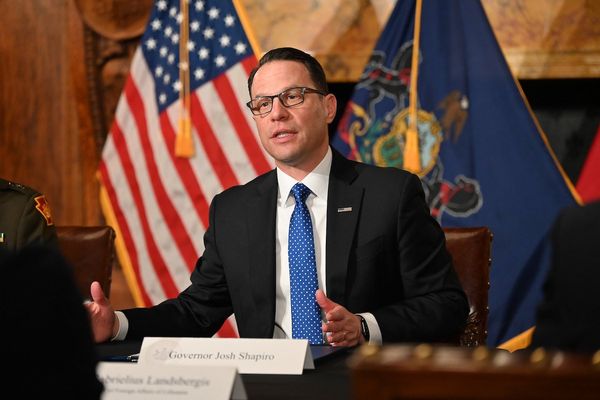
Pennsylvania governor Josh Shapiro speaks with the state flag and American flag behind him.

Two years into his term, has Gov. Shapiro kept his promises to regulate Pennsylvania’s fracking industry?

A new report assesses the administration’s progress and makes new recommendations

silhouette of people holding hands by a lake at sunset

An open letter from EPA staff to the American public

“We cannot stand by and allow this to happen. We need to hold this administration accountable.”

wildfire retardants being sprayed by plane

New evidence links heavy metal pollution with wildfire retardants

“The chemical black box” that blankets wildfire-impacted areas is increasingly under scrutiny.

Stay informed: sign up for The Daily Climate newsletter
Top news on climate impacts, solutions, politics, drivers. Delivered to your inbox week days.