Three companies set new goals to address their environmental impact

Three global firms, GSK, Holcim, and Kering, are the first to adopt science-based targets for nature, aiming to curb water use and protect biodiversity.

Oliver Balch reports for Ethical Corporation Magazine, a part of Thomson Reuters.


In short:

  • GSK is partnering on water stewardship projects in India and plans to reduce water use by 20% by 2030.
  • Holcim targets a 39% reduction in freshwater withdrawals in Mexico and is addressing supplier traceability challenges.
  • Kering will cut water use by 21% and its land footprint by 3% by 2030, focusing on Tuscany’s leather tanning region.

Key quote:

“We need the comparability and measurability (of more brands joining the fray) in order to know that companies are doing enough to fulfil their part.”

— Erin Billman, executive director of Science Based Targets Network

Why this matters:

Corporate commitments to science-based targets for nature help companies learn about how to reduce their environmental footprint and thereby tackle biodiversity loss and water stress. Addressing these issues helps ensure sustainable supply chains and mitigate future environmental crises, but many companies remain reticent about participating.

Relevant EHN coverage: LISTEN: Revisiting our conversation with Jennifer Roberts discussing nature as medicine


brown round fruit in white ceramic bowl

Rising salinity and heat push Basra to grow date palms in the lab

As extreme heat and saltwater intrusion devastate traditional orchards in southern Iraq, scientists in Basra are turning to tissue-culture labs to revive date palm production and save endangered local varieties.

a large government building with a clock tower on top of it
Credit: Arnold/Unsplash

26 groups call for bold climate action in Manitoba

The groups call on Manitoba to scale up climate action, including investment in energy efficiency initiatives, transit and conservation.

A tin hut with a small solar panel on the roof

Solar energy gains ground across Africa, but challenges persist

Solar power is expanding rapidly across Africa, with some countries now generating a significant share of electricity from the sun, but energy poverty, battery risks and rising costs threaten future growth.
A person holding a small model of a house in their hand

Amid climate crisis, insurers’ increased use of AI raises concern for policyholders

States and consumers accuse insurance giants of using technology to slow payouts and drop homeowners.
A glacier looming over a body of water

The ‘doomsday glacier’ could flood the Earth. Can a 50-mile wall stop it?

Scientists have long opposed polar geoengineering. Some now believe it will be necessary.
Clock approaching midnight superimposed over a world map
Credit: chughes/ BigStock Photo ID: 20162111

'Doomsday Clock' advances to 85 seconds till midnight

A science-oriented advocacy group moved its “Doomsday Clock” to 85 seconds to midnight, saying the Earth is closer than ever to destruction.
A bobblehead of President Donald Trump on the floor of the Arizona House of Representatives
Credit: Gage Skidmore/ https://www.flickr.com/photos/gageskidmore/5427075... https://creativecommons.org/licenses/by-sa/2.0/

US withdrawal from Paris Agreement comes into effect

Major emitter the US has officially left the Paris Agreement and global emissions keep rising a decade on from the deal. Yet renewables' growth shows climate action can work. Here's what's been done and what's missing.
From our Newsroom
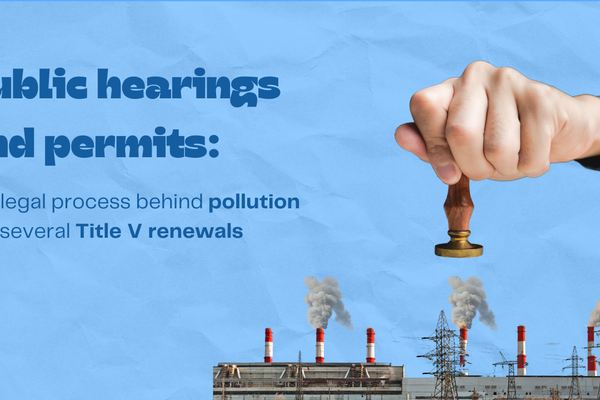
Multiple Houston-area oil and gas facilities that have violated pollution laws are seeking permit renewals

Multiple Houston-area oil and gas facilities that have violated pollution laws are seeking permit renewals

One facility has emitted cancer-causing chemicals into waterways at levels up to 520% higher than legal limits.

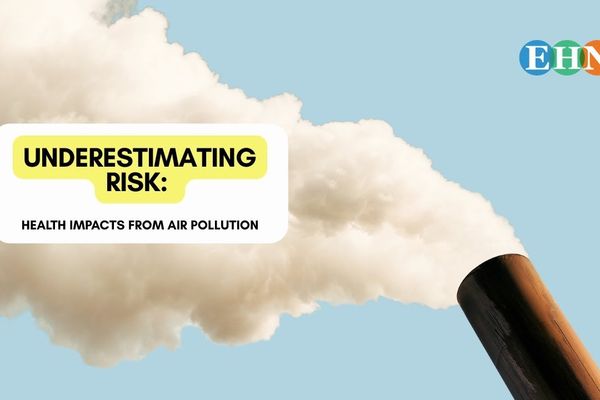
Regulators are underestimating health impacts from air pollution: Study

Regulators are underestimating health impacts from air pollution: Study

"The reality is, we are not exposed to one chemical at a time.”

Pennsylvania governor Josh Shapiro speaks with the state flag and American flag behind him.

Two years into his term, has Gov. Shapiro kept his promises to regulate Pennsylvania’s fracking industry?

A new report assesses the administration’s progress and makes new recommendations

silhouette of people holding hands by a lake at sunset

An open letter from EPA staff to the American public

“We cannot stand by and allow this to happen. We need to hold this administration accountable.”

wildfire retardants being sprayed by plane

New evidence links heavy metal pollution with wildfire retardants

“The chemical black box” that blankets wildfire-impacted areas is increasingly under scrutiny.

Stay informed: sign up for The Daily Climate newsletter
Top news on climate impacts, solutions, politics, drivers. Delivered to your inbox week days.