
wildlife

Newsletter
Credit: vladsilver/Big Stock Photo
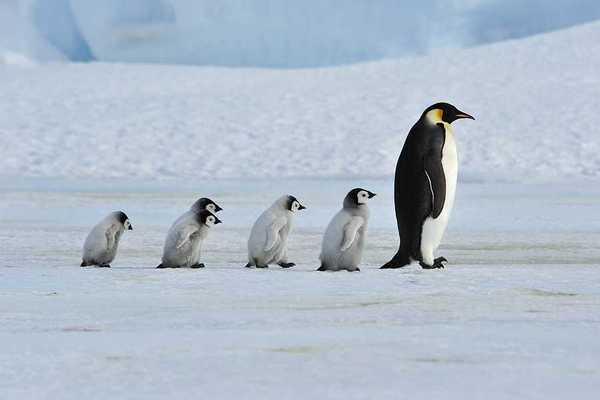
Emperor penguin chicks drown as melting sea ice pushes species toward extinction
Record low Antarctic sea ice is causing mass chick deaths and accelerating the decline of emperor penguins, now officially listed as endangered.
Newsletter
Credit: Ales Krivec/Unsplash+
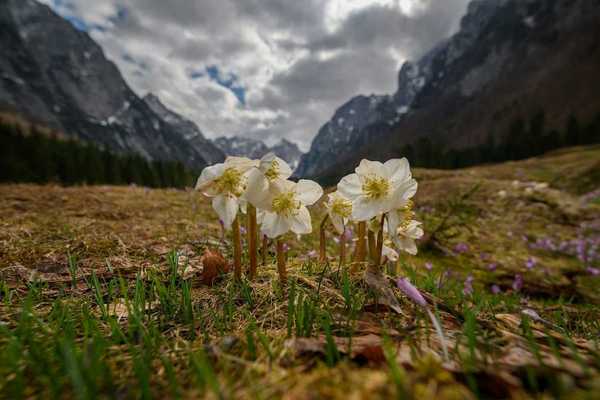
Rise of the shrubs: What happened when scientists heated a Rocky Mountain wildlife meadow by 2C?
A long-running experiment in Colorado provides an ‘alarming’ view of how rapidly unchecked global heating could transform fragile ecosystems.
Credit: rbouwman/BigStock Photo ID:1642028
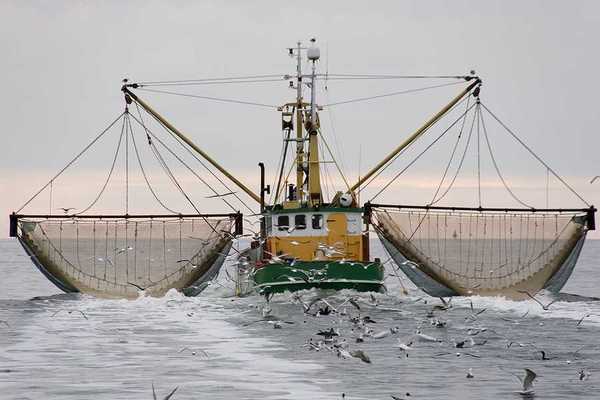
‘It smells like a rancid fish and chip shop’: at sea with the Antarctic’s krill supertrawlers
The fishery is regulated but experts say it is wrecking the food chain. Gordon Peake joined a Sea Shepherd mission to observe the giant ships compete for catch.
Credit: Edgar Bullon/BigStock Photo ID: 343343230
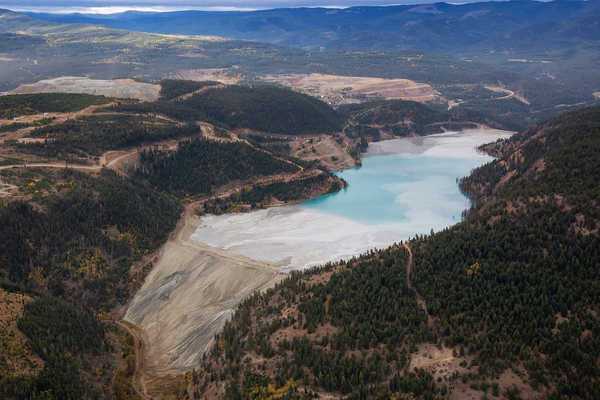
Mining’s toxic timebomb: dams full of poisonous waste are dotted around the world. What happens when they burst?
While tailings dams are meant to last for ever, extreme weather events are making many unstable – with devastating consequences for nature and humans
Newsletter
Credit: Eli Shafer/BigStock Photo ID: 763247
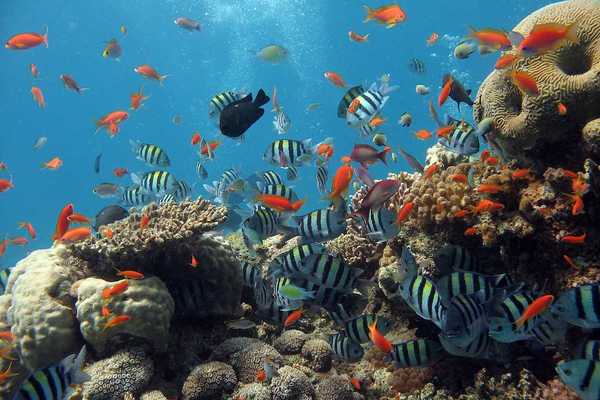
Chronic ocean heating fuels ‘staggering’ loss of marine life, study finds
Fish levels fall by 7.2% with as little as 0.1C of warming per decade, northern hemisphere research shows.
Credit: izmeda/ BigStock Photo ID: 349738711
Opinion: The UK government didn’t want you to see this report on ecosystem collapse. I’m not surprised
It took an FOI request to bring this national security assessment to light. For ‘doomsayers’ like us, it is the ultimate vindication, says Guardian columnist George Monbiot.
Newsletter
Namibia to slaughter elephants and zebras due to drought
Namibia plans to cull more than 700 animals, including elephants and hippos, to provide meat for people facing severe food insecurity during the country’s worst drought in a century.
In short:
- Namibia will cull 83 elephants, 30 hippos and other animals, distributing the meat to drought-stricken communities.
- The drought, caused by El Niño, has left nearly half of Namibia’s population facing acute food insecurity.
- The cull also aims to reduce human-wildlife conflict and alleviate pressure on natural resources.
Key quote:
“We are happy that we can assist the country in this very difficult time and when [it’s] absolutely needed.”
— Namibia's Ministry of Environment, Forestry and Tourism
Why this matters:
The drought in Namibia is a stark example of how climate change exacerbates natural disasters, leading to extreme measures like wildlife culls to prevent human starvation and manage ecosystems.
Learn more:
Keep reading...Show less
ORIGINAL REPORTING

MOST POPULAR

CLIMATE