
coal


Newsletter

Credit: Dilok/BigStock Photo ID: 305909299
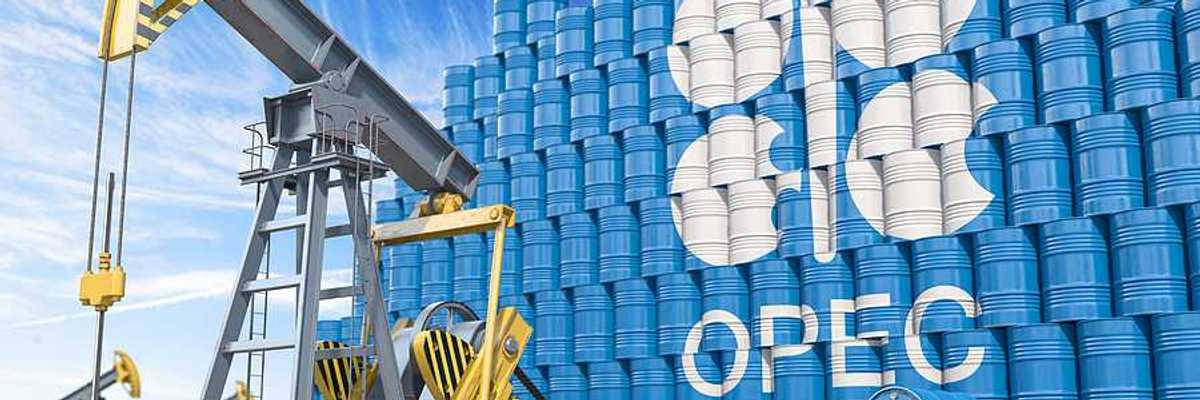
As Iran war exposes global dependence on fossil fuels, the biggest emitters are reaping the rewards
Worst polluters hold world’s future in their hands as they benefit from higher fossil fuel prices, but global trends favor renewables.
Newsletter
Credit: angel_nt/Big Stock Photo
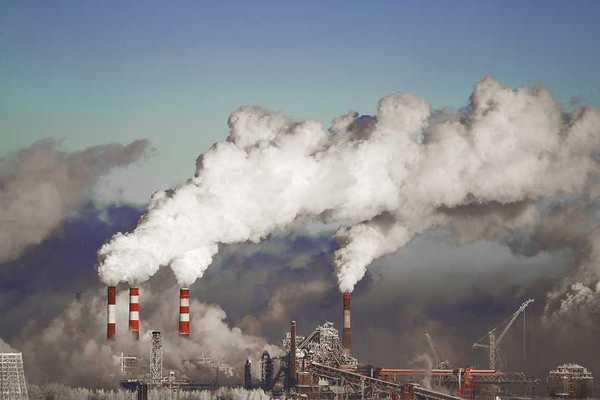
Trump administration keeping power plants open in effort to befriend coal industry
President Trump signed an executive order last week, requiring military installations to purchase electricity from coal-fired power plants – some of which were slated to be retired.
Top Story

Credit: Hartono Creative Studio/ Unsplash+
Battery demand 'straps on a rocket' in Australia as rooftop solar passes its peak
Even as Australia appears to have passed the peak of solar uptake, demand for batteries is seemingly headed into orbit.
Newsletter
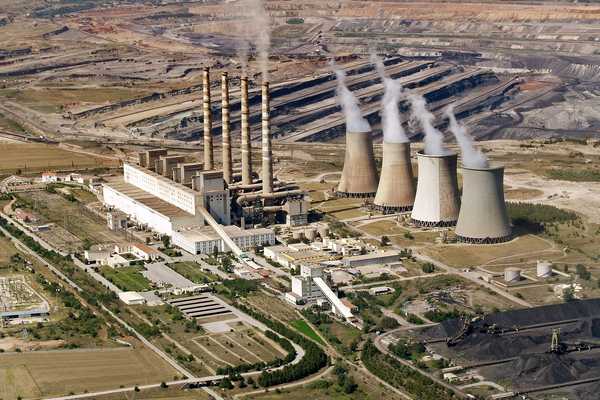
Credit: airphoto.gr/BigStock Photo ID: 4550715
‘It’s sick’: Trump administration uses mascot called ‘Coalie’ to push dirtiest fossil fuel
Cartoon lump of coal with giant eyes was spotlighted by US interior secretary in X post saying: ‘Mine, Baby, Mine!’
Newsletter
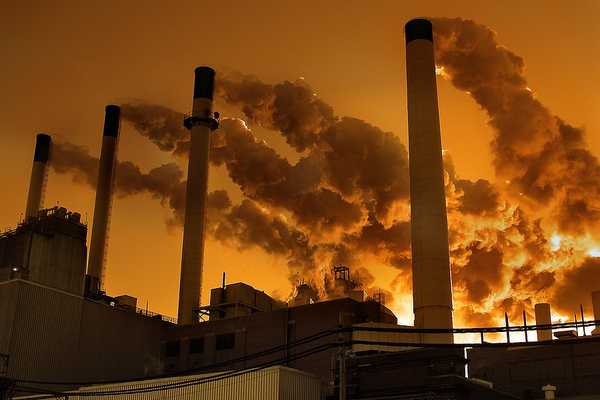
Credit: Faux Toe/Big Stock Photo
Half of world’s CO2 emissions come from just 32 fossil fuel firms, study shows
Critics accuse leading firms of sabotaging climate action but say data increasingly being used to hold them to account.
Ohio town bought and bulldozed by coal plant remains a desolate ghost town
Cheshire, Ohio, was wiped off the map in 2002 after a coal plant bought the entire town to relocate residents amid toxic pollution, and today, its empty streets remain overshadowed by the looming plant.
In short:
- The Gavin coal plant, now owned by Blackstone, displaced the entire town of Cheshire, Ohio, due to severe pollution, leaving it a ghost town.
- Gavin remains one of the largest emitters of carbon dioxide in the U.S., and its political ties to Trump raise questions about future environmental regulations.
- Residents recall the traumatic experience of being forced to leave their homes due to toxic emissions from the plant, which continues to operate.
Key quote:
“There is a trend of private equity walking away from polluting assets without being liable for the environmental cleanup. They want to squeeze as much profit as possible while they can from this outdated, dangerous coal plant.”
— Alissa Jean Schafer, climate director of the Private Equity Stakeholder Project.
Why this matters:
Gavin remains a major source of pollution, contributing to climate change and local environmental harm. This case raises concerns about private equity ownership of coal plants and the political influence protecting outdated energy sources over public health.
Related:
Keep reading...Show less
Newsletter
China reduces coal plant approvals after a recent surge
China significantly reduced approvals for new coal-fired power plants in the first half of 2024 following a surge in previous years that raised concerns about its climate commitments.
In short:
- Greenpeace East Asia found that only 14 new coal plants were approved in China in early 2024, down 80% from the same period last year.
- China’s coal dependence persists, despite leading in solar and wind power, to manage peak electricity demand.
- Recent government initiatives focus on integrating renewable energy into the grid and retrofitting coal plants with low-carbon technologies.
Key quote:
“We may now be seeing a turning point.”
— Gao Yuhe, project lead for Greenpeace East Asia
Why this matters:
China's reduced coal plant approvals signal a potential shift in its energy strategy, but its continued reliance on coal complicates global efforts to combat climate change.
Read more: Coal plants grow despite global push for cleaner energy
Keep reading...Show less
ORIGINAL REPORTING



MOST POPULAR
CLIMATE