Supreme Court allows Biden's EPA to limit emissions, but the fight isn’t over

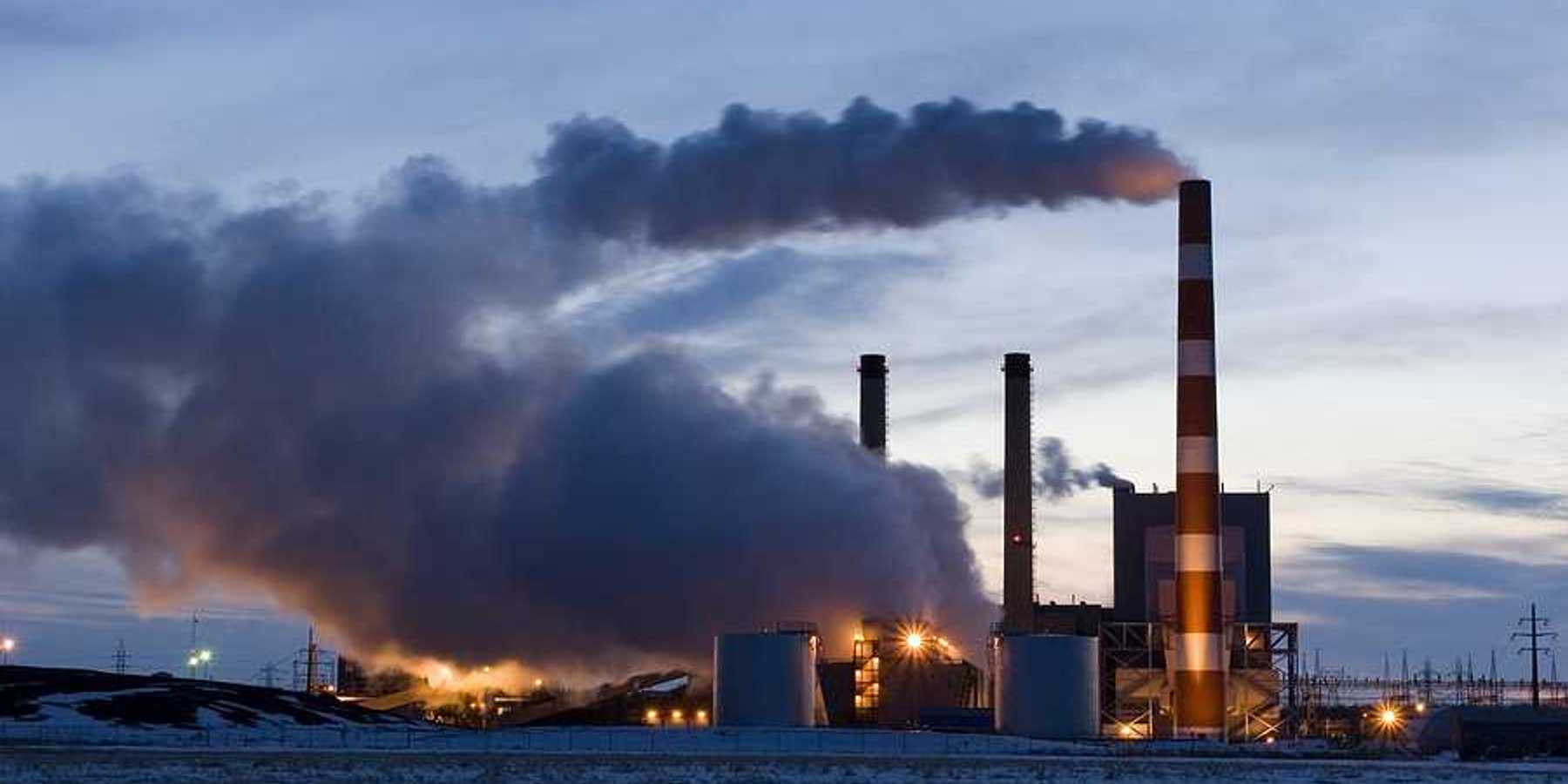
The Supreme Court has provisionally allowed the Biden administration's Environmental Protection Agency to enforce limits on carbon emissions from power plants, despite ongoing legal challenges from Republican-led states.

Abbie VanSickle reports for The New York Times.


In short:

  • The Supreme Court's temporary ruling permits the EPA to push forward with emission limits while the case proceeds in lower courts.
  • The EPA aims to reduce pollution from coal-fired power plants by 90% by 2032, a move aligned with Biden’s climate goals.
  • Republican-led states argue the rule oversteps federal authority and could harm the coal industry.

Key quote:

“People across America are suffering through intensifying storms and other disasters because of climate change.”

— Vickie Patton, general counsel, Environmental Defense Fund

Why this matters:

The Supreme Court’s decision to let the EPA temporarily enforce power plant emission limits is a small but tenuous win for the Biden administration in the uphill battle for climate action. The case still faces scrutiny in lower courts and opposition. Read more: Reflections on the Supreme Court’s Decision in West Virginia v. EPA.

A view of rows of rice plants in a field

‘Thrilling’: Dutch cattle farmers switch to rice as solution to warmer climate and sinking peatlands

Dutch cattle farming dries out peatland and releases CO2. Is switching to Japanese rice-growing a solution?
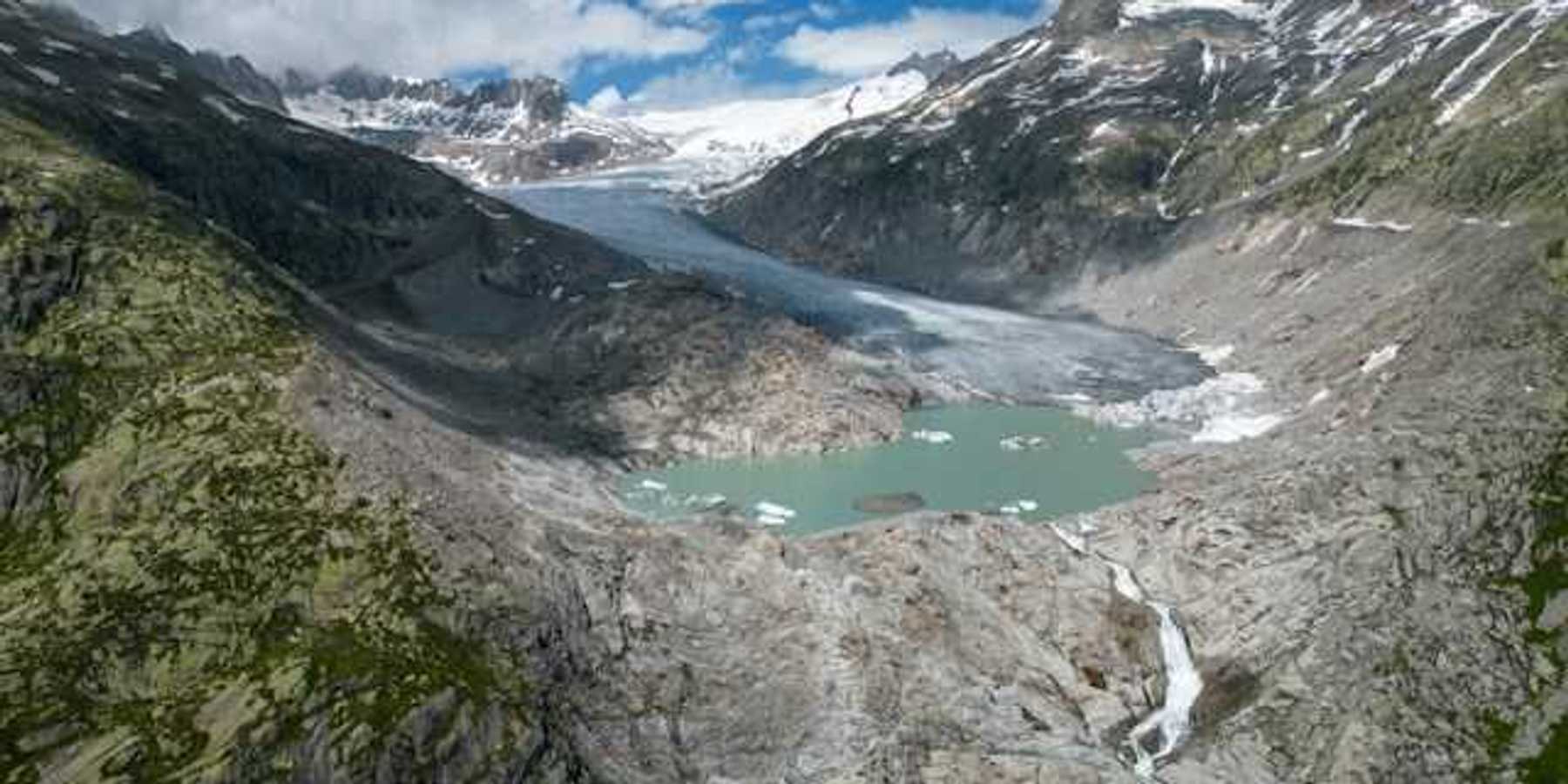
A view of a glacier retreating from a rocky landscape

‘Explosion of melt rates’: 20% of Swiss glaciers lost in five years

Switzerland has lost almost one-fifth of its ice in just five years, research has found, in a dramatic reshaping of the Alpine country whose big white glaciers have been reduced to moonlike rock deserts, scientists say.

A man wearing a red shirt that appears to be wet

Clothes that cool you, warm you — and make power as you move

In a bid to cool people, not rooms, engineers made a printable fabric that turns body motion into electrical signals that switch on cooling and heating when you need it.
A view looking up at the facade of the Supreme Court building

The surprising allies backing Boulder's climate case before the Supreme Court

Ranchers, conservative legal scholars, and former Republican EPA chiefs are siding against oil companies. Here's why.
A power plant with smoke emitting from the smokestacks

Montana officials praise repeal of power plant emission regulations, watchdog groups pan decision

The Environmental Protection Agency is rolling back greenhouse gas emission requirements for U.S. power plants, which the agency said will save $310 billion, in a press release earlier this month. 
A group of people on a pier standing next to a body of water with small boats

Vietnam's largest city lives with floods as climate change raises the stakes

Ho Chi Minh City has learned to live with flooding as high tides from the Saigon River and smaller waterways regularly inundate roads and businesses.
Layered blue mountain ridges

Climate change’s compounding pressures on rural North Carolina

Areas like Robeson County face some of the greatest climate risks, but have fewer resources to cope with extreme heat and flooding.
From our Newsroom
Multiple Houston-area oil and gas facilities that have violated pollution laws are seeking permit renewals

Multiple Houston-area oil and gas facilities that have violated pollution laws are seeking permit renewals

One facility has emitted cancer-causing chemicals into waterways at levels up to 520% higher than legal limits.

Regulators are underestimating health impacts from air pollution: Study

Regulators are underestimating health impacts from air pollution: Study

"The reality is, we are not exposed to one chemical at a time.”

Pennsylvania governor Josh Shapiro speaks with the state flag and American flag behind him.

Two years into his term, has Gov. Shapiro kept his promises to regulate Pennsylvania’s fracking industry?

A new report assesses the administration’s progress and makes new recommendations

silhouette of people holding hands by a lake at sunset

An open letter from EPA staff to the American public

“We cannot stand by and allow this to happen. We need to hold this administration accountable.”

wildfire retardants being sprayed by plane

New evidence links heavy metal pollution with wildfire retardants

“The chemical black box” that blankets wildfire-impacted areas is increasingly under scrutiny.

Stay informed: sign up for The Daily Climate newsletter
Top news on climate impacts, solutions, politics, drivers. Delivered to your inbox week days.