Power struggles in Bolivia as gas drilling threatens national parks

In the heart of Bolivia, the Tariquía reserve faces upheaval as the government pursues gas reserves, igniting conflict and economic uncertainty.

Thomas Graham reports for The Guardian.


In short:

  • Bolivia’s government, seeking to sustain its fossil fuel-based development, is targeting protected areas like Tariquía for gas exploration.
  • Gas production decline, coupled with economic challenges, prompted the government to pursue new reserves despite community resistance.
  • Opposition from local communities highlights tensions over consultation, environmental impact, and promises of development.

Key quote:

“[Exploitation of] Tariquía was inevitable with the continuation of that [extractivist] model. Protected areas are the new extractive frontier.”

— Dr Penelope Anthias, Durham University geographer who has worked in the reserve

Why this matters:

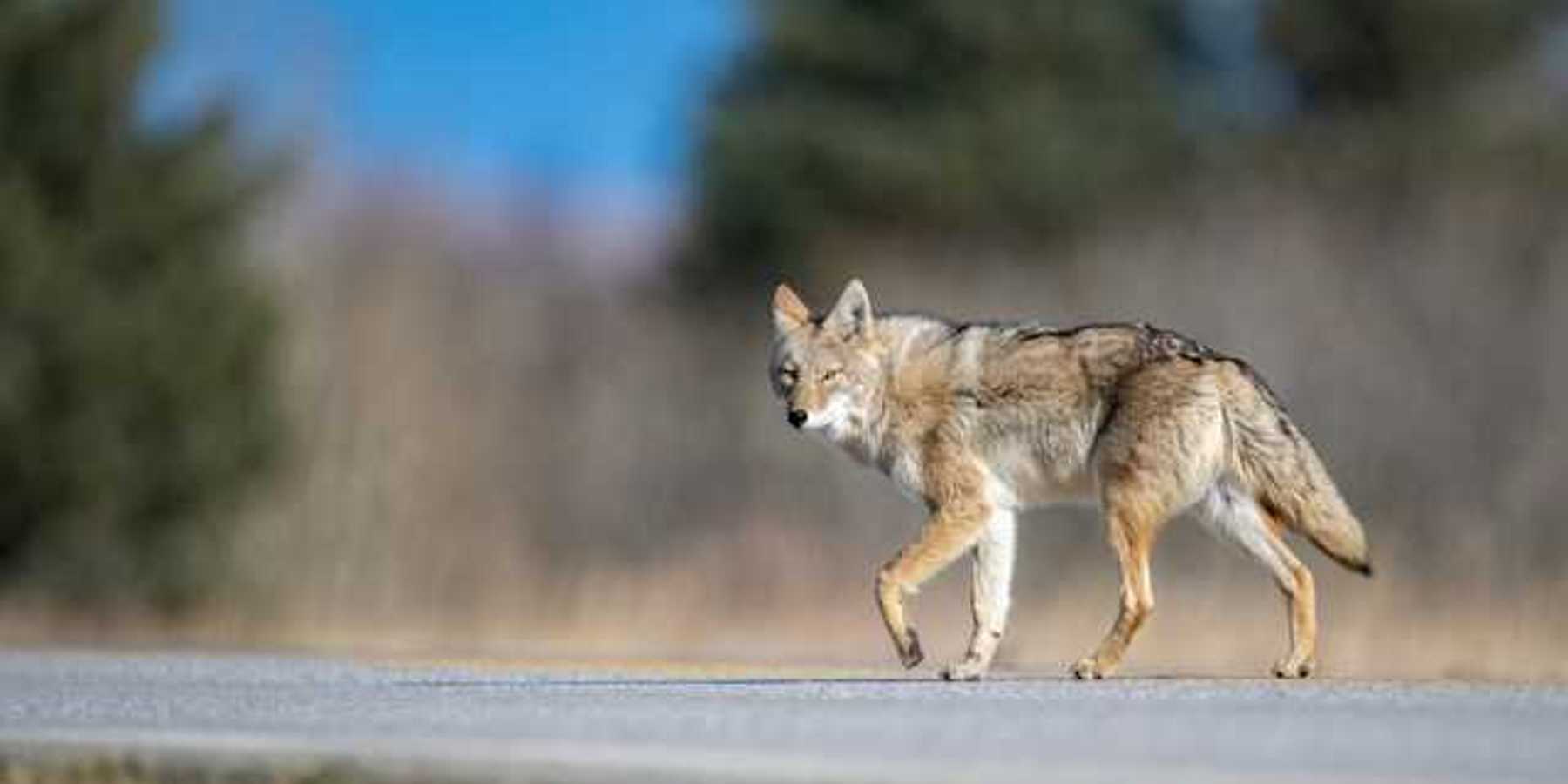
National parks in Bolivia, like Madidi National Park and Tariquia Flora and Fauna National Reserve, are vital havens for diverse ecosystems, rare species, and Indigenous cultures, but the expansion of gas drilling activities near these protected areas poses significant risks.

For example, the process of gas drilling involves extensive infrastructure development, including roads, pipelines, and drilling rigs, which can fragment habitats, disrupt wildlife corridors, and introduce pollutants into sensitive ecosystems.

Closer to home, a 2019 study showed that more than 80 percent of waste from Pennsylvania’s oil and gas drilling stays in the state.
a group of people walking down a tree lined path in a park

Urban greenery is making some cities hotter, study finds

As urban planners look to expand green spaces to help cool cities, a new study finds that, in arid regions, grassy areas can actually have a warming effect.

raw meat in clear plastic packs

The carbon cost of your burger: How much would a meat tax cost the average EU household?

Scientists have put forward the “first step” in tackling meat-related emissions without sending food prices skyrocketing.
a couple of wooden scoops filled with coffee beans

The knowledge to save coffee already exists, now it’s in one e-library

Roughly half the world’s arabica coffee-growing regions will become unsuitable for cultivation of the crop by 2050 due to the effects of climate change.

The interior of the New Mexico capitol building

Six years on, New Mexico still hasn’t codified governor’s climate goals

As the legislative session opens, lawmakers again will weigh a pledge to reduce emissions. Last year, two Democrats joined the GOP to sink it.
A ferry unloading trucks on the edge of a river in Bangladesh

Volunteers are battling climate-fuelled diseases in Bangladesh

As mosquitoes spread dengue and chikungunya, Bangladesh’s cleanup crews are taking public health into their own hands.
September 2008 New York NY; New York Stock Exchange with Wall street sign in front
Photo Credit: Copyright: idrutu/ BigStock Photo ID: 4674983

How Wall Street turned its back on climate change

Six years after the financial industry pledged to use trillions to fight climate change and reshape finance, its efforts have largely collapsed.
Crude oil and petroleum concept. Pump jack, US dollar notes and Venezuela flag background
Photo credit: Copyright: MillaF/ BigStock Photo ID: 361719841

Opinion: The dirty math behind Trump’s thirst for oil

Venezuela became a target. That’s bad for the climate. And for Canada.
From our Newsroom
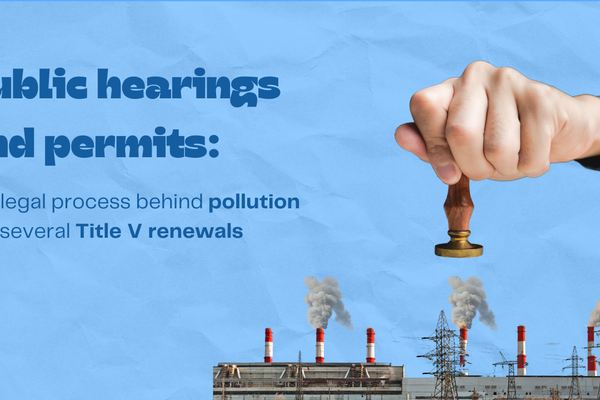
Multiple Houston-area oil and gas facilities that have violated pollution laws are seeking permit renewals

Multiple Houston-area oil and gas facilities that have violated pollution laws are seeking permit renewals

One facility has emitted cancer-causing chemicals into waterways at levels up to 520% higher than legal limits.

Regulators are underestimating health impacts from air pollution: Study

Regulators are underestimating health impacts from air pollution: Study

"The reality is, we are not exposed to one chemical at a time.”

Pennsylvania governor Josh Shapiro speaks with the state flag and American flag behind him.

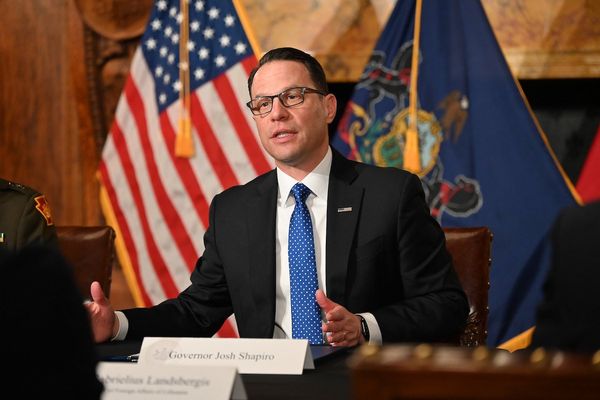
Two years into his term, has Gov. Shapiro kept his promises to regulate Pennsylvania’s fracking industry?

A new report assesses the administration’s progress and makes new recommendations

silhouette of people holding hands by a lake at sunset

An open letter from EPA staff to the American public

“We cannot stand by and allow this to happen. We need to hold this administration accountable.”

wildfire retardants being sprayed by plane

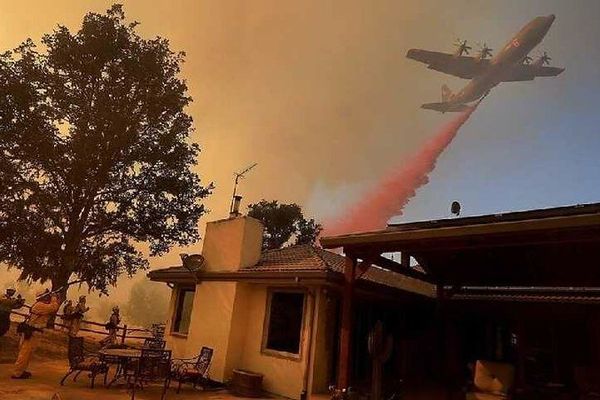
New evidence links heavy metal pollution with wildfire retardants

“The chemical black box” that blankets wildfire-impacted areas is increasingly under scrutiny.

Stay informed: sign up for The Daily Climate newsletter
Top news on climate impacts, solutions, politics, drivers. Delivered to your inbox week days.