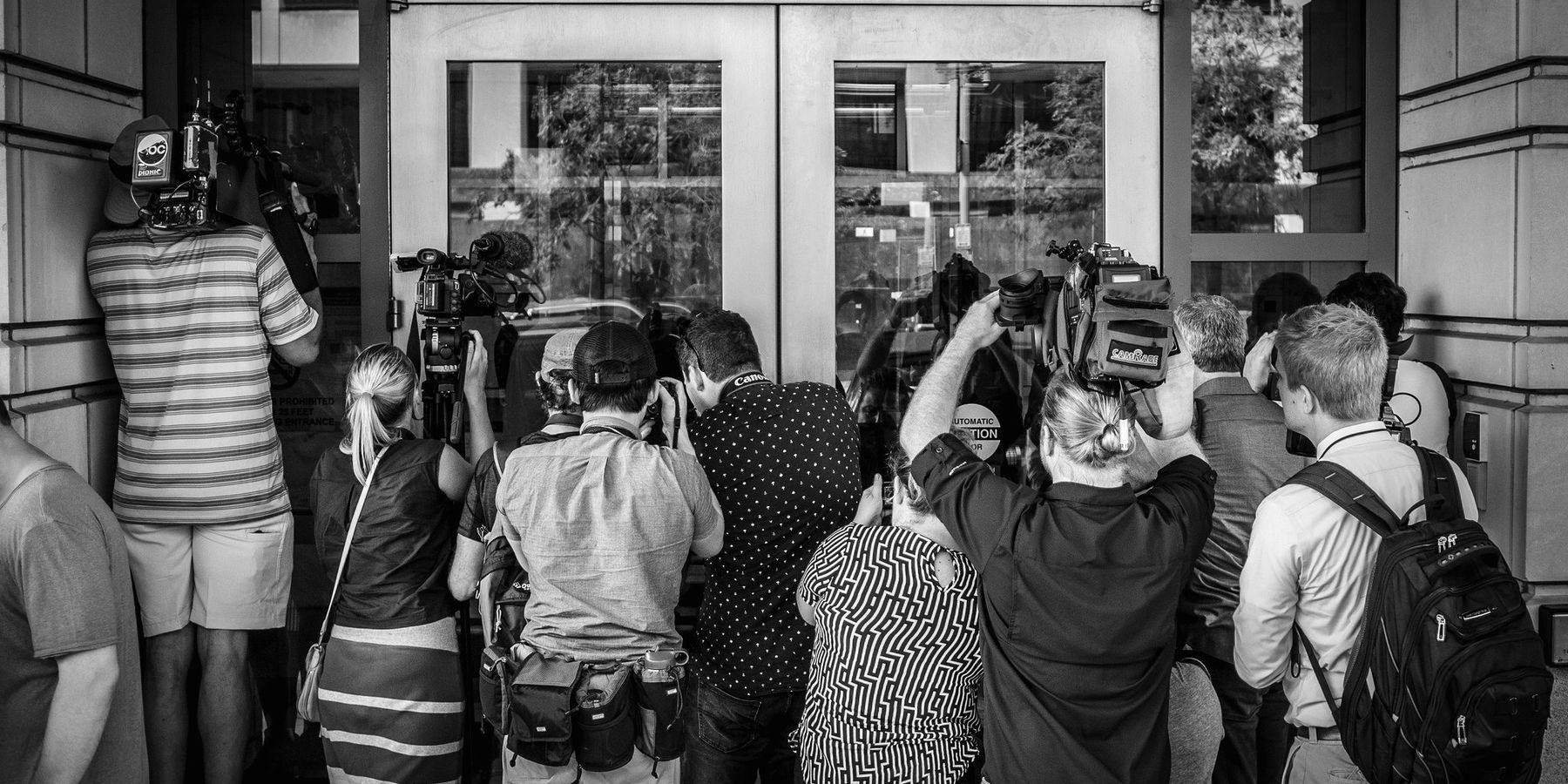
Peter Dykstra: I have breaking news….
Credit: Phil Roeder/flickr

Peter Dykstra: I have breaking news….

Being a journalist in the US is no way to big pay. But elsewhere in the world, it can get you killed.

Sean Hannity speaks to millions daily, including one pliant president, via Fox News and his syndicated radio show. Guesses at his annual income start at about $30 million.


A few years ago, the Bureau of Labor Statistics estimated that fulltime American web and print journalists average just more than $36,000 a year. Broadcast journalists earn a bit higher, and while there's no data, it's safe to say that freelancers average less, and they do so sans benefits.

Which in turn leads us to the possibility that the thousand-plus members of the Society of Environmental Journalists and Sean Hannity pull down about the same amount of scratch.

And since a thousand of us, combined, are Sean's financial equal, it's prompted his jealousy: "My overpaid friends in the media have their chauffeured limousines, they like their fine steakhouses and expensive wine lifestyles," he said during the 2016 campaign.

I laughed so hard at this that my Château Margaux Imperial (2009) shot out of my nose.

Around that same time, Hannity's best-known viewer started calling reporters "enemies of the people" at his campaign rallies. Trump's supporters donned "tree + rope + journalist" t-shirts whose sentiments were unambiguous.

The Trump entourage has followed suit. Interior Secretary Ryan Zinke blamed "dishonest media" for disclosure of the scandals that paved his way to departure.

These may not be the best of times for U.S. journalists: layoffs, censure from the president and a steady stinkeye from his press secretary.

However, away from U.S. shores, the picture is far bleaker, and more violent. A database from the Committee to Protect Journalists tallied 1,334 journalists killed in the line of duty since 1992.
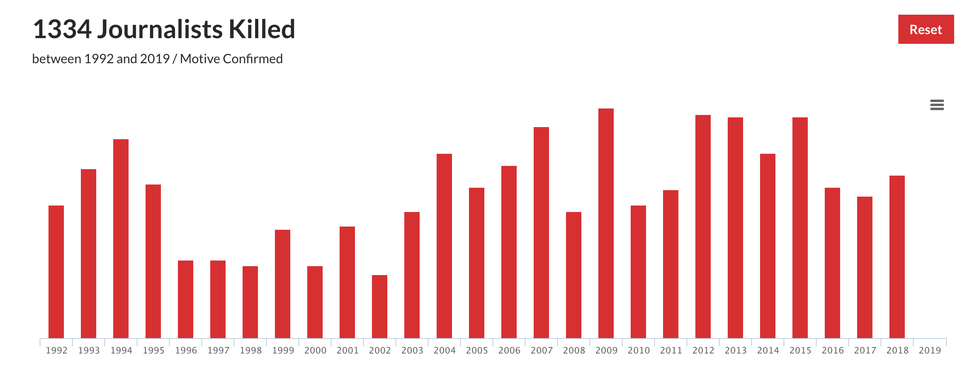
Only 11 of those deaths occurred in the U.S., and the toll only reached double figures due to the June 2018 massacre at Maryland's Capital Gazette.

And I'd venture a guess that the modest $36k salary of an American journalist might be more like a lifetime salary for some in harm's way. The CPJ numbers are not refined enough to specify which of these reporters may have been working with environmentally destructive topics, but illegal mining, logging, drilling and fishing operations are fertile ground for human rights to be abused. Or erased.

There's a lot I could say about heroism among journalists, but it would be about other journalists, since my journalism life has been comparatively easy and risk-free – pundit, opinion whiner, dilettante, Management Weasel. At CNN, I was one of the people who sent reporters and crews out to cover hurricanes. After that, I usually watched them on TV from the comfort of the Home Office.

I find plenty to admire with most U.S. journalists. But the people who risk their lives – and sometimes lose their lives – shining light into dangerous places around the world are in a heroic place of their own.

A square slab of real or vegan meat on a surface surrounded by spices

EU crackdown on ‘meaty’ plant-based labels sparks climate concern

The EU Council’s decision to ban ‘meaty’ labels from plant-based products was announced on the same day it green-lit a bold climate target.
Dead trees in a dry environment

Heat waves that spark damaging droughts are happening more frequently

Heat waves that lead to sudden and damaging drought are spreading across the globe at an accelerating rate, highlighting how climate change-fueled extremes can build dangerously off each other.

A view into a snow-covered forest

Why thinning a forest could get you more drinking water

Scientists have shown how actively managing forests to prevent wildfires can boost the snowpack, a critical source of water in the West.
A dark house covered in snow with warm light coming from all of the windows

How Vermont’s pioneering clean heat plan fell apart

Misinformation, politics, and a complex design brought down a once-promising program which sought to slash emissions from heating in the cold New England state.

Man in an orange safety vest standing under a solar panel

Do solar panels hurt crop yields? It depends on where you farm

A new study shows agrivoltaics can cut maize yields in humid regions but boost soybean production in drier climates.
Snowy owl in winter plumage flying over a non-winter landscape
Credit: Manoj Balotia/Unsplash

Species slowdown: Is nature’s ability to self-repair stalling?

When scientists recently analyzed hundreds of studies of ecosystems, they were surprised to see a marked slowing in the rate of species turnover. If new species don’t replace old ones, they say, ecosystems may have less flexibility to respond to habitat loss and climate change.
Power plant discharging smoke and dirty orange air obscuring the sun
Credit: Mikhail Dudarev/BigStock Photo ID: 14021453

Opinion: Chokehold: The Trump administration’s stealth plan to unleash poisonous air

The EPA stopped valuing the lives it could save​​, setting up a deregulatory disaster that will be hazardous to your health.
From our Newsroom
Multiple Houston-area oil and gas facilities that have violated pollution laws are seeking permit renewals

Multiple Houston-area oil and gas facilities that have violated pollution laws are seeking permit renewals

One facility has emitted cancer-causing chemicals into waterways at levels up to 520% higher than legal limits.

Regulators are underestimating health impacts from air pollution: Study

Regulators are underestimating health impacts from air pollution: Study

"The reality is, we are not exposed to one chemical at a time.”

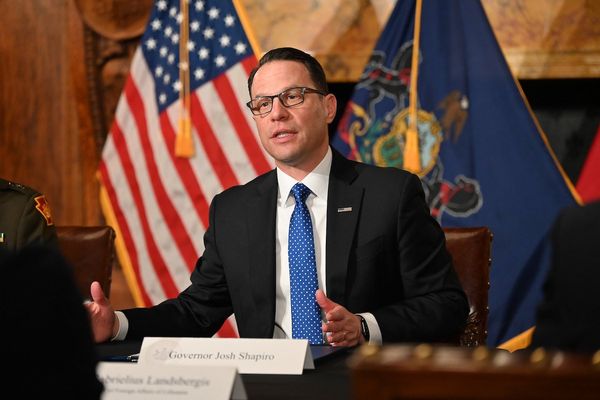
Pennsylvania governor Josh Shapiro speaks with the state flag and American flag behind him.

Two years into his term, has Gov. Shapiro kept his promises to regulate Pennsylvania’s fracking industry?

A new report assesses the administration’s progress and makes new recommendations

silhouette of people holding hands by a lake at sunset

An open letter from EPA staff to the American public

“We cannot stand by and allow this to happen. We need to hold this administration accountable.”

wildfire retardants being sprayed by plane

New evidence links heavy metal pollution with wildfire retardants

“The chemical black box” that blankets wildfire-impacted areas is increasingly under scrutiny.

Stay informed: sign up for The Daily Climate newsletter
Top news on climate impacts, solutions, politics, drivers. Delivered to your inbox week days.