People are moving to risky areas despite climate dangers

Despite growing climate threats, over 300,000 Americans relocated to flood or fire-prone areas last year, driven by affordability and housing availability in states like Florida and Texas.

Sarah Kaplan reports for The Washington Post.


In short:

  • A Redfin report shows that U.S. counties most vulnerable to floods and fires saw a population increase from July 2022 to July 2023, though some fire-prone areas in California saw a net outflow.
  • Rising insurance costs due to increased climate-related disasters are making some areas unaffordable, prompting moves away from places like California's Ventura County.
  • Despite risks, affordability and low taxes in Texas and Florida continue to attract residents to these vulnerable areas.

Key quote:

"In this new world, this new regime that we live in, maybe people are changing their behavior a bit."

— Elijah de la Campa, Redfin senior economist

Why this matters:

As climate change exacerbates extreme weather, more Americans face increased risks and financial burdens by moving to vulnerable areas. Understanding these migration patterns helps address the need for improved infrastructure and resilience planning in at-risk communities.
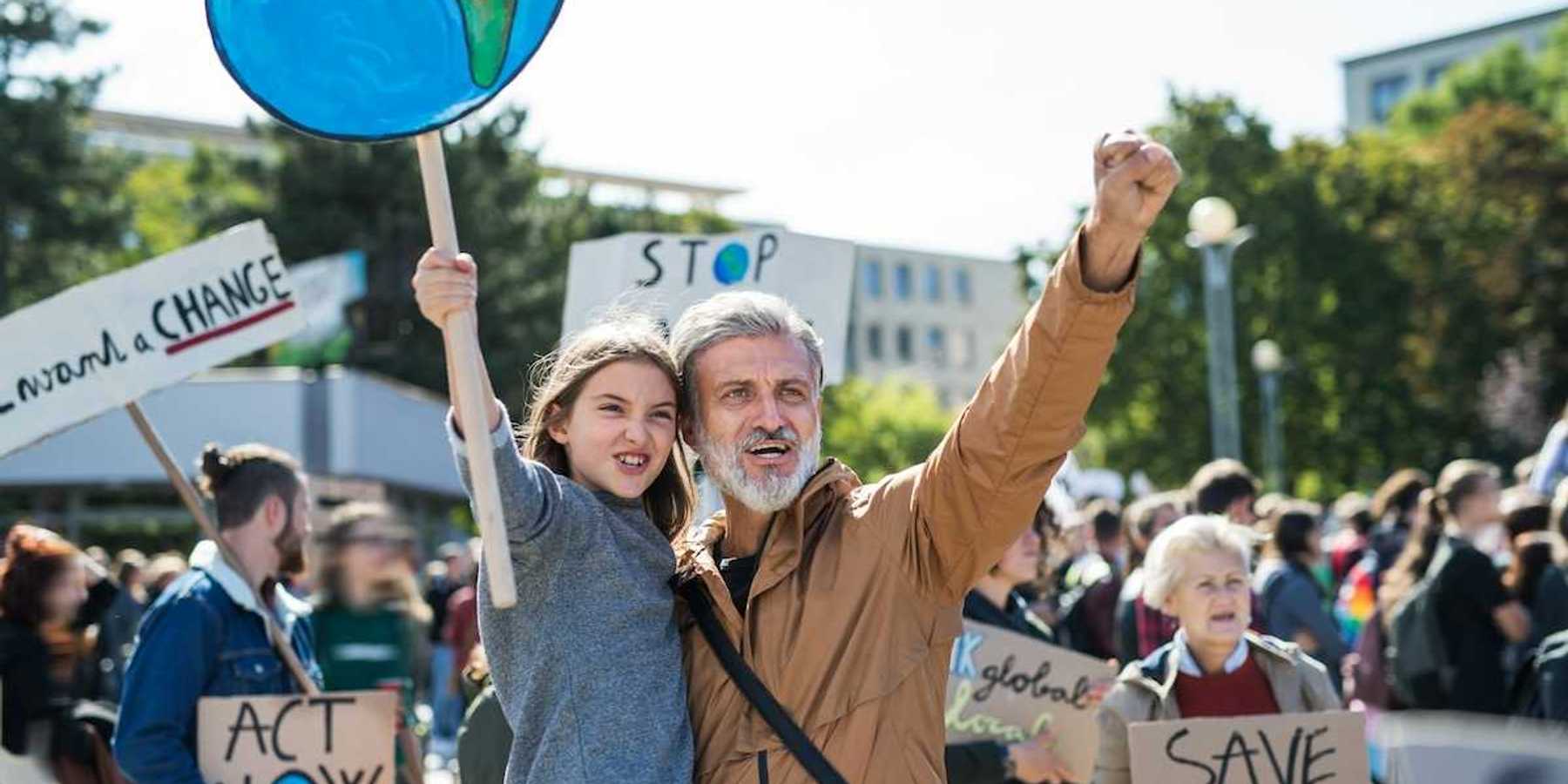

Man with raised fist holding a young girl at a climate demonstration

Watch: Bill McKibben: 2027 may be the year Americans turn on fossil fuels

Kai Wright speaks to the environmentalist and author Bill McKibben about what he thinks must be done to slow the rapid advances of global heating.

A solar panel in a manufacturing plant with a robotic arm hovering above it
Credit: kenny001/BigStock Photo ID: 143303900

RE+ was huge this year. Here are 3 solar innovations that stood out

The solar industry’s annual gathering in Las Vegas showcased endless solar panels, batteries, and new technologies illuminating the sector’s next phase of growth.

Young protesters in an alley with white blank signs

The climate generation at COP31

The youth of this era, both Gen Z and Gen Alpha, are often described as the “climate generation,” in part because climate change is already shaping how this generation lives and what our futures will look like.

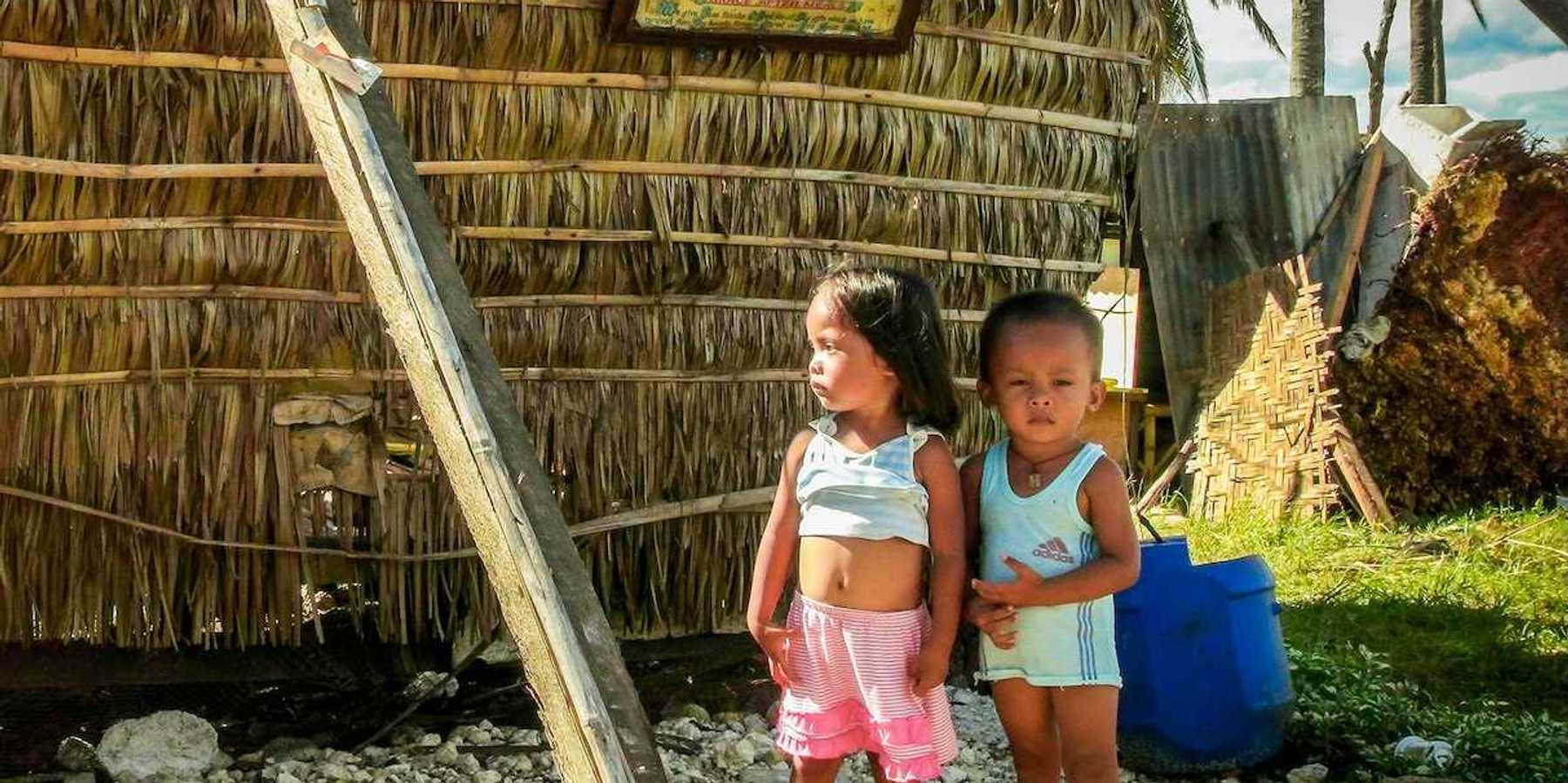
Two children stand beside their house ruined by super Typhoon Haiyan with coconut trees in background
Credit: Scared Crow Productions/BigStock Photo ID: 54798458

Climate loss and damage fund exists, but the money doesn't

Climate-vulnerable countries fought for years to create a loss and damage fund. Four years on, demand far outstrips funding, pledges are scarce, and disaster-hit nations are still waiting for support.
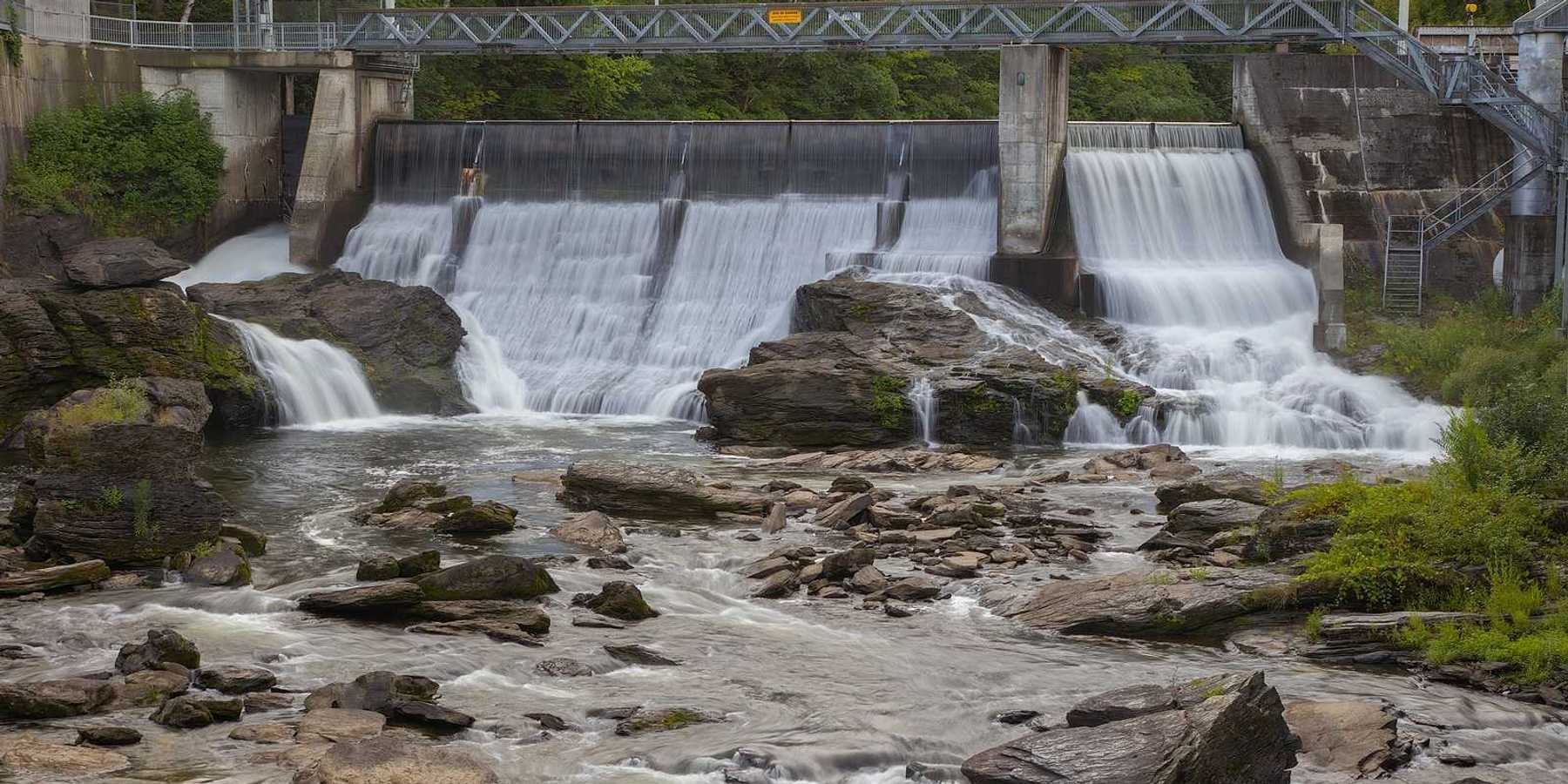
Hydroelectric dam for electricity production renewable energy in Sherbrooke Quebec
Credit: jacquesdurocher/BigStock Photo ID: 460528619

Canada’s electrification plan revives a slogan that carries a painful history for First Nations

Hydro-Québec’s big 1960s dams destroyed Innu homelands and kept the Cree in court for years. In the latest federal budget, history may be repeating itself.

A Peruvian Quechua woman walking in the mountains with her baby

Indigenous communities push back against mining for clean energy

At COP31, Indigenous representatives warned that growing demand for lithium and uranium is threatening their lands, water, and rights.
A surfer coming up the stairs with a surfboard, at Grand View Beach, Encinitas, California on December 24, 2022 during king high tide
Credit: OSProjects/BigStock Photo ID: 467836027

California’s tides are in ‘uncharted territory’ as water surges higher

Wednesday’s high tides could break records, forecasters warned.
From our Newsroom
Multiple Houston-area oil and gas facilities that have violated pollution laws are seeking permit renewals

Multiple Houston-area oil and gas facilities that have violated pollution laws are seeking permit renewals

One facility has emitted cancer-causing chemicals into waterways at levels up to 520% higher than legal limits.

Regulators are underestimating health impacts from air pollution: Study

Regulators are underestimating health impacts from air pollution: Study

"The reality is, we are not exposed to one chemical at a time.”

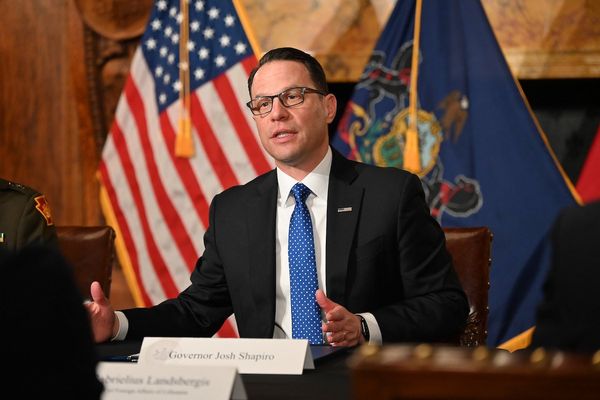
Pennsylvania governor Josh Shapiro speaks with the state flag and American flag behind him.

Two years into his term, has Gov. Shapiro kept his promises to regulate Pennsylvania’s fracking industry?

A new report assesses the administration’s progress and makes new recommendations

silhouette of people holding hands by a lake at sunset

An open letter from EPA staff to the American public

“We cannot stand by and allow this to happen. We need to hold this administration accountable.”

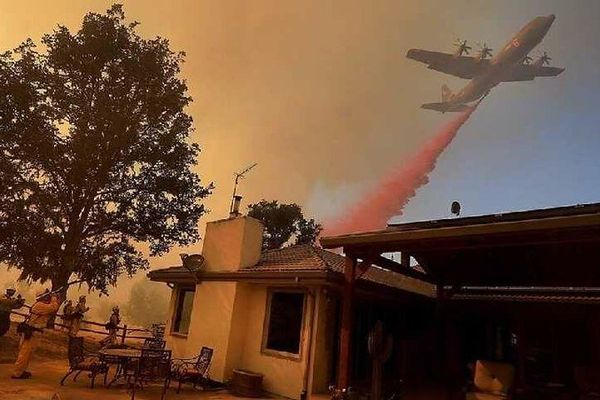
wildfire retardants being sprayed by plane

New evidence links heavy metal pollution with wildfire retardants

“The chemical black box” that blankets wildfire-impacted areas is increasingly under scrutiny.

Stay informed: sign up for The Daily Climate newsletter
Top news on climate impacts, solutions, politics, drivers. Delivered to your inbox week days.