New Mexico considers reuse of oil and gas wastewater amid safety concerns

New Mexico regulators propose reusing treated oil and gas wastewater in industrial processes but prohibit its discharge into rivers due to safety concerns.

Martha Pskowski reports for Inside Climate News.


In short:

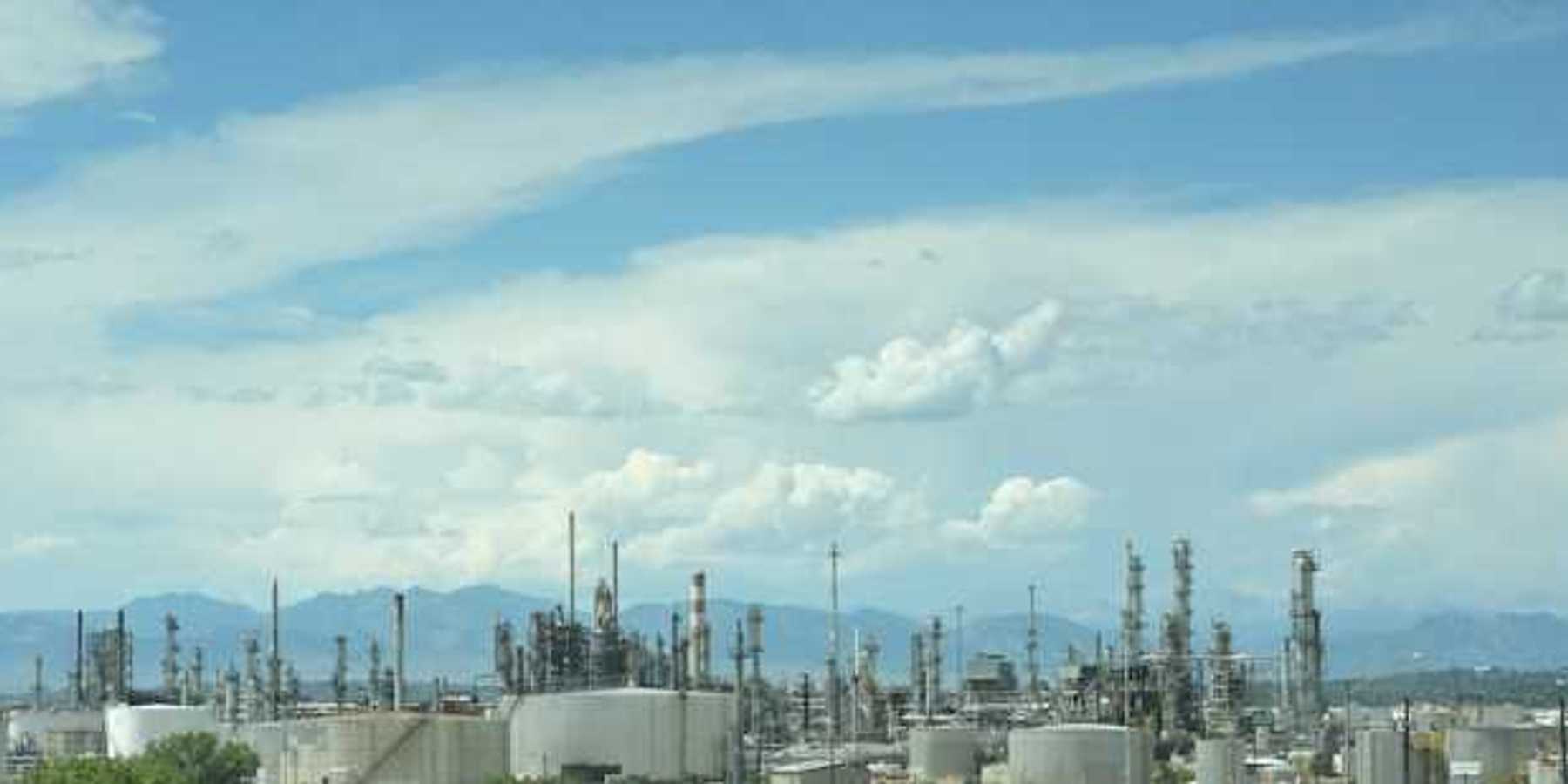
  • New Mexico generates billions of gallons of toxic wastewater annually from oil and gas drilling, currently injected underground or transported to Texas for disposal.
  • Proposed rules allow treated wastewater reuse in industry but prohibit river discharges, citing insufficient safety data.
  • Environmental advocates worry about risks, while industry groups argue the rules are too restrictive compared to other states.

Key quote:

“The scientific research that would allow us to protectively permit treated produced water discharge simply does not exist.”

— Andrew Knight, NMED assistant general counsel

Why this matters:

New Mexico faces severe water shortages and must explore alternatives to traditional water sources. Safe reuse of treated wastewater could provide a new water supply but poses potential environmental and public health risks.

A doctor with a clipboard stands in a hospital room with a patient in a bed in the background

UVA Health University Medical Center earns two national environmental excellence awards

In recognition of leadership and innovation in sustainable healthcare, UVA Health University Medical Center received a 2026 Greenhealth Champion Award and a Circle of Excellence Award in Green Building from Practice Greenhealth.

An aerial view of a wetlands area with green areas and a water source

Big trouble from little wetlands

New research suggests that small wetlands, previously unaccounted for in the global methane budget, are responsible for about 25% of global methane emissions.
A brown-skinned woman in a colorful veil on a sunny day looking at the camera

Summer heat could be hurting your heart without you knowing it

New studies hint that rising temperatures may trigger inflammation tied to heart attacks, strokes, and accelerated aging.
A view of Boston harbor with city buildings in the background

Boston, Army Corps propose $10 billion plan to defend city from rising seas

The draft plan is set to act as a roadmap for how New England’s largest city can navigate the more than four feet of sea level rise the Army Corps projects will hit Boston by 2090.
A man sitting on the sidewalk selling onions

Extreme heat is eroding health, productivity and incomes of Dhaka's informal workers

Nearly 75% of migrants in Dhaka, the capital of Bangladesh, reported being negatively affected by rising temperatures, while 100% reported being affected by extreme weather events.

A long road stretching into a desert landscape with a speed limit sign showing 25 mph

Obeying speed limits would save 57,000 tons of carbon a day

A study of more than 120 million trips finds that Americans' rush to save time on the road comes at an outsize environmental cost.
Four gas pipelines stretching toward a gas facility

How Big Oil spent decades selling the myth of ‘clean’ natural gas

A new report reveals oil and gas companies knew as early as the mid-1970s that methane fueled climate change while launching massive PR campaigns to promote natural gas as clean energy.
From our Newsroom
Multiple Houston-area oil and gas facilities that have violated pollution laws are seeking permit renewals

Multiple Houston-area oil and gas facilities that have violated pollution laws are seeking permit renewals

One facility has emitted cancer-causing chemicals into waterways at levels up to 520% higher than legal limits.

Regulators are underestimating health impacts from air pollution: Study

Regulators are underestimating health impacts from air pollution: Study

"The reality is, we are not exposed to one chemical at a time.”

Pennsylvania governor Josh Shapiro speaks with the state flag and American flag behind him.

Two years into his term, has Gov. Shapiro kept his promises to regulate Pennsylvania’s fracking industry?

A new report assesses the administration’s progress and makes new recommendations

silhouette of people holding hands by a lake at sunset

An open letter from EPA staff to the American public

“We cannot stand by and allow this to happen. We need to hold this administration accountable.”

wildfire retardants being sprayed by plane

New evidence links heavy metal pollution with wildfire retardants

“The chemical black box” that blankets wildfire-impacted areas is increasingly under scrutiny.

Stay informed: sign up for The Daily Climate newsletter
Top news on climate impacts, solutions, politics, drivers. Delivered to your inbox week days.