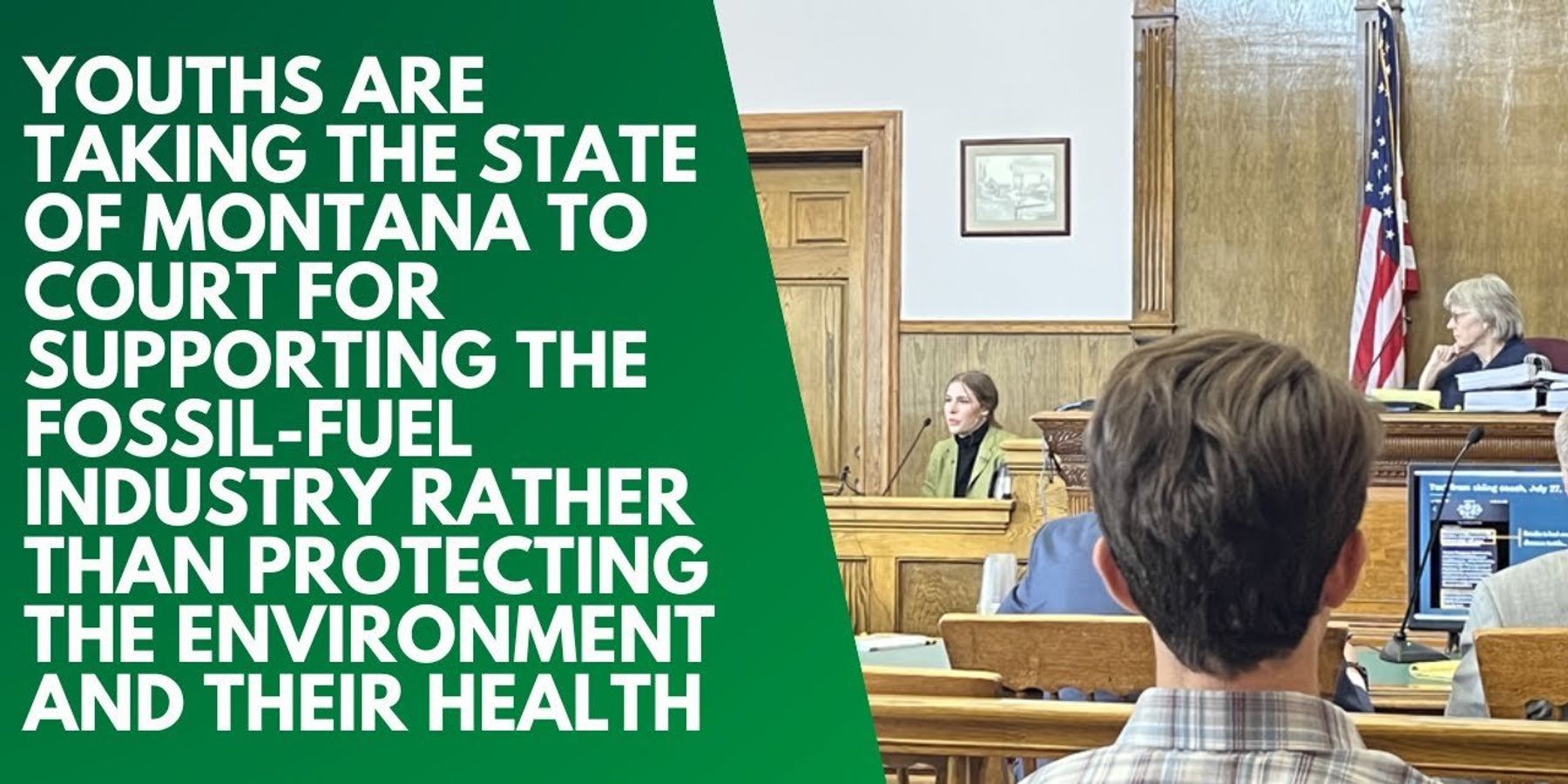
HELENA, Mont. – We stand at the forefront of a consequential lawsuit, driven not only by a commitment to the environment but also by a love for the people and places that make Montana home. We are plaintiffs in Held vs Montana, the first ever constitutional climate case to go to trial.
Despite our state constitution promising the right to “a clean and healthful environment,” our legislators have continued to prioritize fossil fuel industries, which has caused direct harm to our livelihoods – and pose a grave threat to our future.
We are moved to stand up for our rights by a sense of responsibility toward our environment, our communities and our futures. We believe that young people are disproportionately impacted by the effects of climate change. Montana's path and policies are cause for great concern. Through this lawsuit, we aim to set a new direction for our state, and others.
As young people, we’ve lived our whole lives with the devastating consequences of climate change and environmental degradation – and they are getting worse.
Some of you remember summers without smoke. We don’t. Those smoke-filled summers curtail our ability to train for sports and get outdoors. Droughts have canceled family float trips. A more variable snowpack impairs our abilities to work as ski instructors or perform well in competitive skiing.
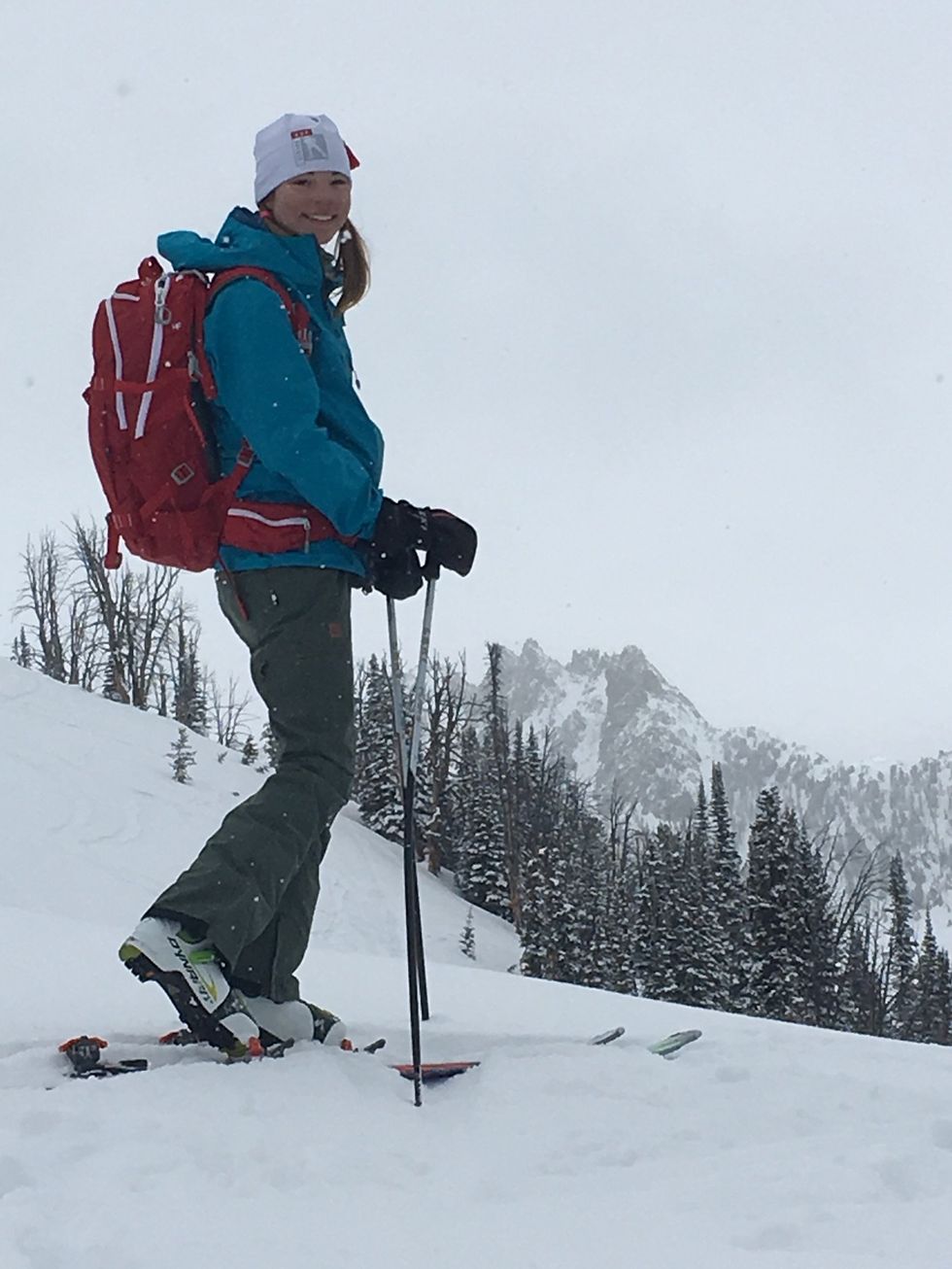
Author Claire Vlases skiing in Montana.
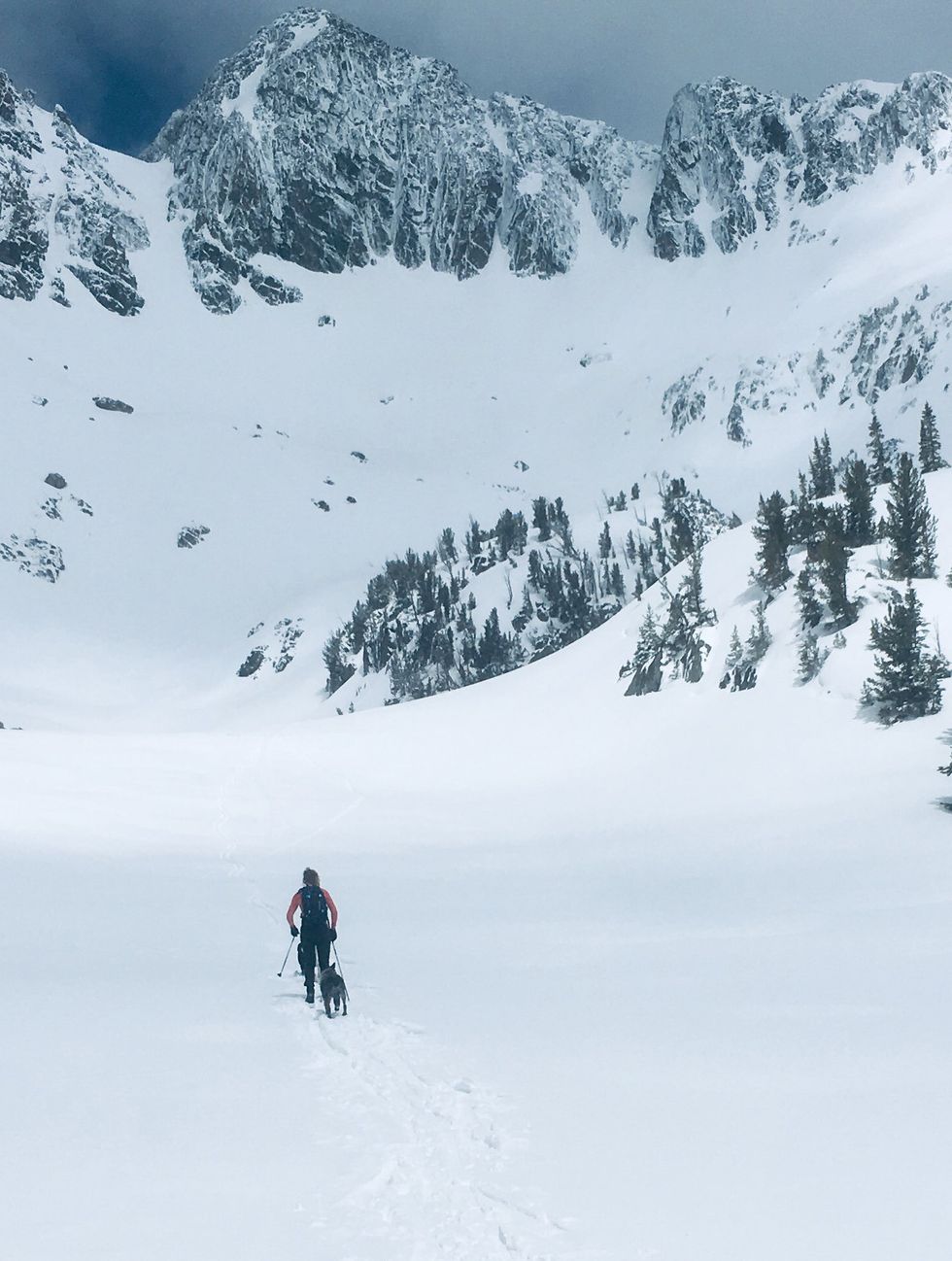
Author Georgianna Fischer skiing in Montana.
Protect and preserve our climate
Like the June hailstorms that increasingly ravage Montana’s crops and property, the Legislature's path and policies give us reason to fear. These policies revolve around the promotion of fossil fuel industries that contribute to carbon emissions and exacerbate the climate crisis.
Just this year the Legislature prohibited the state from considering carbon emissions or climate change when considering the impact of new coal mines and power plants.
Each decision made without environmental considerations betrays the landscapes we hold dear and the generations to come. The state’s continued reliance on fossil fuels not only perpetuates climate change but also threatens the resources that have long defined our state's spirit.
Our lawsuit, Held v. Montana, represents a crucial battle for our environment, our constitutional rights and the well-being of our communities. We envision a Montana that breaks loose from outdated practices, a place where our constitutional duty to protect and preserve our natural resources takes precedence.
By holding our state accountable for its unconstitutional promotion of fossil fuel industries, we shape a more sustainable future. We can forge a path towards a prosperous, equitable and resilient state for generations to come.
Montana can lead on climate change
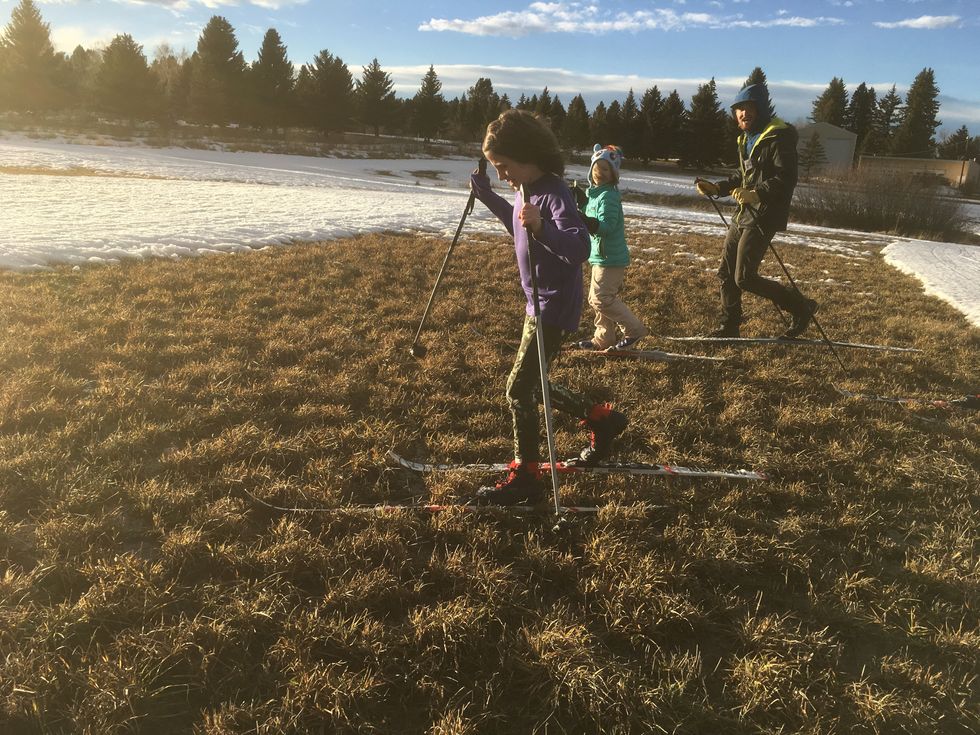
"A more variable snowpack impairs our abilities to work as ski instructors or perform well in competitive skiing."
“We’re seeing harm now and accelerating harm in the future,” testified Steve Running, Nobel Laureate and University of Montana Emeritus Regents Professor, at the opening of our trial. “We really have to change the trajectory…. We should have done it decades ago. The next-best thing is right now.”
We are working to make that happen.
We aspire to see a Montana that leads by example, inspiring other states to adopt environmentally conscious policies rooted in constitutional accountability.
Montana should not just be a witness to change, but a catalyst for it. We urge the state to listen to its citizens, especially the youth who will bear the brunt of the climate crisis. As we embark on this legal battle, we carry with us our stories – stories of lives touched by the consequences of unsustainable practices.
We invite you to join us in this pursuit, to raise our voices and demand that Montana – and all states – honor this sacred obligation to our youth and our future. We must rewrite the narrative. We must protect the wild spaces. We must be the stewards future generations deserve.
Editor's note: Georgianna Fischer is the daughter of Douglas Fischer, executive director of Environmental Health Sciences, which publishes Environmental Health News and The Daily Climate.