Methane emissions far exceed official estimates, study finds

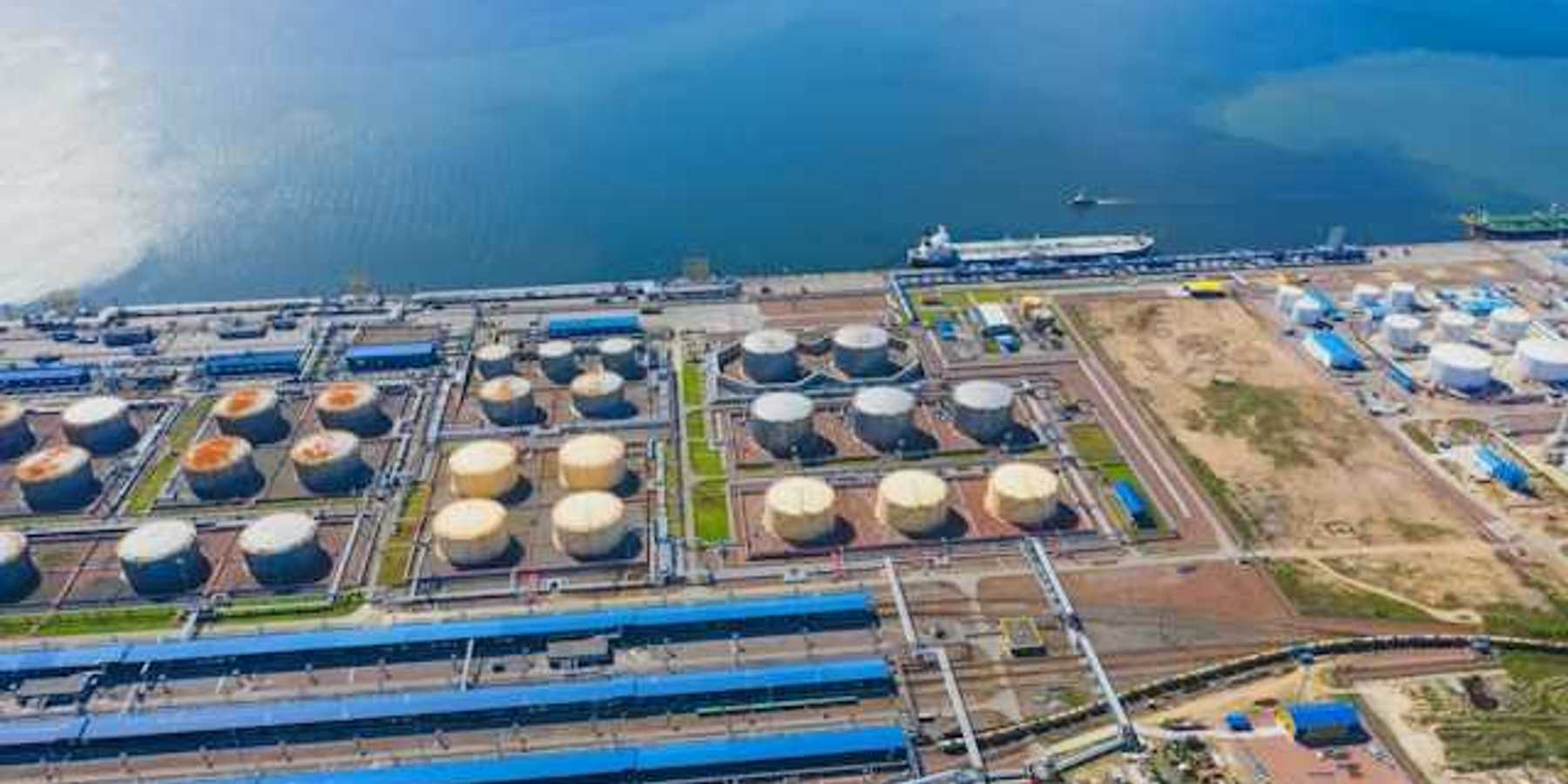
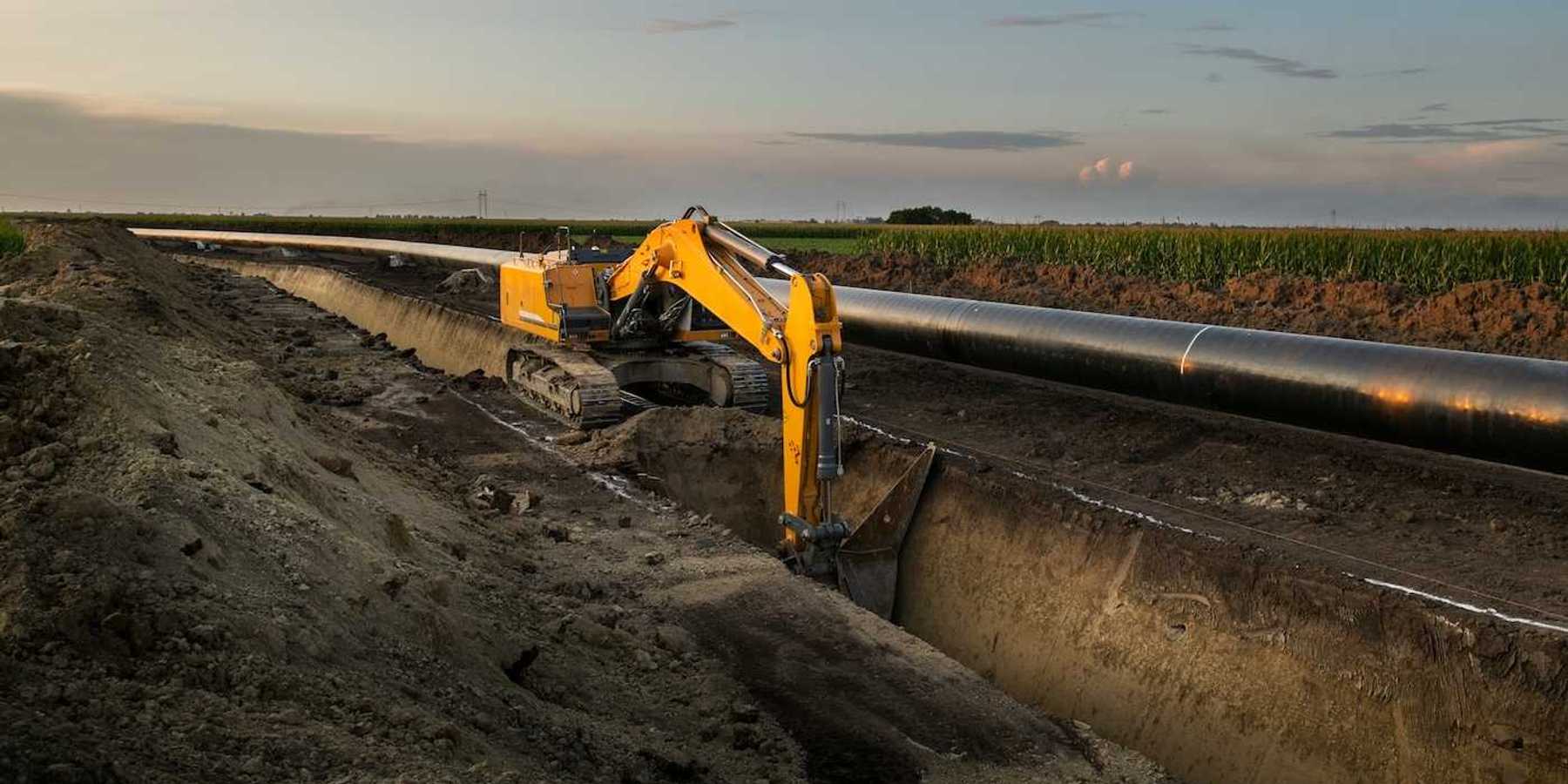
A new study highlights the significant underreporting of methane emissions by the oil and gas industry, revealing emissions approximately three times higher than Environmental Protection Agency figures.

Jeff Brady reports for NPR.


In short:

  • Researchers used aerial and ground measurements to uncover that the oil and gas sector's methane emissions are nearly triple the EPA's estimates.
  • The variance in emissions across regions points to infrastructure and market dynamics influencing leakage rates.
  • The study's findings support the push for tighter methane regulations, amidst legal challenges and global commitments to reduce climate impact.

Key quote:

"Emissions of methane from fossil fuel operations remain unacceptably high."

— Tim Gould, chief economist at the International Energy Agency

Why this matters:

Methane's potent climate impact makes these findings a wake-up call. Leaks from oil and gas infrastructure are particularly problematic, as methane can escape from thousands of points along the production chain, from wells to pipelines to storage facilities.


Overhead view of Thwaites Glacier, Antarctica
Image Credit: NASA/James Yungel/ Creative Commons: https://creativecommons.org/licenses/by-nc/2.0/

Scientists set up camp on Thwaites glacier in Antarctica

Low clouds have lifted long enough for helicopters to ferry scientists and their gear to a fast-melting glacier on the edge of Antarctica.
Aerial photo of Lake Mead and Hoover Dam showing low water level evidenced by a "bathtub ring."
Photo credit: Photo by Christian Lendl on Unsplash

The world has entered a new era of ‘water bankruptcy,’ UN report says

Researchers say this is not merely a temporary crisis, but a permanent failure that requires rethinking the world’s approach to water scarcity.
A row of data center cooling towers connected to a building with pipes
Credit: octofocus/Big Stock Photo

The AI boom will increase US carbon emissions—but it doesn’t have to

A new analysis finds that data centers’ energy demands will drastically increase power plant emissions over the next decade. Renewables, though, could cut them while helping keep prices from rising.
a group of people walking down a tree lined path in a park

Urban greenery is making some cities hotter, study finds

As urban planners look to expand green spaces to help cool cities, a new study finds that, in arid regions, grassy areas can actually have a warming effect.

raw meat in clear plastic packs

The carbon cost of your burger: How much would a meat tax cost the average EU household?

Scientists have put forward the “first step” in tackling meat-related emissions without sending food prices skyrocketing.
a couple of wooden scoops filled with coffee beans

The knowledge to save coffee already exists, now it’s in one e-library

Roughly half the world’s arabica coffee-growing regions will become unsuitable for cultivation of the crop by 2050 due to the effects of climate change.

The interior of the New Mexico capitol building

Six years on, New Mexico still hasn’t codified governor’s climate goals

As the legislative session opens, lawmakers again will weigh a pledge to reduce emissions. Last year, two Democrats joined the GOP to sink it.
From our Newsroom
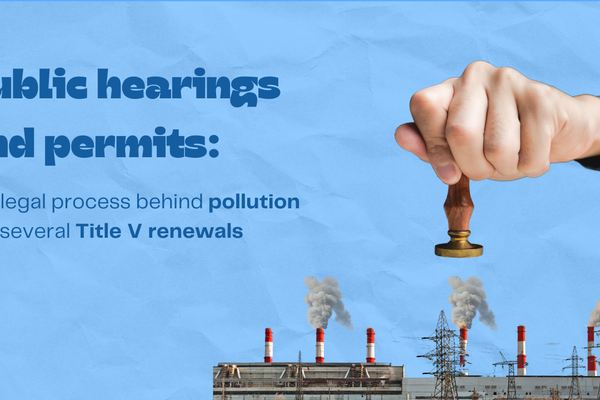
Multiple Houston-area oil and gas facilities that have violated pollution laws are seeking permit renewals

Multiple Houston-area oil and gas facilities that have violated pollution laws are seeking permit renewals

One facility has emitted cancer-causing chemicals into waterways at levels up to 520% higher than legal limits.

Regulators are underestimating health impacts from air pollution: Study

Regulators are underestimating health impacts from air pollution: Study

"The reality is, we are not exposed to one chemical at a time.”

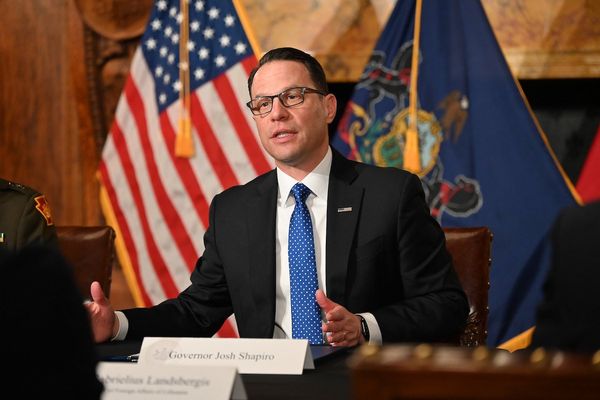
Pennsylvania governor Josh Shapiro speaks with the state flag and American flag behind him.

Two years into his term, has Gov. Shapiro kept his promises to regulate Pennsylvania’s fracking industry?

A new report assesses the administration’s progress and makes new recommendations

silhouette of people holding hands by a lake at sunset

An open letter from EPA staff to the American public

“We cannot stand by and allow this to happen. We need to hold this administration accountable.”

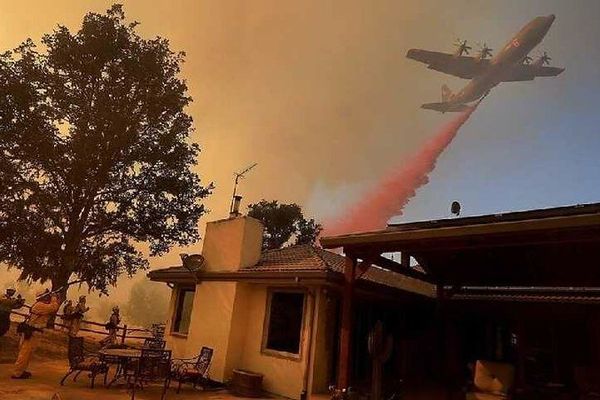
wildfire retardants being sprayed by plane

New evidence links heavy metal pollution with wildfire retardants

“The chemical black box” that blankets wildfire-impacted areas is increasingly under scrutiny.

Stay informed: sign up for The Daily Climate newsletter
Top news on climate impacts, solutions, politics, drivers. Delivered to your inbox week days.