Many journalists covering climate crisis face threats and violence

A recent survey reveals that nearly 40% of journalists reporting on climate and environmental issues have been threatened, with 11% experiencing physical violence.

Nina Lakhani reports for The Guardian.


In short:

  • A global survey of more than 740 journalists found that 39% had faced threats, primarily from individuals involved in illegal activities like logging and mining.
  • Many journalists feel compelled to self-censor due to fears of retaliation and include climate change skeptics in their stories under misguided notions of balance.
  • The survey highlights a pressing need for more resources, with 76% of respondents citing a lack of support for in-depth climate reporting.

Key quote:

“The work of ‘covering the planet’ poses diverse challenges for journalists all around the world – but this work is urgent and vital.”

— Dr. Gabi Mocatta, lead researcher at Deakin University

Why this matters:

Threats to journalists inhibit the crucial reporting on climate change, which is vital for public awareness and policy change. Covering topics like deforestation, pollution, or illegal wildlife trade often involves confronting powerful entities with vested interests in maintaining the status quo. These stories are critical not only for public awareness but also for policy change and environmental justice.


A small girl holding a model of an airplane

Researchers find a way to make airplanes fly on landfill gas

Specially designed efficient catalysts are at the heart of a reactor that makes sustainable aviation fuels from methane-rich gases created when waste decomposes.

A large plume of smoke billowing behind a building

Growing evidence points to link between autism and wildfire smoke

Two new studies have identified an alarming connection between exposure to wildfire smoke during pregnancy and autism in young children.
Industrial complex with polluting smoke rising from stacks.

As the Trump EPA prepares to revoke key legal finding on climate change, what happens next?

By revoking its 17-year-old scientific finding that greenhouse gases endanger public health and welfare, the U.S. Environmental Protection Agency will demolish the legal underpinning of its authority to act on climate change under the Clean Air Act.

Factory smokestacks emitting smoke against sunset sky.

European chemical giants plot to weaken EU’s flagship climate policy

The ultra-polluting sector says the EU’s carbon price is putting it out of business.
Vector illustration of large rechargeable lithium-ion battery energy storage stationary for renewable electric power station generation.
Credit: petovarga/BigStock Photo ID: 357758258

Stuck with an empty factory, Ford seeks a new market

The company, long focused on cars and trucks, plans to begin manufacturing large batteries used by utilities, data centers, other businesses and homeowners.
A view of the Salton Sea with mountains in the background

The clean energy transition at the Salton Sea

California holds vast stores of lithium, but mining projects stir debate over environmental costs and economic benefits.

Apocolyptic illustration depicting flood aftermath: damaged infrastructure, destroyed vehicles, angry, overcast sky

Planning for disaster? Consider Haida wisdom

A BC climate risk report highlights the connectedness of all things and sounds an alarm.
From our Newsroom
Multiple Houston-area oil and gas facilities that have violated pollution laws are seeking permit renewals

Multiple Houston-area oil and gas facilities that have violated pollution laws are seeking permit renewals

One facility has emitted cancer-causing chemicals into waterways at levels up to 520% higher than legal limits.

Regulators are underestimating health impacts from air pollution: Study

Regulators are underestimating health impacts from air pollution: Study

"The reality is, we are not exposed to one chemical at a time.”

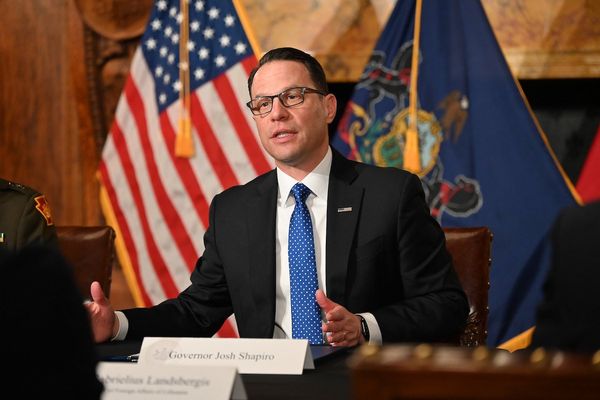
Pennsylvania governor Josh Shapiro speaks with the state flag and American flag behind him.

Two years into his term, has Gov. Shapiro kept his promises to regulate Pennsylvania’s fracking industry?

A new report assesses the administration’s progress and makes new recommendations

silhouette of people holding hands by a lake at sunset

An open letter from EPA staff to the American public

“We cannot stand by and allow this to happen. We need to hold this administration accountable.”

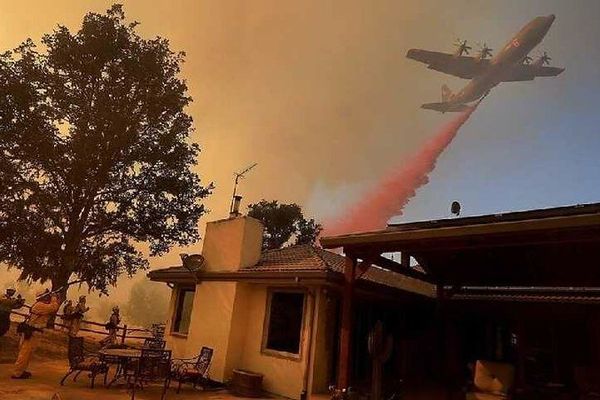
wildfire retardants being sprayed by plane

New evidence links heavy metal pollution with wildfire retardants

“The chemical black box” that blankets wildfire-impacted areas is increasingly under scrutiny.

Stay informed: sign up for The Daily Climate newsletter
Top news on climate impacts, solutions, politics, drivers. Delivered to your inbox week days.