Activists urge insurers to cut ties with fossil fuels in London protests

Thousands gathered in London to demand that insurance companies stop underwriting fossil fuel projects, emphasizing their pivotal role in the climate crisis.

Keerti Gopal reports for Inside Climate News.


In short:

  • Protesters, led by Extinction Rebellion, targeted insurers like Lloyd's of London and Marsh McLennan, urging them to halt support for oil, gas and coal developments.
  • Activists used creative tactics, such as a mock auction of "the world's last potato," to illustrate the human and economic toll of climate inaction.
  • Campaigners pointed to small wins, like policy changes by Zurich Insurance Group, while decrying slow industry-wide progress.

Key quote:

“The weak spot of the fossil fuel industry is insurance. If we can persuade as many insurers as possible to pull out of these projects, we have a real chance of actually stopping those projects, and that’s ultimately what the goal is.”

— Marijn van de Geer, Extinction Rebellion activist

Why this matters:

Insurance underpins fossil fuel development, making the industry a critical target for climate activists. Without insurance, new oil and gas projects cannot proceed, potentially curbing global emissions and mitigating climate-driven disasters.

Related EHN coverage: Fossil fuels and petrochemicals may be making us sicker, research says

A view of the German autobahn with blue city signs

Why is Germany building roads for yesterday's climate?

As heat waves buckle its Autobahn, Germany is still paving roads for a past climate. Engineers know how to fix it — so what's the holdup?
Salmon swimming in a murky river

Army Corps of Engineers uses released water from Idaho reservoir to cool river temperature

Hot temperatures have been heating up Idaho river temperatures, which can be dangerous for salmon and steelhead.
A satellite view of the Mediterranean sea showing north Africa and Europe

Europe warned of ‘warmer-than-normal’ August: What’s driving blistering temperatures?

The exceptionally warm Mediterranean Sea is leaving a fingerprint on land, and in several places it shows up in the nights rather than the afternoons.

A person collecting plastic bottles in a recycling container

Do small climate habits help or hurt the bigger cause?

Researchers tracked nearly 2,800 people's habits, protests, and policy views to test whether small green acts help or hurt the bigger fight. Neither, it turns out.
A view of a tower in a city

U.S. developer tied to failed bitcoin venture is proposing major Alberta data center

Little-known company Teton Digital is pushing an AI project that could release one million tons of annual emissions.

Woman dressed in blue jeans and black top casually charging an EV
Credit: JUICE/Unsplash

Georgia Gov. Brian Kemp isn’t done with EVs

The term-limited Republican has embraced artificial intelligence data centers, but he said electric vehicles continue to be a major priority for his last six months in office.

Three factory workers walking through a factory

U.S. factories are struggling to get cleaner heat

Many manufacturers burn fossil fuels to make snacks, materials, and chemicals. High electricity costs are complicating their efforts to switch to cleaner technologies.

From our Newsroom
Multiple Houston-area oil and gas facilities that have violated pollution laws are seeking permit renewals

Multiple Houston-area oil and gas facilities that have violated pollution laws are seeking permit renewals

One facility has emitted cancer-causing chemicals into waterways at levels up to 520% higher than legal limits.

Regulators are underestimating health impacts from air pollution: Study

Regulators are underestimating health impacts from air pollution: Study

"The reality is, we are not exposed to one chemical at a time.”

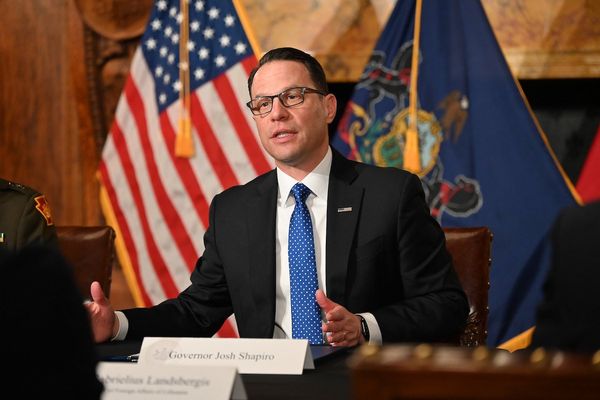
Pennsylvania governor Josh Shapiro speaks with the state flag and American flag behind him.

Two years into his term, has Gov. Shapiro kept his promises to regulate Pennsylvania’s fracking industry?

A new report assesses the administration’s progress and makes new recommendations

silhouette of people holding hands by a lake at sunset

An open letter from EPA staff to the American public

“We cannot stand by and allow this to happen. We need to hold this administration accountable.”

wildfire retardants being sprayed by plane

New evidence links heavy metal pollution with wildfire retardants

“The chemical black box” that blankets wildfire-impacted areas is increasingly under scrutiny.

Stay informed: sign up for The Daily Climate newsletter
Top news on climate impacts, solutions, politics, drivers. Delivered to your inbox week days.