Land misuse causes rapid global degradation, threatening sustainability

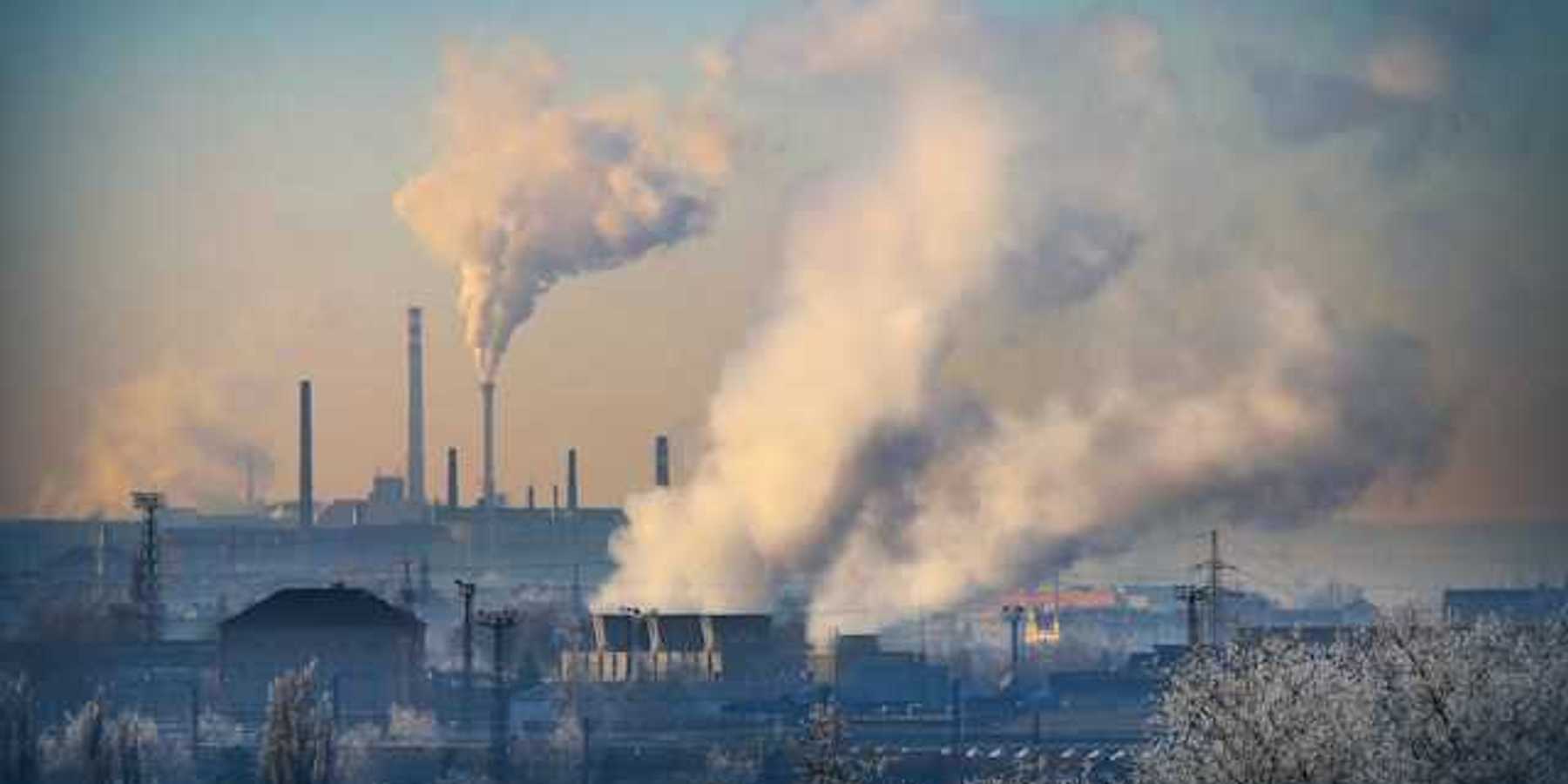
Land degradation is consuming 1 million square kilometers annually, compromising the planet's ability to sustain ecosystems, food supplies and climate stability, a new report reveals.

Jonathan Watts reports for The Guardian.


In short:

  • Land degradation has affected 15 million square kilometers, driven primarily by unsustainable agricultural practices that cause deforestation and soil erosion.
  • The decline in land health has reduced ecosystems' ability to absorb carbon dioxide by 20%, worsening climate change.
  • Affected regions include South Asia, northern China and parts of Africa, disproportionately harming low-income communities and exacerbating poverty, migration and conflict.

Key quote:

“Neglecting land degradation risks pushing humanity beyond its safe operating space, exacerbating resource pressures, poverty, migration and conflict.”

— Claudia Hunecke, scientist at Potsdam Institute for Climate Impact Research

Why this matters:

Land misuse undermines global climate and biodiversity efforts. Sustainable practices are essential to preserve ecosystems' carbon absorption and ensure food security for vulnerable populations. Addressing degradation can prevent cascading humanitarian and environmental crises.

Read more: Human activity is pushing ecosystems toward collapse, experts warn

A maintenance worker walking along a solar panel with the sun in the background

Termination shock could make the cost of climate damage even higher

Solar geoengineering could halve the economic cost of climate change, but stopping it would cause temperatures to rebound sharply, leading to greater damage than unabated global warming.

An illustration of a lasso catching harmful smoke coming from an industrial building

Indiana to pursue permitting primacy over carbon dioxide storage wells

Indiana lawmakers are advancing a proposal to assume primary authority from the U.S. Environmental Protection Agency over permits for carbon dioxide sequestration wells.

Person rides bicycle past truck with beer advertisement

Amsterdam defies last-minute lobbying to become first capital city to ban fossil fuel ads

Amsterdam city council has passed a legally binding ban on advertising for fossil fuels and meat products across public spaces in the city, becoming the first capital in the world to prohibit such ads.

Three renewable energy workers looking at a laptop with a wind turbine in the background

Our reporting showed Washington ranks last in green energy growth. Now the state is working to speed it up

Washington state has launched a sweeping effort to speed up construction of renewable energy projects, prompted by reporting from Oregon Public Broadcasting and ProPublica.

visualization of big data digital data streams in a data center

How data center backers are selling promises of jobs and clean energy

Through television ads and online campaigns, industry-backed groups are promising jobs, clean energy, and lower electricity bills.
A man on a bike riding through a densely trafficked road in an Indian city

What is life like in Delhi, one of the world's most polluted cities?

Poor air quality in Delhi has impacted nearly all aspects of life with residents saying they have lost many of the "simple joys" such as opening a window or going for a walk outside.
A river winding through a forested landscape

FEMA rule floodplain restoration and its impact

An outdated federal rule is routinely blocking projects to improve water quality, prevent erosion, and reduce flooding.

From our Newsroom
Multiple Houston-area oil and gas facilities that have violated pollution laws are seeking permit renewals

Multiple Houston-area oil and gas facilities that have violated pollution laws are seeking permit renewals

One facility has emitted cancer-causing chemicals into waterways at levels up to 520% higher than legal limits.

Regulators are underestimating health impacts from air pollution: Study

Regulators are underestimating health impacts from air pollution: Study

"The reality is, we are not exposed to one chemical at a time.”

Pennsylvania governor Josh Shapiro speaks with the state flag and American flag behind him.

Two years into his term, has Gov. Shapiro kept his promises to regulate Pennsylvania’s fracking industry?

A new report assesses the administration’s progress and makes new recommendations

silhouette of people holding hands by a lake at sunset

An open letter from EPA staff to the American public

“We cannot stand by and allow this to happen. We need to hold this administration accountable.”

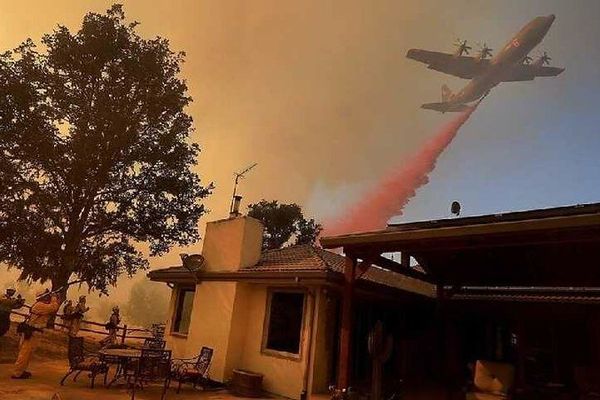
wildfire retardants being sprayed by plane

New evidence links heavy metal pollution with wildfire retardants

“The chemical black box” that blankets wildfire-impacted areas is increasingly under scrutiny.

Stay informed: sign up for The Daily Climate newsletter
Top news on climate impacts, solutions, politics, drivers. Delivered to your inbox week days.