Human activity is pushing ecosystems toward collapse, experts warn

As global leaders gather for the UN’s biodiversity summit, scientists caution that continued inaction on biodiversity loss could have catastrophic consequences for humanity.

Phoebe Weston reports for The Guardian.


In short:

  • Human-driven biodiversity loss has already pushed the planet into a danger zone, threatening food security, clean water and public health.
  • Key ecosystems are nearing tipping points, which could lead to dramatic shifts such as forests becoming savannas and fisheries collapsing.
  • The biodiversity crisis exacerbates global inequalities and is contributing to conflicts over resources like water and food.

Key quote:

“We are on the precipice of shattering Earth’s natural limits – we have not gone there yet, but we are right on the edge.”

— Tonthoza Uganja, land restoration expert

Why this matters:

The collapse of ecosystems directly impacts human survival, affecting everything from food production to global health. Urgent action is needed to prevent irreversible damage that could destabilize societies worldwide.

Orange Hitachi excavator working a coal mine.

Trump administration eyes massive coal reserves under federal lands

The Western U.S. is sitting on billions of tons of unmined coal, a new report from the U.S. Department of the Interior finds.

Large open-pit mining operation

Locals fear for their children’s quality of life if the biggest coal mine extension in New South Wales is approved

New South Wales Premier Chris Minns' government promised no new coal mines but permits expanding existing sites, despite being behind on climate targets.

Neon lights depicting a cosmic atom model representing nuclear fusion
Credit: art_of_sun/BigStock Photo ID: 65513218

Fusion is ready. Is Trump’s Washington?

Companies chasing the power of the sun say they're ready to scale. Convincing Washington to spend billions could prove harder than building the reactor.
Ships parked, presumably awaiting loading or off-loading

Iran war forces energy buyers to ‘unshackle’ from global markets

Developing Asian nations, scarred by Middle East supply shocks, are working to scale back their reliance on imported fuels, including liquefied natural gas.
A view of the Earth with one side on fire

As climate lawsuits advance, the oil industry enters 'panic mode'

With a wrongful death suit among scores of cases creeping toward trial, oil executives might have to defend themselves to a jury soon.
A view of a dirt path extending into a dry desert landscape with hills in the background

California solar project threatens Mojave wildlife corridor, scientists say

The state of California has approved a solar project in the Mojave Desert on land that serves as a migration corridor for desert bighorn sheep and habitat for the desert tortoise.

Payette National Forest, McCall, Idaho: Trail vista from rocky promontory

Pain of U.S. Forest Service cuts lingers in its leadership’s backyard

The Forest Service remains stretched on the Sawtooth National Recreation Area in Idaho — a place with ties to key agency leaders — and is leaning on volunteer groups for help.

From our Newsroom
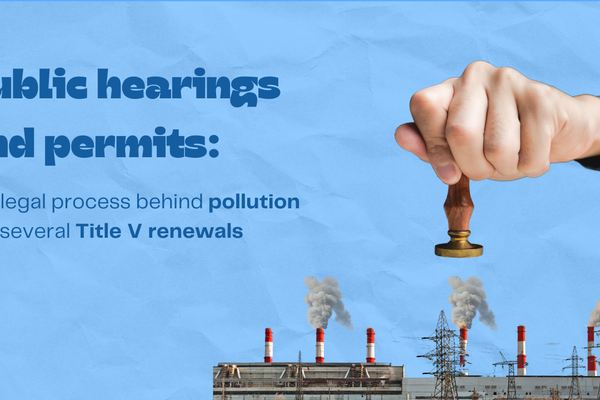
Multiple Houston-area oil and gas facilities that have violated pollution laws are seeking permit renewals

Multiple Houston-area oil and gas facilities that have violated pollution laws are seeking permit renewals

One facility has emitted cancer-causing chemicals into waterways at levels up to 520% higher than legal limits.

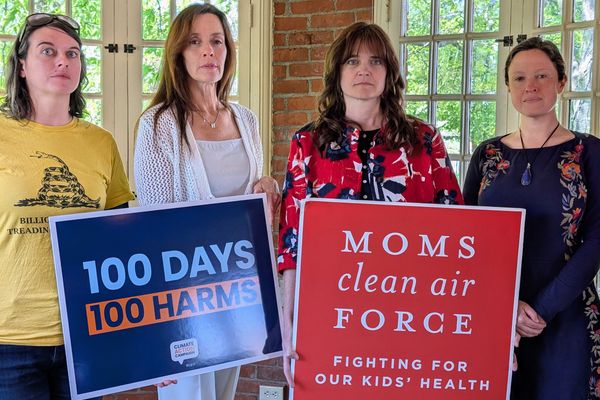
Regulators are underestimating health impacts from air pollution: Study

Regulators are underestimating health impacts from air pollution: Study

"The reality is, we are not exposed to one chemical at a time.”

Pennsylvania governor Josh Shapiro speaks with the state flag and American flag behind him.

Two years into his term, has Gov. Shapiro kept his promises to regulate Pennsylvania’s fracking industry?

A new report assesses the administration’s progress and makes new recommendations

silhouette of people holding hands by a lake at sunset

An open letter from EPA staff to the American public

“We cannot stand by and allow this to happen. We need to hold this administration accountable.”

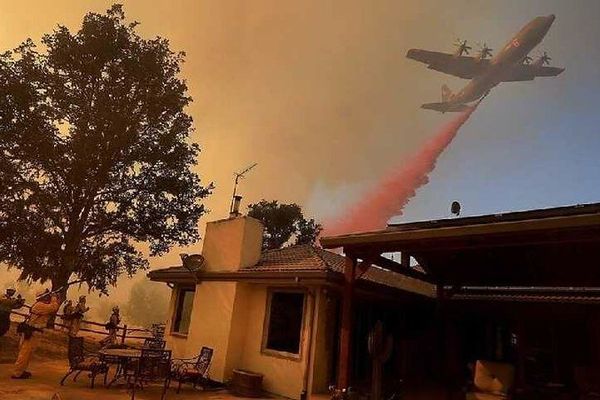
wildfire retardants being sprayed by plane

New evidence links heavy metal pollution with wildfire retardants

“The chemical black box” that blankets wildfire-impacted areas is increasingly under scrutiny.

Stay informed: sign up for The Daily Climate newsletter
Top news on climate impacts, solutions, politics, drivers. Delivered to your inbox week days.