How the Inflation Reduction Act is helping churches go solar

Churches, synagogues, and mosques nationwide are embracing solar power, thanks to the Inflation Reduction Act's incentives and financial support.

Jeff St. John reports for Canary Media.


In short:

  • The Inflation Reduction Act provides clean energy grants and tax credits, enabling places of worship to install solar panels and save on electricity bills.
  • Churches like Watts-Willowbrook Church of Christ in Compton are using these savings to support community programs, such as food ministries and energy costs.
  • Solar installations in religious institutions are spreading to underserved communities, promoting environmental justice and economic savings.

Key quote:

“Installing solar panels gives them an opportunity for funding to use in other areas of ministries.”

— Linda Cleveland, Watts Clean Air and Energy Committee

Why this matters:

This move isn't just about cutting down on those hefty energy bills—it's a green leap towards sustainability, showing congregations how faith and eco-consciousness can coexist. By tapping into the cost, climate, and reliability perks of solar energy, religious institutions are setting an example that combines moral responsibility with financial savvy. Read more: House Speaker Mike Johnson’s climate change playbook — deny the science, take the funding.
Solar panels arrayed in a remote setting

How African off-grid solar companies are using financing deals to land mainstream investors

Landmark fundraising deals by two of Africa’s largest off-grid solar companies are raising hopes that private capital markets could become a major source of funding to help bring electricity to millions of homes lacking access to reliable power.
Two workers walk towards an industrial site under construction

Georgia’s first ‘pop-up’ power plant for data centers faces scrutiny

The project is under investigation for allegedly beginning construction before obtaining required air permits as regulators consider whether privately operated power plants can legally serve data centers.
Cincinnati, Ohio, daytime cityscape

A city with a plan

Cincinnati wants to take in people fleeing climate disasters.

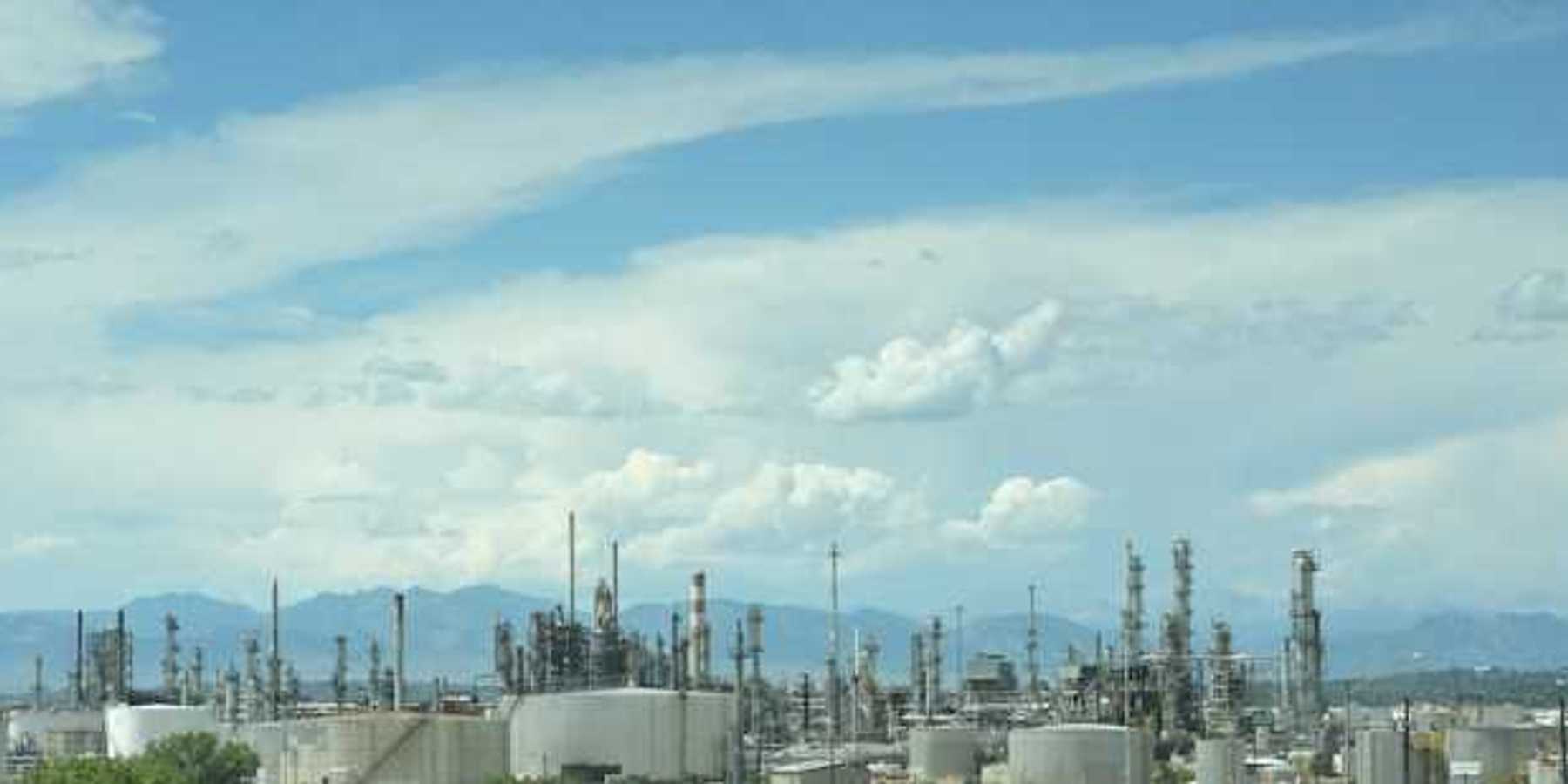
Refinery and petrochemical industrial plant
Credit: Tee Theerapol/BigStock Photo ID: 60783539

The Trump administration wants more gasoline made in idled refineries from California to sunny St. Croix

The White House is hoping to attract private investors for defunct fuel factories across the country and beyond.

Aerial view of Colorado River and Glen Canyon Dam

A federal plan for the Colorado River falls short of what's needed, experts say

Arizona, California and Nevada will be required to curb their use of the water from the river by about 20 percent over the next two years, according to three officials.
An antelope with large horns peeking above grasslands

‘Wastelands’ no more: India charts a future for its grasslands

India is beginning to reverse decades of treating native grasslands as "wastelands," embracing a new conservation strategy that recognizes their importance for carbon storage, climate resilience, and wildlife.

A view of a sign with the Shell Oil logo on it in red and yellow in the shape of a shell

Shell’s hidden climate knowledge under scrutiny as court battle looms

“What seems to be important,” wrote the visionary British scientist, James Lovelock, in June 1966, is “the almost certain fact that the climate is worsening and the probability that the combustion of fuel is responsible.”

From our Newsroom
Multiple Houston-area oil and gas facilities that have violated pollution laws are seeking permit renewals

Multiple Houston-area oil and gas facilities that have violated pollution laws are seeking permit renewals

One facility has emitted cancer-causing chemicals into waterways at levels up to 520% higher than legal limits.

Regulators are underestimating health impacts from air pollution: Study

Regulators are underestimating health impacts from air pollution: Study

"The reality is, we are not exposed to one chemical at a time.”

Pennsylvania governor Josh Shapiro speaks with the state flag and American flag behind him.

Two years into his term, has Gov. Shapiro kept his promises to regulate Pennsylvania’s fracking industry?

A new report assesses the administration’s progress and makes new recommendations

silhouette of people holding hands by a lake at sunset

An open letter from EPA staff to the American public

“We cannot stand by and allow this to happen. We need to hold this administration accountable.”

wildfire retardants being sprayed by plane

New evidence links heavy metal pollution with wildfire retardants

“The chemical black box” that blankets wildfire-impacted areas is increasingly under scrutiny.

Stay informed: sign up for The Daily Climate newsletter
Top news on climate impacts, solutions, politics, drivers. Delivered to your inbox week days.