High school football players face increasing heat-related risks

As climate change drives hotter summers, high school football players, especially in the Southeast, are suffering from heat-related illnesses, with some tragically dying on the field.

Michael Casey reports for The Associated Press.


In short:

  • At least 58 players have died from heat stroke since 1992, with five fatalities in 2024 alone.
  • Heavy equipment, intense conditioning and inadequate safety measures increase players’ vulnerability to heat illness.
  • Many states lack comprehensive policies, emergency plans and resources like cooling equipment to protect athletes.

Key quote:

“We know that heat stroke is the most severe version of heat illness, is the only one that is life threatening and also know that it uniquely afflicting football players specifically at high school and collegiate levels.”

— Rebecca Stearns, chief operating officer of the Korey Stringer Institute

Why this matters:

Hotter conditions are increasing health risks for young athletes. The lack of adequate safety protocols and equipment in many school districts leaves players exposed to life-threatening situations.

Related EHN coverage:

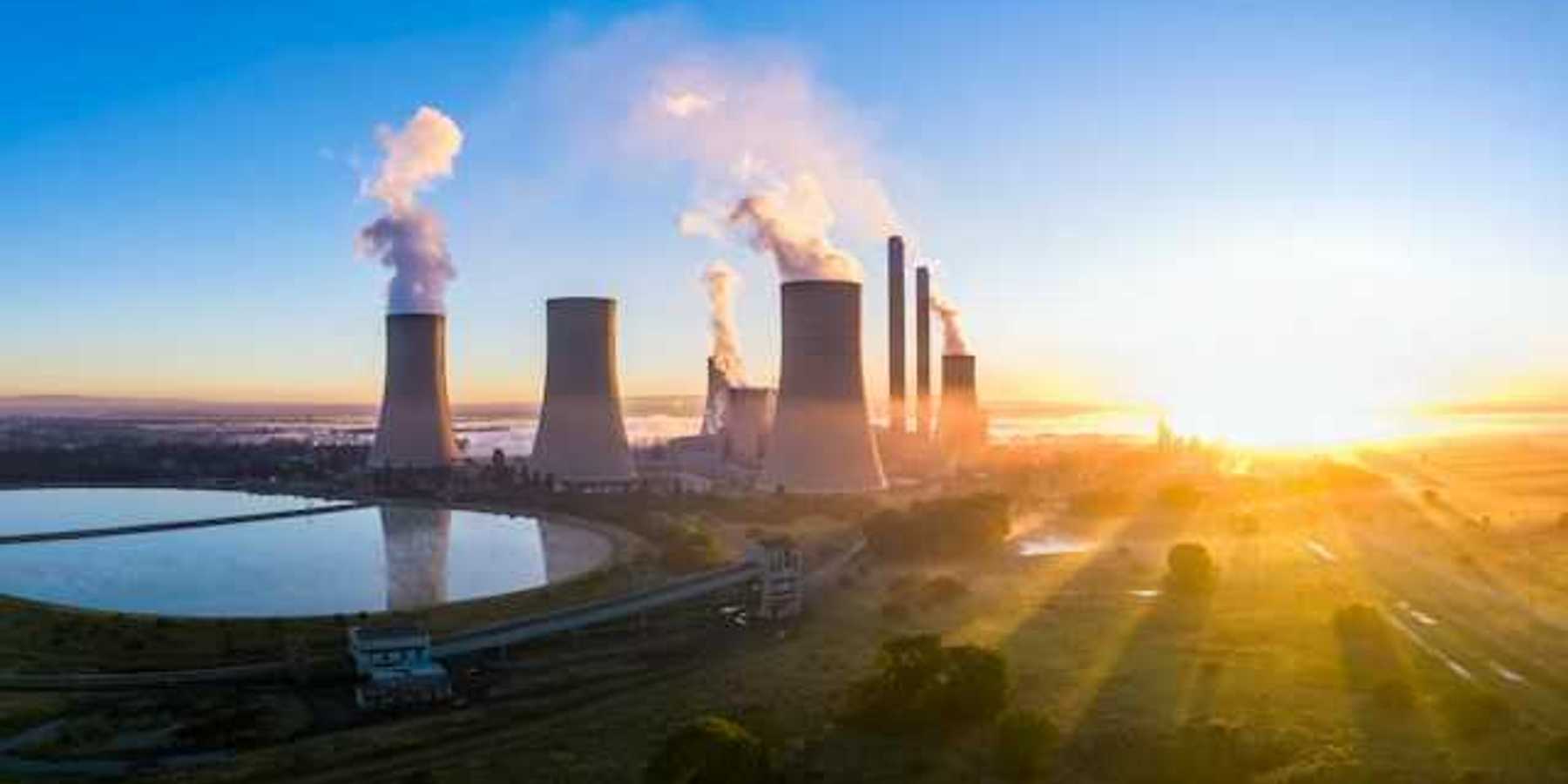
A coal plant viewed from above with smoke emitting from towers

Trump is forcing coal plants to stay open. It could cost customers billions

In an unprecedented use of federal authority, President Donald Trump’s administration has invoked emergency powers to force a series of retiring coal plants to stay open.
An illustration of a gas pump pouring gas into a gas tank

How Big Oil pivoted from climate-friendly messaging to normalize dependence on fossil fuels

The world’s biggest oil and gas companies have spent the last four years systematically shifting away from climate-friendly advertising to push a new message: fossil fuels are here to stay.

An image of the earth sitting on top of a gas stove burner

How climate change is redrawing the world’s political map

Climate change is altering geopolitical relationships, as nations compete for resources, redraw strategic priorities, and face new risks tied to energy, food, and water.

A woman sitting in front of a laptop with servers behind her

The AI boom has plunged a small Pennsylvania town into chaos

Data centers will swallow 14 percent of Archbald, P.A., evict a trailer park, and border many residential properties. Who's to blame is a matter of fierce debate.

A view of a mining pit with a river in the foreground

As India expands coal power, a mining town suffers

The people of Jharia, home to India’s largest coal reserves, are fueling the country’s economic growth and getting sick from the ensuing pollution.
Data Center corridor lined with racks and racks of electronics

AI power demand creates ‘high likelihood, high impact’ grid risks

The North American transmission watchdog warns of cascading outages if the largest data centers aren’t regulated.
A depiction of a greener planet, green energy, and green solutions for the planet.

House Democrats want clean energy tax credits back

A new bill would reinstate incentives from the Inflation Reduction Act and provide assistance for consumer electricity costs.
From our Newsroom
Multiple Houston-area oil and gas facilities that have violated pollution laws are seeking permit renewals

Multiple Houston-area oil and gas facilities that have violated pollution laws are seeking permit renewals

One facility has emitted cancer-causing chemicals into waterways at levels up to 520% higher than legal limits.

Regulators are underestimating health impacts from air pollution: Study

Regulators are underestimating health impacts from air pollution: Study

"The reality is, we are not exposed to one chemical at a time.”

Pennsylvania governor Josh Shapiro speaks with the state flag and American flag behind him.

Two years into his term, has Gov. Shapiro kept his promises to regulate Pennsylvania’s fracking industry?

A new report assesses the administration’s progress and makes new recommendations

silhouette of people holding hands by a lake at sunset

An open letter from EPA staff to the American public

“We cannot stand by and allow this to happen. We need to hold this administration accountable.”

wildfire retardants being sprayed by plane

New evidence links heavy metal pollution with wildfire retardants

“The chemical black box” that blankets wildfire-impacted areas is increasingly under scrutiny.

Stay informed: sign up for The Daily Climate newsletter
Top news on climate impacts, solutions, politics, drivers. Delivered to your inbox week days.