Hay consumption strains Colorado River's water supply

In a revealing study, researchers pinpoint cattle-feed crops like alfalfa as major consumers of Colorado River's water, stirring debates on water use efficiency and sustainability.

Ian James reports for Los Angeles Times.


In short:

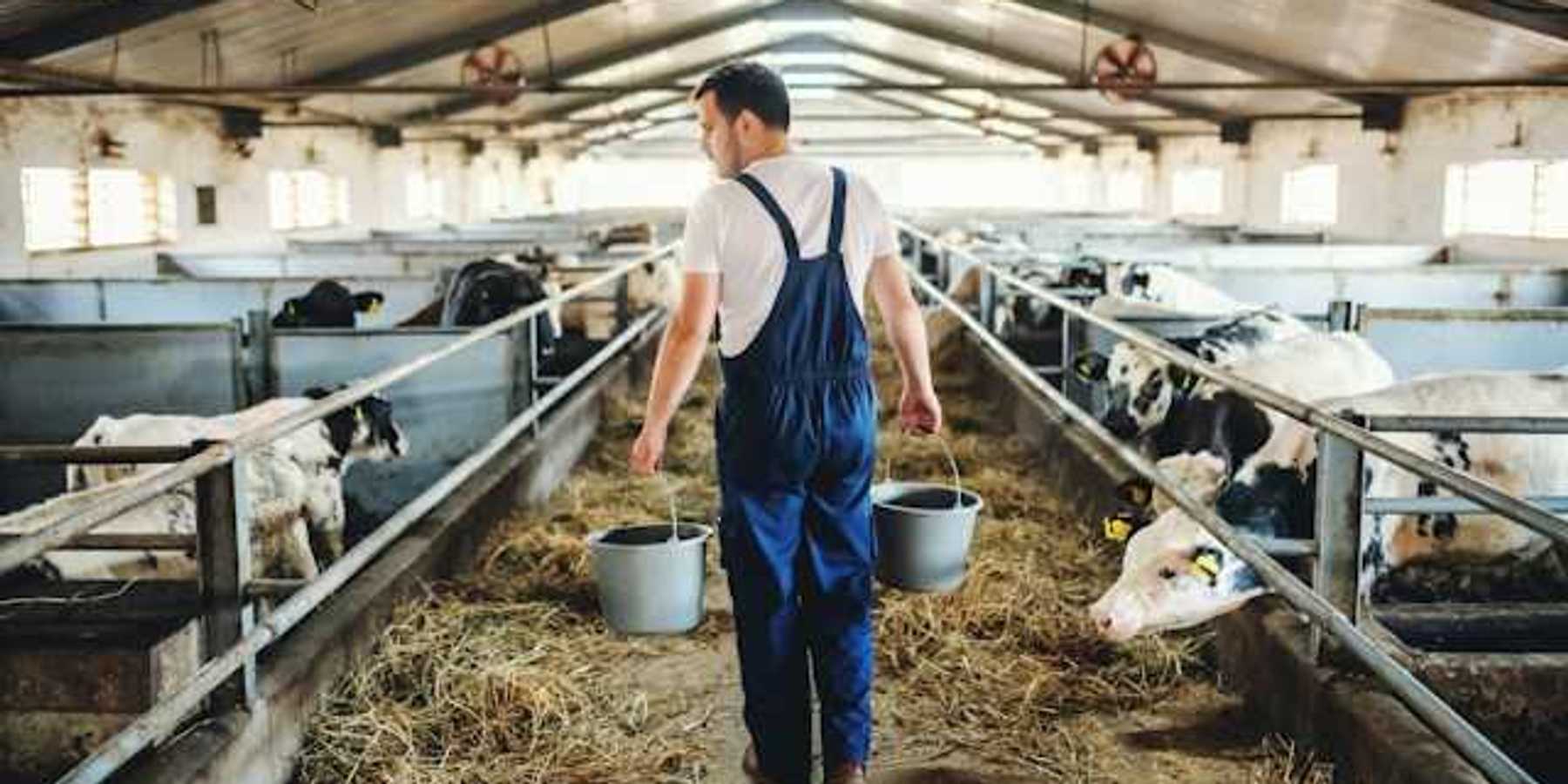
  • Cattle-feed crops, primarily alfalfa, account for 46% of the water diverted from the Colorado River, emphasizing agriculture's heavy water usage.
  • The study offers a comprehensive look at water distribution across the Western U.S. and Mexico, aiming to guide future water conservation efforts.
  • Agriculture's significant share of water use, compared to urban demands, highlights the urgent need for strategic crop management and conservation initiatives.

Key quote:

“It’s important to understand where all of the water goes. This is the first complete and detailed accounting.”

— Brian Richter, lead researcher

Why this matters:

Alfalfa, known for its high water needs, is a key crop in the agricultural profile of states like Arizona and California, both of which rely heavily on the Colorado River for irrigation. The crop's cultivation consumes more water than any other in California, and it's a major user in Arizona as well, states that are already facing water allocation challenges due to the river's overextension.

Climate change—and the subsequent increase in droughts, flooding, and extreme heat—has held back agricultural gains and impeded global food security efforts.

Industrial power plant with smoke stacks under blue sky.

US succeeds in erasing climate from global energy body’s priorities

Trump’s energy chief had threatened to leave the International Energy Agency if it continued to focus on climate.
Demonstrators hold signs calling for racial justice.

Jesse Jackson's vision for America embraced environmental justice

The civil rights leader, who died earlier this week, linked segregation, pollution, and political power.
Leading cardiology societies call for stronger protections against environmental hazards
Photo by Ella Ivanescu on Unsplash

Leading cardiology societies call for stronger protections against environmental hazards

Four international cardiology societies — the American Heart Association, the American College of Cardiology, the European Society of Cardiology, and the World Heart Federation — issued a joint statement urging for regulatory action to address the role of toxic environmental exposures in cardiovascular disease.


In short:

  • Growing evidence shows environmental exposures — including air pollution, chemical pollution, plastics, climate change, and artificial noise and light — may be contributing significantly to the rise in cardiovascular disease.
  • Of these hazards, air pollution poses the greatest risk, likely by causing inflammation in the lungs and throughout the circulatory system.
  • The multiple hazards associated with climate change like extreme heat and wildfires may also threaten cardiovascular health via dehydration, arrhythmia, and severe coronary events (such as heart attacks).


Key quote:

"A unified voice was needed to state clearly that the science is settled—and that continued inaction reflects political and structural inertia rather than scientific uncertainty.”

- Lead study author Dr. Thomas Münzel, via JAMA Medical News


Why this matters:

Cardiovascular disease is the leading cause of death worldwide, contributing to roughly 44% of deaths from noncommunicable diseases. When speaking with JAMA Medical News, lead author Dr. Münzel contributed at least 1 in 5 of the 20 million annual global cardiovascular disease deaths to environmental hazards. The authors of this statement call on both policymakers and clinicians to address environmental exposures “with the same seriousness as traditional cardiovascular risks,” fully integrating them into regulations and patient care.


Related EHN coverage:


More resources:


Münzel, T. et al. (2026). Environmental Stressors and Cardiovascular Health: Acting Locally for Global Impact in a Changing World: A Statement of the European Society of Cardiology, the American College of Cardiology, the American Heart Association, and the World Heart Federation. Circulation

Anderer, S. (2026). Cardiology Societies Urge Action on Environmental Risk Factors. JAMA Medical News
A lone firefighter training a stream of water on a huge wildfire

Number of days with weather just right for wildfires is soaring around the world

A new study shows hot, dry and windy weather that fuels extreme wildfires has nearly tripled worldwide in 45 years.
A power plant smokestack emitting smoke into the sky

The nation's largest public utility is going back to coal — with almost no say from the public

The Tennessee Valley Authority once prided itself on political independence. Data center demand and political pressure have it changing course from clean energy.
A plant-based burger on paper packaging with french fries in the background

The great veggie burger experiment in New Mexico oil and gas country

A rancher in the middle of oil country struck gold with plant-based foods before anyone else. Can he survive the fake-meat slump?
An oil tank truck driving down a highway

Inside the largest deregulatory action in US history

Can the government simply decide emissions aren’t its problem?
From our Newsroom
Multiple Houston-area oil and gas facilities that have violated pollution laws are seeking permit renewals

Multiple Houston-area oil and gas facilities that have violated pollution laws are seeking permit renewals

One facility has emitted cancer-causing chemicals into waterways at levels up to 520% higher than legal limits.

Regulators are underestimating health impacts from air pollution: Study

Regulators are underestimating health impacts from air pollution: Study

"The reality is, we are not exposed to one chemical at a time.”

Pennsylvania governor Josh Shapiro speaks with the state flag and American flag behind him.

Two years into his term, has Gov. Shapiro kept his promises to regulate Pennsylvania’s fracking industry?

A new report assesses the administration’s progress and makes new recommendations

silhouette of people holding hands by a lake at sunset

An open letter from EPA staff to the American public

“We cannot stand by and allow this to happen. We need to hold this administration accountable.”

wildfire retardants being sprayed by plane

New evidence links heavy metal pollution with wildfire retardants

“The chemical black box” that blankets wildfire-impacted areas is increasingly under scrutiny.

Stay informed: sign up for The Daily Climate newsletter
Top news on climate impacts, solutions, politics, drivers. Delivered to your inbox week days.