If global warming exceeds critical thresholds, what will the planet look like?

A recent Guardian survey of climate experts indicates that global warming is set to surpass the 1.5C goal, escalating risks of severe natural disasters.

Damian Carrington reports for The Guardian.


In short:

  • Climate scientists warn of intensifying heatwaves, floods, and storms as temperatures climb.
  • Despite low confidence in achieving the 1.5C target, experts emphasize the importance of continued efforts to mitigate climate impacts.
  • Each incremental reduction in CO2 emissions is vital in lessening human suffering.

Key quote:

"Climate change will not suddenly become dangerous at 1.5C – it already is – and it will not be ‘game over’ if we pass 2C, which we might well do."

— Peter Cox, professor at the University of Exeter

Why this matters:

The environmental repercussions of these increasingly severe weather patterns are profound. For example, heatwaves can lead to droughts that devastate crops, disrupt food supplies, and trigger wildfires. Intense storms and floods can cause catastrophic damage to infrastructure, displace communities, and contaminate freshwater supplies. These changes reshape our natural landscapes and threaten biodiversity as species struggle to adapt to rapidly changing conditions.

Extreme weather events such as heatwaves, droughts, and floods have already shown their devastating effects on communities worldwide.

A view of the exterior of the National Academy of Sciences building in Washington, DC

Inside the campaign to discredit a key climate science report

An emerging field of research that can measure how much climate change has worsened individual disasters is under attack by friends of the fossil fuel industry.

Oil pump jacks at night with a starry sky in the background

Mark Carney adviser says AI data centres ‘provide markets’ for gas

Boosting energy production is one of the top ‘public policy benefits to Canada’ of data centers, says internal government document.

A view of a Border Patrol vehicle next to a tall metal border wall

‘Every day it’s more barriers’: how the US is shutting out climate refugees

While the US is shutting the doors to most refugees, those already in the country fear for their future in a rapidly heating world.

An airplane on the tarmac

Scientists have made jet fuel from plastic waste

A new process converts hard-to-recycle styrofoam waste into valuable jet fuel at a cost competitive with petroleum-based fuels.
Two women in a kayak floating through a mangrove forest

Mangroves comeback is a rare climate success story

For decades, we've catalogued what we're losing to climate change. A sweeping new study offers something harder to find — evidence that one of the planet's most vital coastal ecosystems is actually winning.

An illustration of a car made out of green grass with a plug icon in the center

COP31 leaders unveil global targets, with spotlight on electrification

The two countries set to lead this year’s COP31 have unveiled three headline goals for November’s UN climate summit — on electrification, waste, and buildings.

From our Newsroom
Multiple Houston-area oil and gas facilities that have violated pollution laws are seeking permit renewals

Multiple Houston-area oil and gas facilities that have violated pollution laws are seeking permit renewals

One facility has emitted cancer-causing chemicals into waterways at levels up to 520% higher than legal limits.

Regulators are underestimating health impacts from air pollution: Study

Regulators are underestimating health impacts from air pollution: Study

"The reality is, we are not exposed to one chemical at a time.”

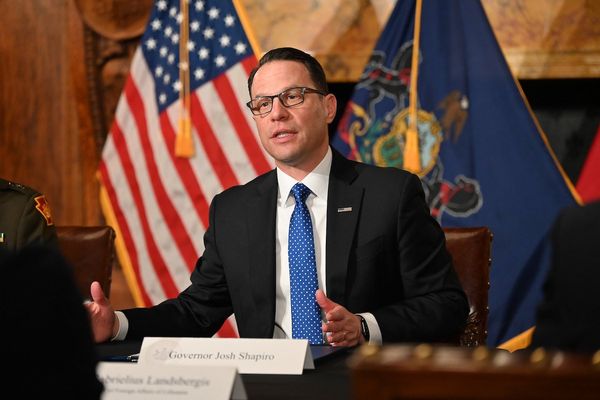
Pennsylvania governor Josh Shapiro speaks with the state flag and American flag behind him.

Two years into his term, has Gov. Shapiro kept his promises to regulate Pennsylvania’s fracking industry?

A new report assesses the administration’s progress and makes new recommendations

silhouette of people holding hands by a lake at sunset

An open letter from EPA staff to the American public

“We cannot stand by and allow this to happen. We need to hold this administration accountable.”

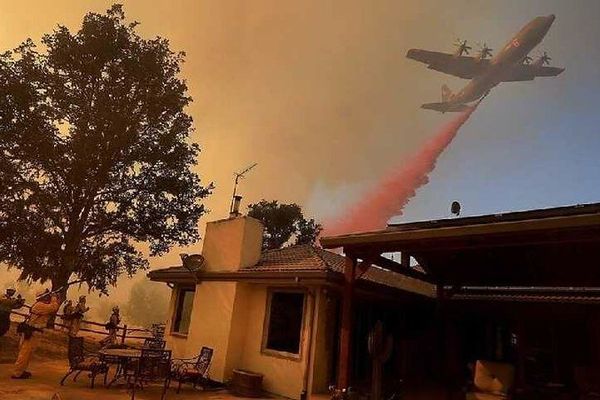
wildfire retardants being sprayed by plane

New evidence links heavy metal pollution with wildfire retardants

“The chemical black box” that blankets wildfire-impacted areas is increasingly under scrutiny.

Stay informed: sign up for The Daily Climate newsletter
Top news on climate impacts, solutions, politics, drivers. Delivered to your inbox week days.