Global South demands fairness in genetic data sharing amid growing biopiracy concerns

In a world where digital genetic information is becoming a billion-dollar business, countries rich in biodiversity are demanding their fair share of the profits.

Patrick Greenfield reports for The Guardian.


In short:

  • Multinationals are extracting genetic information from diverse organisms, often without compensating the countries where these organisms are found.
  • A global agreement on sharing the benefits from digital genetic codes, called digital sequencing information (DSI), is under negotiation, with tensions running high.
  • Countries in the Global South argue that they are being exploited while richer nations profit from their biodiversity without sharing the wealth.

Key quote:

“There will be a Cop decision and then after that, it’ll be up to everyone to play nicely and turn it into a resource mobilisation engine for looking after biodiversity.”

— Pierre du Plessis, Namibian negotiator at Cop15

Why this matters:

With the biodiversity summit in Colombia looming, there's hope that a groundbreaking agreement might finally address this tug-of-war over genetic resources. Countries rich in biodiversity, often in the Global South, argue that they should see a slice of the profits, not just for fairness but to fund conservation efforts crucial for preserving these ecosystems. Read more: The economics of biodiversity.

An illustration of the earth being cooked on a campfire

Three-quarters of world's displaced people face severe climate risks, UN says

Nearly 90 million forcibly displaced people, or three-quarters of the global total, live in countries highly exposed to climate hazards, the United Nations Refugee Agency says.

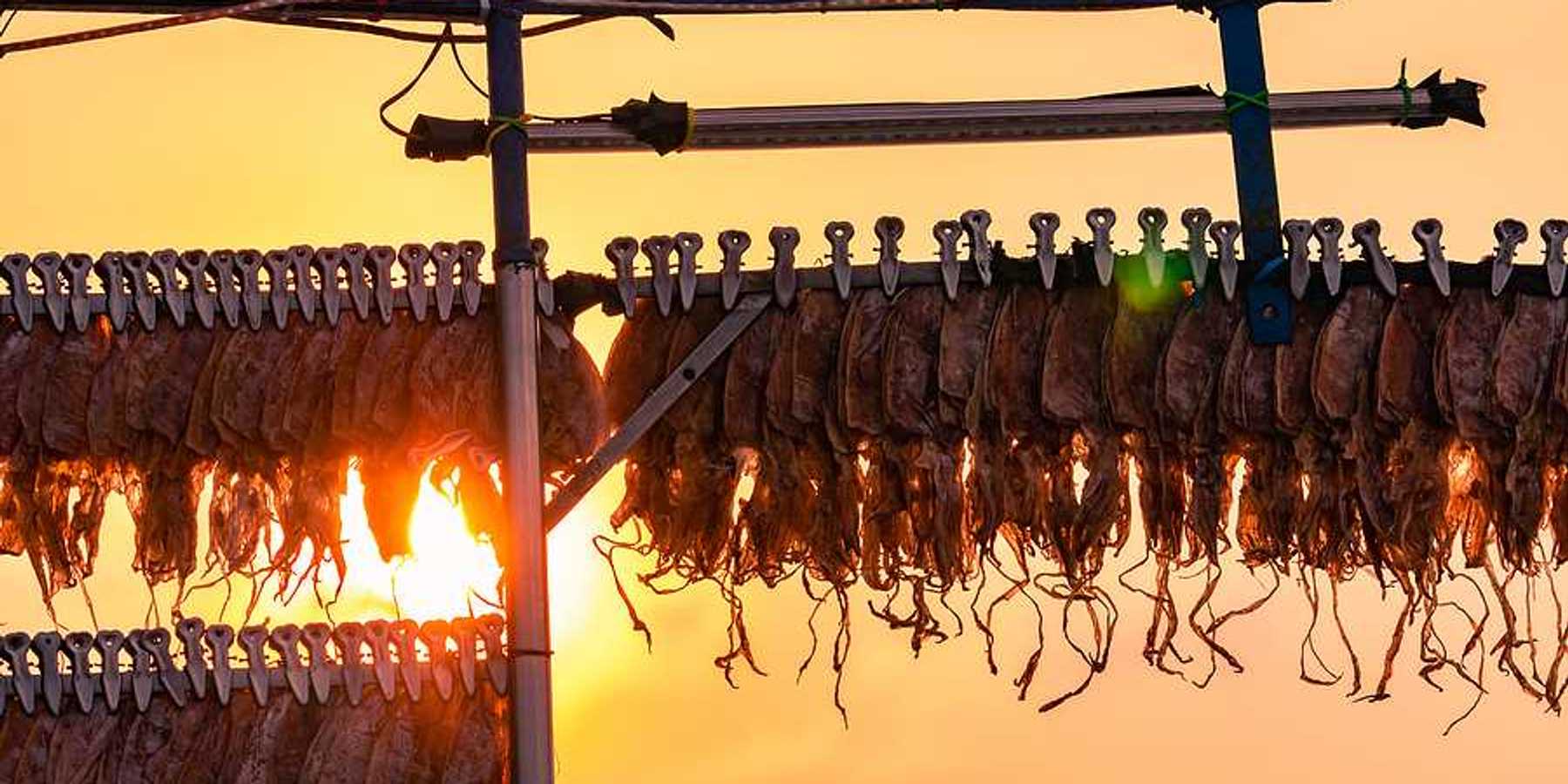
Dried squid hanging with clip in a line against sunset sky.

South Korea’s beloved squid may vanish from its waters due to climate change

A new study finds that by the 2040s, South Korea will become “a zero-catch state” for the Pacific flying squid, the country’s most popular squid species, due to climate change and marine heat waves.

A person installing solar panels on a roof

As war roils energy markets, China sees its emissions drop

China just saw its steepest quarterly drop in carbon dioxide emissions since the Covid pandemic, thanks to energy shocks rippling from the Iran war.

A woman in a tank top throwing water on her head on a hot day

‘A new age of climate extremes’: Earth accumulating heat at accelerating rate

Heat is accumulating in Earth’s systems at an accelerating rate, the UN’s weather agency has reported as the COP31 climate change summit begins in Turkey, with 2026 on track to be one of the four warmest years on record.

A view of electricity towers with blue wires connecting them

Power grids need upgrades to keep up with renewable energy

Outdated power grids are a major hurdle in the transition to renewable energy, since older systems often can’t absorb all the electricity from new, cleaner sources.

Aerial view of several rows of solar panels in a green field

COP31 host Türkiye is home to one of Europe's largest solar farms. Why can’t it kick coal?

As Türkiye prepares to host the UN climate summit, one critic describes the country's climate targets and policies as “critically insufficient”.
"The Climate Has No Borders" illustrative rendering for the International Climate Summit
Credit: urbanbuzz/BigStock Photo ID: 446265299

What to expect from COP31 Antalya

Droughts, floods, and extreme heat are upping the pressure on countries to move beyond pledges and take concrete action.

From our Newsroom
Multiple Houston-area oil and gas facilities that have violated pollution laws are seeking permit renewals

Multiple Houston-area oil and gas facilities that have violated pollution laws are seeking permit renewals

One facility has emitted cancer-causing chemicals into waterways at levels up to 520% higher than legal limits.

Regulators are underestimating health impacts from air pollution: Study

Regulators are underestimating health impacts from air pollution: Study

"The reality is, we are not exposed to one chemical at a time.”

Pennsylvania governor Josh Shapiro speaks with the state flag and American flag behind him.

Two years into his term, has Gov. Shapiro kept his promises to regulate Pennsylvania’s fracking industry?

A new report assesses the administration’s progress and makes new recommendations

silhouette of people holding hands by a lake at sunset

An open letter from EPA staff to the American public

“We cannot stand by and allow this to happen. We need to hold this administration accountable.”

wildfire retardants being sprayed by plane

New evidence links heavy metal pollution with wildfire retardants

“The chemical black box” that blankets wildfire-impacted areas is increasingly under scrutiny.

Stay informed: sign up for The Daily Climate newsletter
Top news on climate impacts, solutions, politics, drivers. Delivered to your inbox week days.