Global renewable energy goal falls short of 2030 target, says IEA

The world is not on track to triple renewable electricity generation by 2030, an important step in transitioning from fossil fuels, but progress is accelerating.

Fiona Harvey reports for The Guardian.


In short:

  • The International Energy Agency (IEA) found that current policies would only roughly double global renewable generation by 2030.
  • Solar power constitutes about half of the planned capacity, while wind accounts for a quarter.
  • Governments must focus on upgrading electricity grids, which are currently hindering progress.

Key quote:

“The tripling target is ambitious but achievable – though only if governments quickly turn promises into plans of action.”

— Fatih Birol, executive director of the IEA

Why this matters:

Meeting renewable energy targets is essential to limiting global temperature rise to 1.5C above pre-industrial levels. Achieving these goals requires immediate government action and infrastructure improvements.

Related EHN coverage:
Helicopter landing on helipad at an offshore oil rig

UK approves long-stalled Jackdaw gas drilling project in the North Sea

The project will lessen the country’s dependence on imported energy, though environmental advocates say it undercuts a pledge to reduce carbon emissions.
People silhouetted in an arch carrying suitcases and walking toward the setting sun

Can this film change our understanding of the climate and migration crises?

Josh Fox fueled the fight against fracking with his documentary Gasland. His latest film, The Welcome Table, sends a potent message on climate and immigration.
A view of a tropical beach covered in green ground cover with a dog walking through it

Bank credit remains scarce in Bangladesh where climate risks are highest

The flow of bank credit to climate-vulnerable regions in Bangladesh remains low, with lending heavily concentrated in major commercial areas, including Dhaka.

A beaver chewing on leaves in a water source

Beavers help heal watersheds in drought-stricken US West, experts say

Beaver dams slow moving water in a way that promotes localized year-round availability, creates habitat for native fish and provides a natural break that slows wildfires.

A view of the front of the White House on a sunny day

Trump vowed to stop an 'energy emergency.' Then he created a real one

The president used executive powers to boost oil and coal, but he can't fix the shortages caused by the Iran war.
From our Newsroom
Multiple Houston-area oil and gas facilities that have violated pollution laws are seeking permit renewals

Multiple Houston-area oil and gas facilities that have violated pollution laws are seeking permit renewals

One facility has emitted cancer-causing chemicals into waterways at levels up to 520% higher than legal limits.

Regulators are underestimating health impacts from air pollution: Study

Regulators are underestimating health impacts from air pollution: Study

"The reality is, we are not exposed to one chemical at a time.”

Pennsylvania governor Josh Shapiro speaks with the state flag and American flag behind him.

Two years into his term, has Gov. Shapiro kept his promises to regulate Pennsylvania’s fracking industry?

A new report assesses the administration’s progress and makes new recommendations

silhouette of people holding hands by a lake at sunset

An open letter from EPA staff to the American public

“We cannot stand by and allow this to happen. We need to hold this administration accountable.”

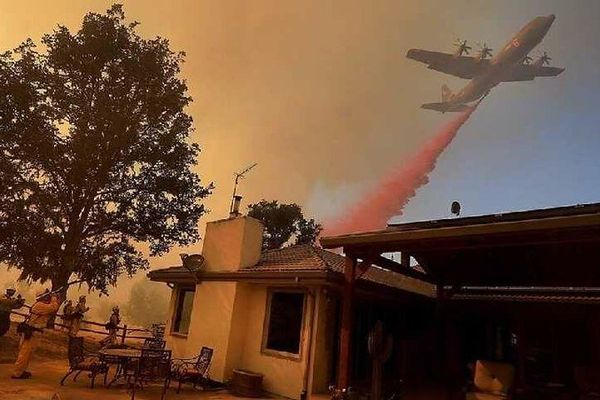
wildfire retardants being sprayed by plane

New evidence links heavy metal pollution with wildfire retardants

“The chemical black box” that blankets wildfire-impacted areas is increasingly under scrutiny.

Stay informed: sign up for The Daily Climate newsletter
Top news on climate impacts, solutions, politics, drivers. Delivered to your inbox week days.