Is it safe to use gas drilling wastewater on Pennsylvania roads for dust and snow control?

This month, Pennsylvania's gas industry council discussed using toxic wastewater from gas drilling on roads for dust and snow control, despite health and environmental risks.

Jake Bolster reports for Inside Climate News.


In Short:

  • The Pennsylvania Grade Crude Development Advisory Council reviewed recent studies highlighting the ineffectiveness and potential dangers of such roadway treatments.
  • In 2016, Pennsylvania prohibited spraying roads with "produced water" (wastewater) containing hazardous chemicals from unconventional fracking gas wells. Since 2018 there's been a moratorium on spraying from conventional wells.
  • Despite the bans, local reports and watchdog groups say wastewater continues to be spread on Pennsylvania roads.

Key Quote:

"The reality is, even though dumping on roads is illegal, it is happening all the time, every day."

– David Hess, former Pennsylvania Department of Environmental Protection secretary

The Big Picture:

Using toxic wastewater on roads releases dangerous chemicals that can seep into water and soil, endangering health.

Researchers have documented drinking water contamination from fracking in Pennsylvania, Ohio, North Dakota and Wyoming. In 2016, the US Environmental Protection Agency concluded the industry posed a threat to the U.S. water supply. Read EHN's award-winning series Fractured to learn more.

Read the entire Inside Climate News story here.

Oil worker in orange uniform and helmet on of background the pump jack and sunset sky.
Credit: bashta/BigStock Photo ID: 24119156

Fossil fuel companies finally accept the climate crisis – just not their role in it

The era of corporate climate denial is over but in courts around the world the big names have shifted strategy.

Unassembled yellow and white wind turbines and towers

Trump’s $1B offshore wind payout to TotalEnergies sparks legal concerns

Offshore wind and legal experts question whether Interior has the authority to reimburse the oil giant for canceled leases, especially if it taps taxpayer dollars.

Japanese fighter jets perform maneuvers in flight formation for military drills.
Credit: Kagenmi/BigStock Photo ID: 312022999

A turning point in the Iran war

The president is discovering the high stakes of an escalation that damages energy facilities.
Computer generated 3D illustration with oil pumps, solar panels and wind turbines.
Credit: MIRO3D/BigStock Photo ID: 147195269

Opinion: The Iran War is revealing the messy middle of our renewable energy transition

When the world map of literal power changes, the political hierarchy shifts, too.

Smokestacks emitting pollution in Harbin, Heilongjiang, China

As it boosts renewables, China still can't break its coal addiction

Despite being a renewables superpower, China continues to permit and build new coal-fired power plants at a rapid pace. Analysts say the nation’s new five-year plan will ensure further coal plant expansion and jeopardize China’s ability to deliver on its climate promises.
A power plant's smokestacks billowing smoke into the air

Surging energy demand helps fuel Trump’s love affair with coal

Keeping coal plants online has become the U.S. grid’s unofficial insurance policy, even as their emissions exacerbate extreme weather.
A dry environment with a dam and a small amount of water in view

Iran was already running out of water. Then came the ‘war on infrastructure’

Military strikes, drought, and a legacy of overpumping are driving Iran’s fragile food and water system to the brink.
From our Newsroom
Multiple Houston-area oil and gas facilities that have violated pollution laws are seeking permit renewals

Multiple Houston-area oil and gas facilities that have violated pollution laws are seeking permit renewals

One facility has emitted cancer-causing chemicals into waterways at levels up to 520% higher than legal limits.

Regulators are underestimating health impacts from air pollution: Study

Regulators are underestimating health impacts from air pollution: Study

"The reality is, we are not exposed to one chemical at a time.”

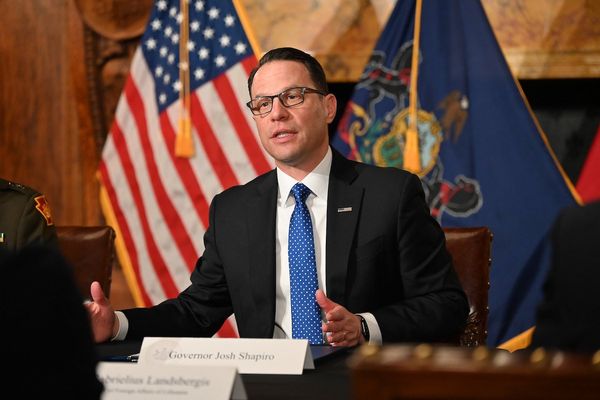
Pennsylvania governor Josh Shapiro speaks with the state flag and American flag behind him.

Two years into his term, has Gov. Shapiro kept his promises to regulate Pennsylvania’s fracking industry?

A new report assesses the administration’s progress and makes new recommendations

silhouette of people holding hands by a lake at sunset

An open letter from EPA staff to the American public

“We cannot stand by and allow this to happen. We need to hold this administration accountable.”

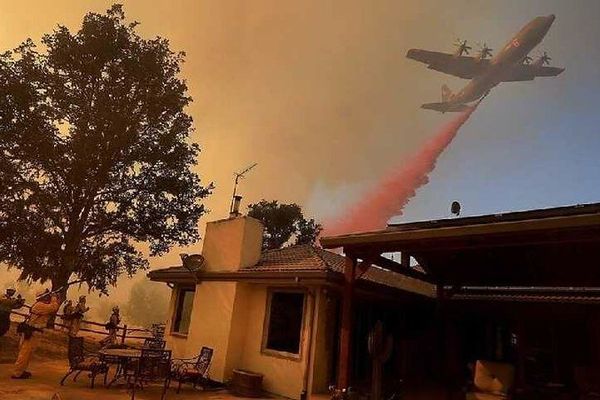
wildfire retardants being sprayed by plane

New evidence links heavy metal pollution with wildfire retardants

“The chemical black box” that blankets wildfire-impacted areas is increasingly under scrutiny.

Stay informed: sign up for The Daily Climate newsletter
Top news on climate impacts, solutions, politics, drivers. Delivered to your inbox week days.