Fossil fuel lobbyists helped push anti-protest laws nationwide

Fossil fuel companies and lawmakers collaborated across multiple states to pass laws imposing harsher penalties for peaceful protests, aiming to deter climate activists.

Hilary Beaumont and Nina Lakhani report for The Guardian.


In short:

  • Emails reveal fossil fuel lobbyists influenced laws in states like Utah, West Virginia and Ohio, criminalizing civil disobedience near energy infrastructure.
  • Many of these laws were shaped following the 2016 Dakota Access pipeline protests, with penalties up to 10 years in prison.
  • Critics argue these laws undermine First Amendment rights, turning minor infractions into serious felonies.

Key quote:

“Existing legislation is being misused...to criminalize peaceful acts calling for real action to combat climate change.”

— Mary Lawlor, UN special rapporteur on human rights defenders.

Why this matters:

Anti-protest laws threaten free speech and peaceful demonstration, essential for holding governments and corporations accountable on climate action. By criminalizing activism, these laws could stifle efforts to address the urgent climate crisis.

Related: Activists call for politicians to sever ties with fossil fuel industries

Rows of rolled up hundred-dollar U.S. bills on a blue surface

US pushes World Bank climate target to the brink

The fate of a World Bank climate target is hanging in the balance as the Trump administration pressures the institution to jettison what it calls a “distortionary” and “nonsensical” policy.

The interior of a data center with rows of servers stretching into the distance

The data center backlash is bipartisan. Can it stay that way?

As opposition mounts, some experts wonder how long AI infrastructure can steer clear of the partisanship that defines U.S. politics.
Industrial warehouse covered with solar panels

Community solar needs space to grow. Warehouse rooftops have lots of it

Industrial buildings could host gigawatts of shared solar to deliver low-cost power to underserved urban communities — if states and utilities allow it to scale up.

An Asian worker kneeling in front of a server with a laptop

China's push for green power use in AI projects faces hurdles, experts say

Ensuring reliable electricity for AI-focused data centers has become a strategic priority, underscored in China's 2026 government work report.

Smoky rainforest fire

A missing piece in climate models: nature’s own emissions

Rising temperatures are set to drive up emissions from wildfires, fermenting wetlands, and melting permafrost, but these feedback loops are poorly captured in climate models. Scientists are racing to make sense of these emissions to gauge how much warming may lie ahead.
Two workmen installing solar panels on a rooftop

Leasing rooftop solar panels for your home can be better than buying them

The end of federal tax credits for rooftop solar and flexible new subscriptions have changed the pros and cons of leasing versus buying.
Protective sea wall sheltering multiple boats at harbor

Report on effects of hardened shorelines offers no easy fix

As bills to undo 40 years of coastal policy loom in Raleigh, North Carolina, the Coastal Resources Commission Science Panel last week presented its draft report on erosion-control structures and advised careful consideration of any new projects.

From our Newsroom
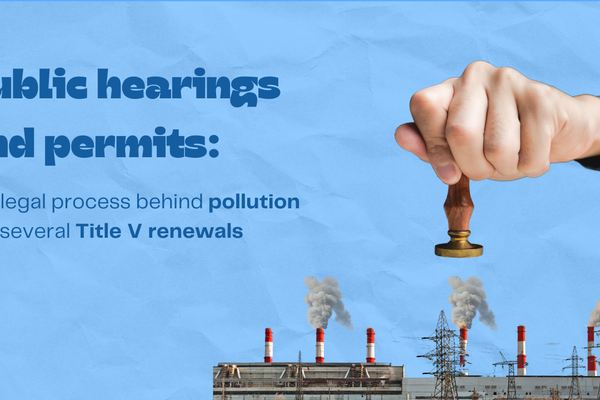
Multiple Houston-area oil and gas facilities that have violated pollution laws are seeking permit renewals

Multiple Houston-area oil and gas facilities that have violated pollution laws are seeking permit renewals

One facility has emitted cancer-causing chemicals into waterways at levels up to 520% higher than legal limits.

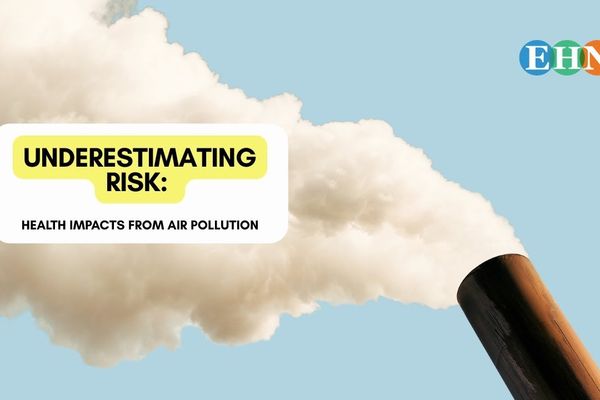
Regulators are underestimating health impacts from air pollution: Study

Regulators are underestimating health impacts from air pollution: Study

"The reality is, we are not exposed to one chemical at a time.”

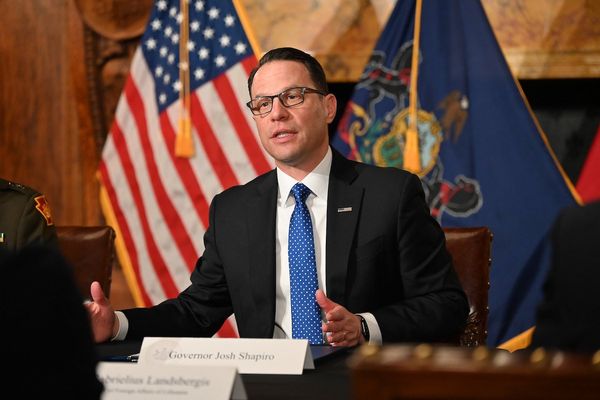
Pennsylvania governor Josh Shapiro speaks with the state flag and American flag behind him.

Two years into his term, has Gov. Shapiro kept his promises to regulate Pennsylvania’s fracking industry?

A new report assesses the administration’s progress and makes new recommendations

silhouette of people holding hands by a lake at sunset

An open letter from EPA staff to the American public

“We cannot stand by and allow this to happen. We need to hold this administration accountable.”

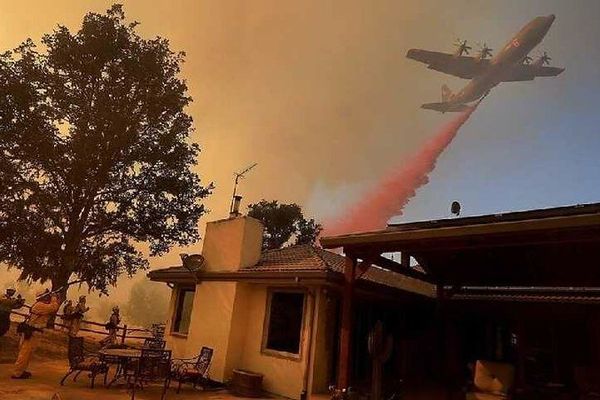
wildfire retardants being sprayed by plane

New evidence links heavy metal pollution with wildfire retardants

“The chemical black box” that blankets wildfire-impacted areas is increasingly under scrutiny.

Stay informed: sign up for The Daily Climate newsletter
Top news on climate impacts, solutions, politics, drivers. Delivered to your inbox week days.