Florida's Senate candidates differ sharply on climate views

Democratic challenger Debbie Mucarsel-Powell and Republican incumbent Rick Scott present voters with starkly different approaches to climate policy as they vie for Florida's U.S. Senate seat.

Amy Green reports for Inside Climate News.


In short:

  • Rick Scott, who as governor allegedly banned the term "climate change" in state agencies, has historically downplayed environmental action, focusing on economic growth instead.
  • Debbie Mucarsel-Powell emphasizes climate-resilient infrastructure and addressing sea level rise, citing Florida’s vulnerability to climate change impacts.
  • Recent polls show a tight race, with Florida potentially determining control of the U.S. Senate and the future of climate legislation like the Inflation Reduction Act.

Key quote:

“Scott really seemed not to do much to help the environment and instead seemed to go out of his way to do things to hurt the environment. He was just so focused on economic development, it was to the exclusion of everything else.”

— Aubrey Jewett, School of Politics, Security and International Affairs at the University of Central Florida

Why this matters:

Florida is highly exposed to climate risks, including rising sea levels and stronger hurricanes. The election's outcome could influence U.S. climate policy, especially regarding clean energy investments and environmental regulations.

Related: Opinion: How Gov. Scott quietly stole Florida's future.

Low rows of plants in an agricultural field with trees on hills in the distance

Climate change is heating up Georgia, farmers find ways to adapt

What hotter summers mean for Georgia farms and the changes already underway, according to experts.
Aerial view of a lake with reddish rock formations in the center and perimeter of it

America’s second largest reservoir is at a record low, putting electricity supply at risk for millions

Lake Powell and Lake Mead are the nation’s largest reservoirs and provide water to approximately 35 to 40 million people.

Inside of a data center with black computers on either side of a pathway to walk through

Opinion: Meta hides data center info as it pushes more risks to Entergy’s customers

Meta’s Louisiana data center expansion could require seven additional gas plants as regulators examine transparency, infrastructure costs and risks to ratepayers.
Busy street in Dhaka Bangladesh with brick buildings and rickshaws in the street

Despite energy crisis, Bangladesh’s factories are slow to adopt solar power

Less than one-third or 31% of the garment factories in Bangladesh have adopted renewable energy technologies, including rooftop solar, despite the sector having significant potential.

An illustration of the top of a human head with the brain exposed showing a maze

The cognitive bias behind bad climate math

A new study finds two persistent mental shortcuts — not ignorance — are why people keep overrating recycling and underrating flying less.

From our Newsroom
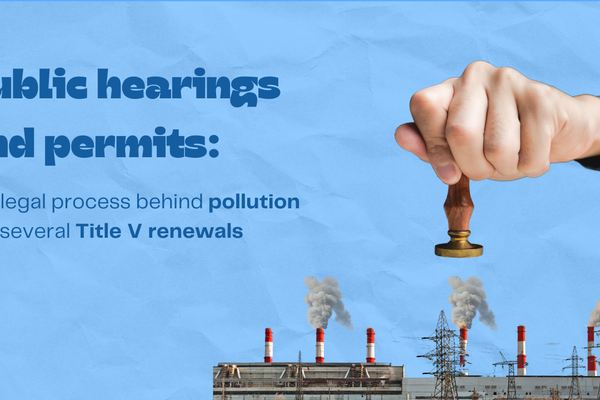
Multiple Houston-area oil and gas facilities that have violated pollution laws are seeking permit renewals

Multiple Houston-area oil and gas facilities that have violated pollution laws are seeking permit renewals

One facility has emitted cancer-causing chemicals into waterways at levels up to 520% higher than legal limits.

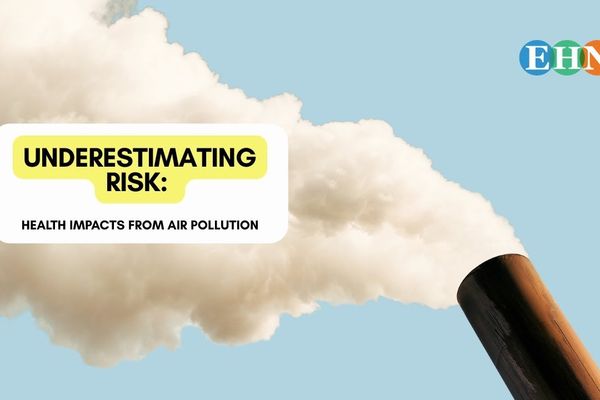
Regulators are underestimating health impacts from air pollution: Study

Regulators are underestimating health impacts from air pollution: Study

"The reality is, we are not exposed to one chemical at a time.”

Pennsylvania governor Josh Shapiro speaks with the state flag and American flag behind him.

Two years into his term, has Gov. Shapiro kept his promises to regulate Pennsylvania’s fracking industry?

A new report assesses the administration’s progress and makes new recommendations

silhouette of people holding hands by a lake at sunset

An open letter from EPA staff to the American public

“We cannot stand by and allow this to happen. We need to hold this administration accountable.”

wildfire retardants being sprayed by plane

New evidence links heavy metal pollution with wildfire retardants

“The chemical black box” that blankets wildfire-impacted areas is increasingly under scrutiny.

Stay informed: sign up for The Daily Climate newsletter
Top news on climate impacts, solutions, politics, drivers. Delivered to your inbox week days.