Finding balance in solar power development and wildlife preservation

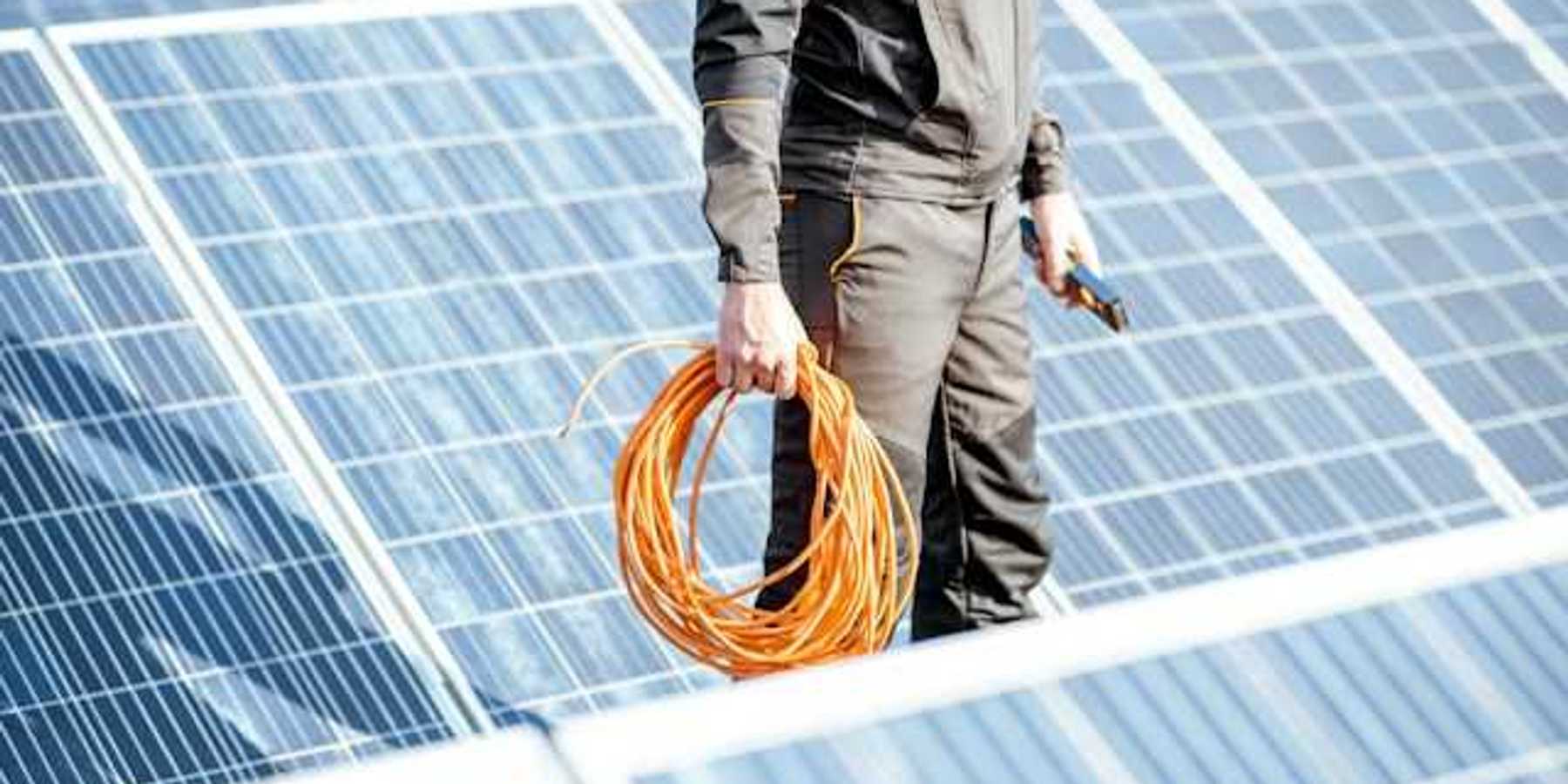
As the U.S. forges ahead with solar energy expansion, a complex challenge emerges: how to balance this growth with the protection of vital wildlife habitats.

Catrin Einhorn reports for The New York Times.


In short:

  • Solar energy expansion in the U.S. risks habitat loss for wildlife, with millions of acres potentially fenced off for solar panels.
  • While some solar developments implement wildlife-friendly practices, such as permeable fences and wildlife corridors, these measures are often overlooked due to regulatory patchworks and lack of research.
  • A case study in Arizona explores coexistence strategies, including tracking wildlife interaction with solar farms and designing installations to minimize habitat disruption.

Key quote:

"We’re faced with two truths: We have a climate change crisis, but we also have a biodiversity crisis,"

— Meaghan Gade, program manager at the Association of Fish & Wildlife Agencies.

Why this matters:

As the U.S. accelerates toward renewable energy, balancing environmental preservation with sustainable development becomes crucial. This article highlights the intersection of two critical global challenges: combating climate change and protecting biodiversity, emphasizing the need for thoughtful, integrated solutions for a sustainable future.

Derrick J. Jackson: Solving the climate crisis will help both ‘sacrifice zones’ and ‘cute’ puffins.

A photo of snow-capped French alps during the golden hour

Heatwave in France: 2026 sets record for rockfalls in the Alps

The summer of 2026 saw an unprecedented wave of landslides in the French Alps, especially around Mont Blanc, driven by extreme heat and thawing permafrost.
Three small vials of blood two with red caps and one with a blue cap

How climate change is messing with your blood

Our blood chemistry is changing as carbon emissions rise, reveals a new study.
An overhead view of eight protein powder packages

As whey gains, will dairy’s footprint follow?

At the center of protein maxxing, whey products require energy-intensive processing and emissions-intensive milk and cheese production, with climate consequences if unchecked.
Two women planting cacao seeds in bags under a greenhouse roof

Filipino cacao growers learn to live with a hotter climate

In “Chocolates Melting Away”, Breech Asher Harani explores how cacao growers in the Philippines are developing new techniques to protect their crops from increasingly turbulent weather.

A roof with broken solar panels on it

Trashed solar panels will be a treasure worth up to $1 trillion

A huge new study charted 1,708 recycling scenarios across 32 regions and found a way to turn a looming waste crisis into a circular-economy windfall.
Children sitting in a classroom with books on their desks

How Florida quietly removed climate change content from textbooks

Publishers acceded to Florida's requests, watering down information on climate change’s impact; now the state has turned to updating its science standards.

View of a beige farm field with green trees in the background

As Europe bakes, momentum grows for climate-resilient farming

With Britain about to record its hottest summer yet, Sam Squier's nearly 200-acre beef farm in south east England stands out as a lush, green oasis surrounded by scorched brown fields.
From our Newsroom
Multiple Houston-area oil and gas facilities that have violated pollution laws are seeking permit renewals

Multiple Houston-area oil and gas facilities that have violated pollution laws are seeking permit renewals

One facility has emitted cancer-causing chemicals into waterways at levels up to 520% higher than legal limits.

Regulators are underestimating health impacts from air pollution: Study

Regulators are underestimating health impacts from air pollution: Study

"The reality is, we are not exposed to one chemical at a time.”

Pennsylvania governor Josh Shapiro speaks with the state flag and American flag behind him.

Two years into his term, has Gov. Shapiro kept his promises to regulate Pennsylvania’s fracking industry?

A new report assesses the administration’s progress and makes new recommendations

silhouette of people holding hands by a lake at sunset

An open letter from EPA staff to the American public

“We cannot stand by and allow this to happen. We need to hold this administration accountable.”

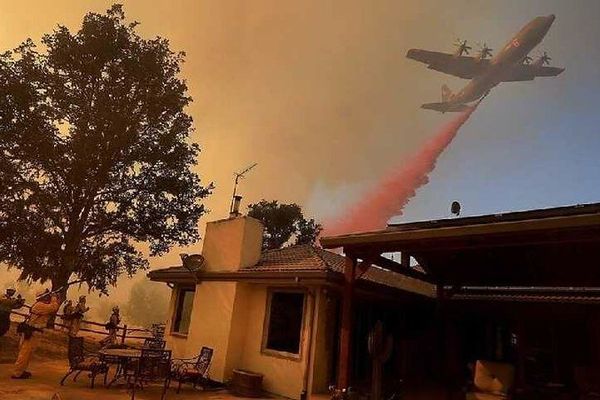
wildfire retardants being sprayed by plane

New evidence links heavy metal pollution with wildfire retardants

“The chemical black box” that blankets wildfire-impacted areas is increasingly under scrutiny.

Stay informed: sign up for The Daily Climate newsletter
Top news on climate impacts, solutions, politics, drivers. Delivered to your inbox week days.