FEMA faces potential funding shortfall amid increasing natural disasters

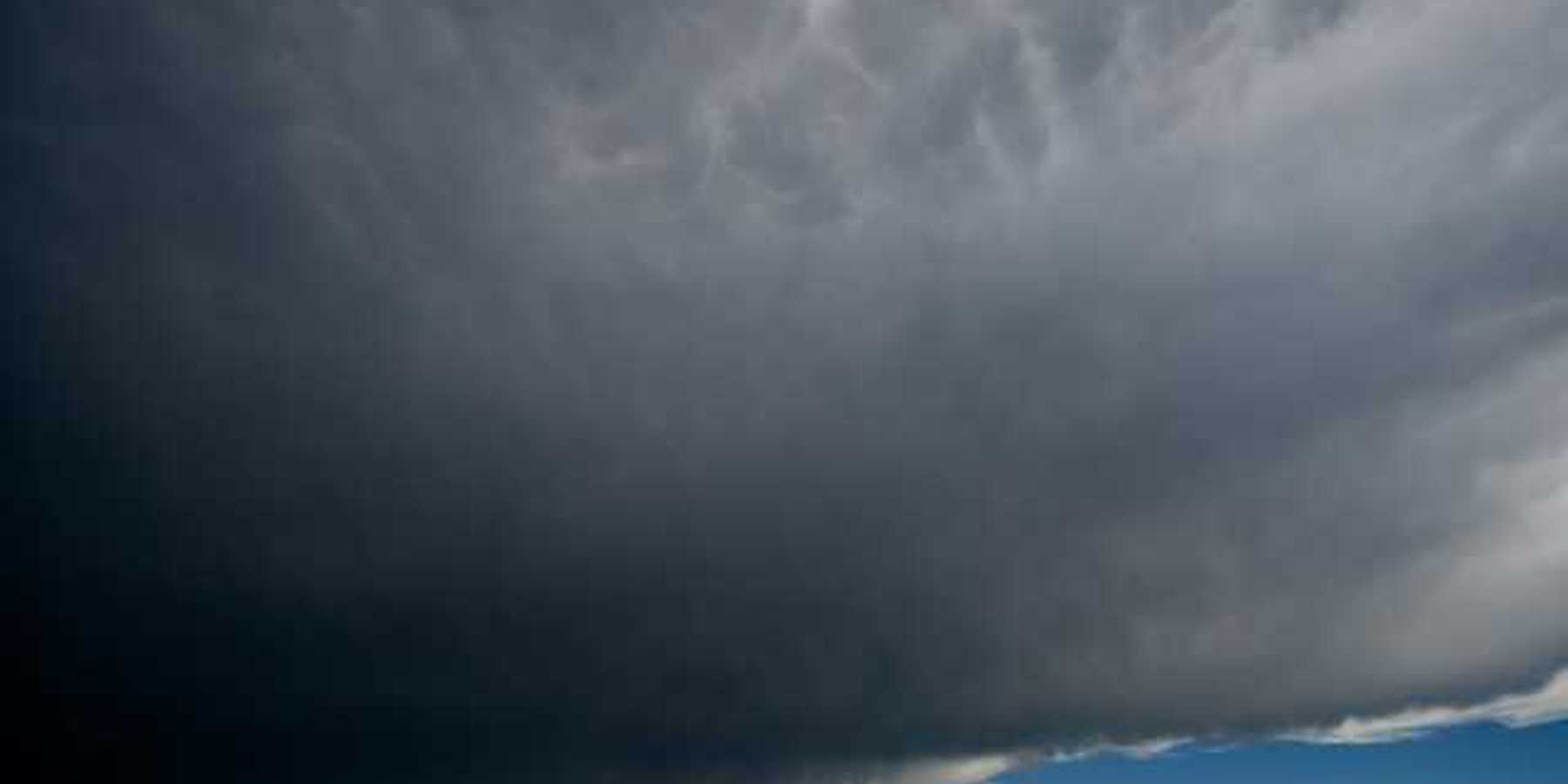
With hurricanes and heat waves growing more severe, FEMA's funding might deplete before summer's end.

Kristin Toussaint reports for Fast Company.


In short:

  • Record-high ocean temperatures predict an intense hurricane season with up to 25 named storms and 4-7 major hurricanes.
  • FEMA's disaster relief fund is projected to face a $1.3 billion shortfall by August and could be $6.8 billion in deficit by September.
  • The agency may need to pause long-term recovery projects to manage immediate disaster responses, impacting overall disaster management.

Key quote:

"Without additional funding, FEMA will take steps prior to funding exhaustion to ensure resources are available to support ongoing lifesaving and life-sustaining activities."

— FEMA spokesperson

Why this matters:

The rising intensity of these weather events has stretched FEMA's resources thin. Just last year, the agency grappled with a series of devastating hurricanes and wildfires, and this year's forecasts suggest more of the same. With hurricane season in full swing and unprecedented heat waves scorching the nation, FEMA's budget, which must cover immediate disaster response and long-term recovery efforts, is under immense strain.


A row of gas towers flaring smoke and fire into the air

Global move away from oil could lead to conflict and migration, experts say

Researchers urge governments to help the worst afflicted countries, such as Nigeria and Algeria, which rely on oil revenues for public services.

A rendering of a large mosquito in the palm of a human hand

One effect of climate change: More rats, ticks, and mosquitoes — and more disease

This summer's weather has been a vivid reminder that climate disruption is bringing cycles of dry spells, high heat, and heavy rains to the Chicago region.

All subway system in New York closed as a result of of Hurricane Sandy on October 29 2012
Credit: kobby_dagan/BigStock Photo ID: 52608889

New York’s subways weren’t built for this

In an era of heavy rain, a transit system with 47,000 openings is bound to leak.
A glacier shown between two low mountain ranges

Why it's so hard to predict a tragedy like Nepal's glacier collapse

Melting glaciers spell disaster around the world. Protecting people will be a challenge for decades to come.
A farm worker harvesting peppers from tall plants

A mysterious kidney disease has arrived in Texas

The condition, linked to heat on a warming planet, is affecting laborers from Central America and Mexico. As scientists race to track the growing epidemic, its victims have been driven further into hiding.
From our Newsroom
Multiple Houston-area oil and gas facilities that have violated pollution laws are seeking permit renewals

Multiple Houston-area oil and gas facilities that have violated pollution laws are seeking permit renewals

One facility has emitted cancer-causing chemicals into waterways at levels up to 520% higher than legal limits.

Regulators are underestimating health impacts from air pollution: Study

Regulators are underestimating health impacts from air pollution: Study

"The reality is, we are not exposed to one chemical at a time.”

Pennsylvania governor Josh Shapiro speaks with the state flag and American flag behind him.

Two years into his term, has Gov. Shapiro kept his promises to regulate Pennsylvania’s fracking industry?

A new report assesses the administration’s progress and makes new recommendations

silhouette of people holding hands by a lake at sunset

An open letter from EPA staff to the American public

“We cannot stand by and allow this to happen. We need to hold this administration accountable.”

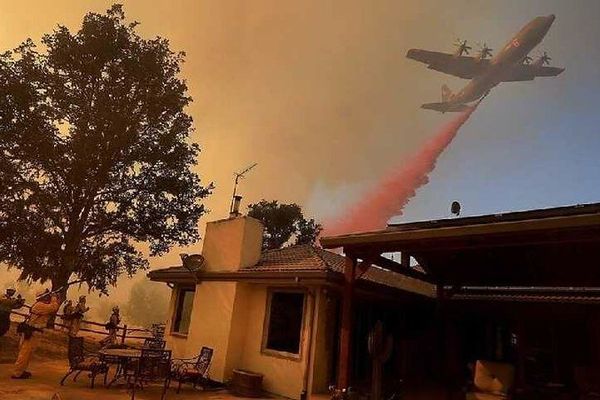
wildfire retardants being sprayed by plane

New evidence links heavy metal pollution with wildfire retardants

“The chemical black box” that blankets wildfire-impacted areas is increasingly under scrutiny.

Stay informed: sign up for The Daily Climate newsletter
Top news on climate impacts, solutions, politics, drivers. Delivered to your inbox week days.