Faith groups bring aid and evangelism after disasters

Churches and faith-based organizations in Appalachia have become critical responders to Hurricane Helene's devastation, blending aid with evangelism in ways that have both inspired and unsettled communities.

Katie Myers reports for Grist.


In short:

  • Faith-based groups have played a central role in providing disaster relief after Hurricane Helene, offering supplies, home repairs and financial assistance.
  • Some relief efforts include a focus on evangelism, leading to tension with recipients who feel uncomfortable with religious outreach.
  • Churches and religious networks are crucial in rural areas, leveraging their community ties and adaptability to fill gaps left by federal and state agencies.

Key quote:

“Helpers that come into crisis situations, whether you are faith based or religious or not, you have a lot of power in that situation.”

— Sarah Ogletree, disaster relief coordinator

Why this matters:

Faith-based organizations often step in where government responses fall short, offering lifesaving aid. However, blending aid with proselytizing can create barriers to equitable assistance. Understanding this dynamic is essential as disasters increase in frequency and severity.

Related: Hurricane Helene’s aftermath leaves rural water systems in crisis

An illustration of a house with batteries hooked up to rooftop solar panels

A €100 billion queue: Why Europeans are waiting years for clean energy

Providing affordable clean energy to Europeans has become an “absolute obstacle course” due to the continent’s congested grid.
A person's hand holding a gas pump while pumping gas into car

Ferguson rebuffs GOP lawmaker’s call to pause Washington state climate law

Gov. Bob Ferguson is rejecting a lead Republican’s proposal to temporarily suspend Washington’s cap-and-trade program to decrease prices at the pump. 
Elderly white man in a pool drinking from a straw

Summertime is getting more dangerous for people with diabetes

Extreme heat can destabilize glucose control – but millions of Americans can’t afford the air conditioning that could keep them safe, two health experts warn.
An overhead view of a table covered with electronic waste

To complete its green transition, EU should mine its trash

Lithium in old batteries. Cobalt in discarded electronics. The rare earths in retired wind turbines. A landmark EU-funded study finds these buried materials could supply over half of what the clean energy economy will need.
A person inserting a charger into an electric vehicle

The hidden cost of owning an EV: Expensive insurance

Electric vehicle insurance costs an average of 42 percent more than it does for other cars, in part because of their complexity.
An oil drill pump jack against a sunset sky

Toxic ground: Inside Oklahoma’s massive oil field wastewater crisis

Watch how a legacy of oil drilling and regulatory failure destroyed one Oklahoma family’s dream home and contaminated another family’s drinking water.
Hand holding a remote control directed at a wall-mounted mini-split heating unit

DOE restarts home efficiency rebates, and electrification is the biggest loser

New rules for the $8.8 billion in program funding no longer promote electric home heating.
From our Newsroom
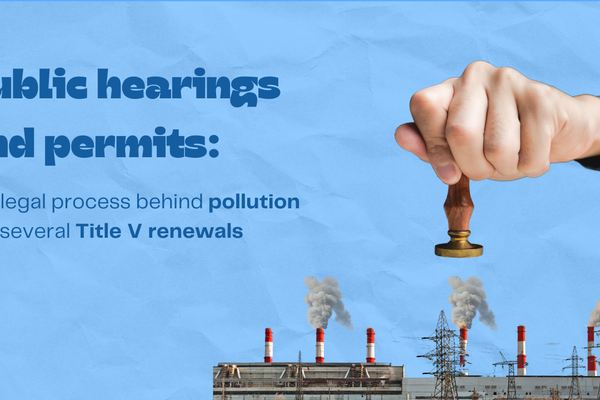
Multiple Houston-area oil and gas facilities that have violated pollution laws are seeking permit renewals

Multiple Houston-area oil and gas facilities that have violated pollution laws are seeking permit renewals

One facility has emitted cancer-causing chemicals into waterways at levels up to 520% higher than legal limits.

Regulators are underestimating health impacts from air pollution: Study

Regulators are underestimating health impacts from air pollution: Study

"The reality is, we are not exposed to one chemical at a time.”

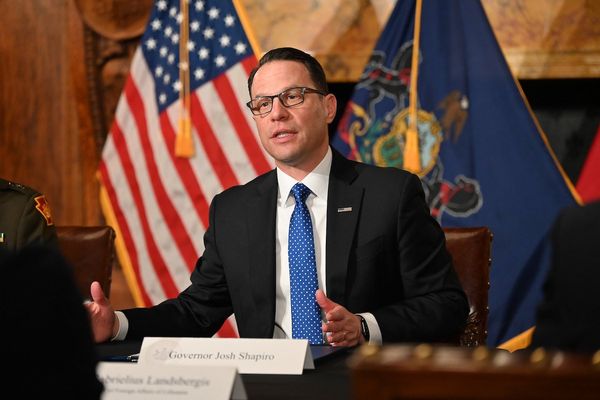
Pennsylvania governor Josh Shapiro speaks with the state flag and American flag behind him.

Two years into his term, has Gov. Shapiro kept his promises to regulate Pennsylvania’s fracking industry?

A new report assesses the administration’s progress and makes new recommendations

silhouette of people holding hands by a lake at sunset

An open letter from EPA staff to the American public

“We cannot stand by and allow this to happen. We need to hold this administration accountable.”

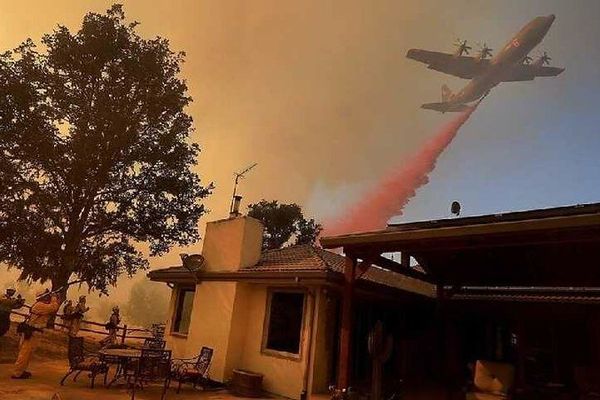
wildfire retardants being sprayed by plane

New evidence links heavy metal pollution with wildfire retardants

“The chemical black box” that blankets wildfire-impacted areas is increasingly under scrutiny.

Stay informed: sign up for The Daily Climate newsletter
Top news on climate impacts, solutions, politics, drivers. Delivered to your inbox week days.