Decades-old oil industry magazine predicted climate crisis, starvation

In 1977, a publication by a predecessor of Marathon Petroleum warned that rising global temperatures could cause severe economic and social disruptions, including widespread starvation.

Geoff Dembicki reports for The Guardian.


In short:

  • The 1977 article from Marathon Petroleum's predecessor predicted climate-related disasters due to industrial expansion.
  • The lawsuit claims Marathon and other companies concealed their knowledge of climate risks for decades.
  • Marathon is accused of opposing climate policies while privately acknowledging the dangers of carbon emissions.

Key quote:

"The climate is not going to get better, only worse. Over the long haul, we are going to have to brace ourselves for the prospect of a lot of poor harvests."

— J Murray Mitchell, NOAA scientist

Why this matters:

Companies like Marathon Petroleum knew about climate change risks long ago but continued to prioritize profit over environmental responsibility. Understanding this history is vital for holding them accountable and addressing current climate challenges.

A woman standing next to brown and dried corn stalks

Seasonal patterns that farmers trusted for generations have suddenly turned unpredictable

Intense rains, extreme heat, and unstoppable pests are wiping out crops around the world as climate change scrambles the weather.

Three people on horses riding over a grassy hill toward mountains

How Indigenous tribes are leading climate action in Montana

The Confederated Salish and Kootenai Tribes are moving forward with their climate plan despite the loss of state support and federal funding.
A row of wind turbines against a blue sky

Feds cite national security to stall 54 Texas wind projects

After years of trying to stop offshore wind projects, the Trump administration is now pausing routine federal permits for 165 land-based projects, including dozens in Texas.
A smokestack with smoke billowing from the top of it

California may give Big Oil billions in free climate permits

A new carbon market proposal could send billions in free permits to industry while cutting money for California programs.
A view of the Great Salt Lake with mountains in the background

Utah's fragile desert could feel like the Sahara if America's biggest data center gets built

The Great Salt Lake is drying up. What happens when a data center as large as Washington, D.C., sits next to it?
Setting sun at dusk against a red-orange sky

A closely guarded plan to cool Earth is revealed

A geoengineering company would use tiny specks of silica to block the sun's rays — and make billions of dollars.

Woman in waders standing shin-deep in southeastern swamp

How a ‘model’ for climate migration became a cautionary tale

The residents of Isle de Jean Charles in Louisiana found safety after moving to higher ground. But the experience left some of them warning others facing relocation: ‘Don’t do it.’
From our Newsroom
Multiple Houston-area oil and gas facilities that have violated pollution laws are seeking permit renewals

Multiple Houston-area oil and gas facilities that have violated pollution laws are seeking permit renewals

One facility has emitted cancer-causing chemicals into waterways at levels up to 520% higher than legal limits.

Regulators are underestimating health impacts from air pollution: Study

Regulators are underestimating health impacts from air pollution: Study

"The reality is, we are not exposed to one chemical at a time.”

Pennsylvania governor Josh Shapiro speaks with the state flag and American flag behind him.

Two years into his term, has Gov. Shapiro kept his promises to regulate Pennsylvania’s fracking industry?

A new report assesses the administration’s progress and makes new recommendations

silhouette of people holding hands by a lake at sunset

An open letter from EPA staff to the American public

“We cannot stand by and allow this to happen. We need to hold this administration accountable.”

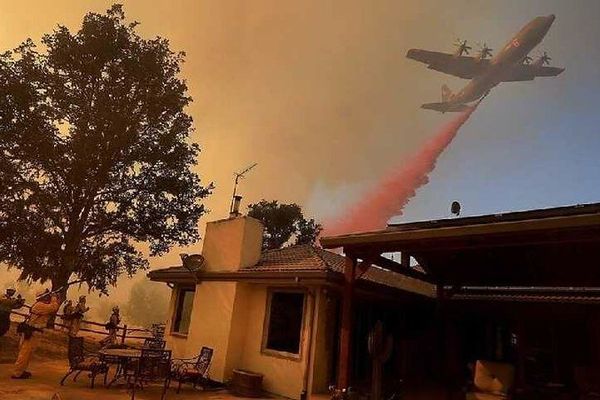
wildfire retardants being sprayed by plane

New evidence links heavy metal pollution with wildfire retardants

“The chemical black box” that blankets wildfire-impacted areas is increasingly under scrutiny.

Stay informed: sign up for The Daily Climate newsletter
Top news on climate impacts, solutions, politics, drivers. Delivered to your inbox week days.