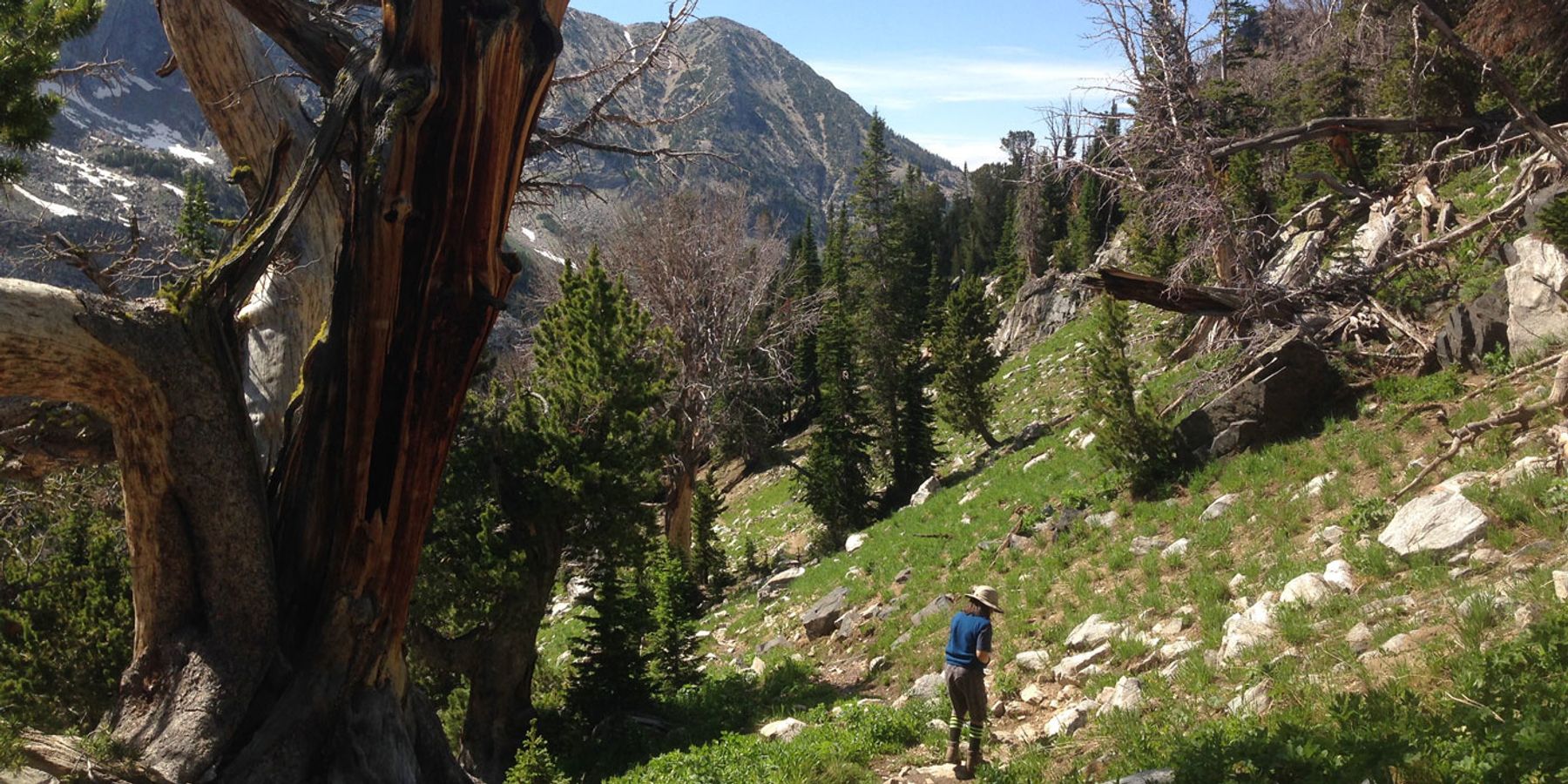
Whitebark pine in Montana's Gallatin National Forest
Douglas Fischer/Daily Climate

Science journalism in a coronavirus world

Stay safe and healthy in these difficult, uncertain times.

A note from executive director Douglas Fischer.

The pace of change, and the sacrifices required, by the COVID-19 virus were unimaginable just a week ago.

But then a week ago Italy had a functioning medical system.

At EHS, publisher of both the EHN.org and DailyClimate.org, we remain committed to bringing you the best science journalism about our environment and health. We will be working hard to bring you up-to-date information about the environmental and science angles of the disease: What happens when we dismantle the science infrastructure in the federal government? How is this disease (and other "spillover" pathogens) an indicator of stressed and fractured ecosystems?

More significantly, know that we are with you as you make difficult transitions – working from home, virtual playdates, too much screen time for kids, no school or restaurants or movies – and deal with far more significant matters, like lost income or protecting vulnerable parents, grandparents, neighbors from harm.

We may be practicing social distancing, but we are a community engaged in the hard work of building a sustainable, safer future for our children. And as with trees in a forest, our power, resilience and strength rests with the group, not the individuals.

So please let us know how we can help: What light can we shine, and where? What questions can we answer? We want to hear how we can help serve you better.

We are a small nonprofit newsroom, but we punch above our weight. I'm proud of our team for keeping the news flowing to you. I'm proud of you for being engaged. Thanks for trusting us to keep you informed.
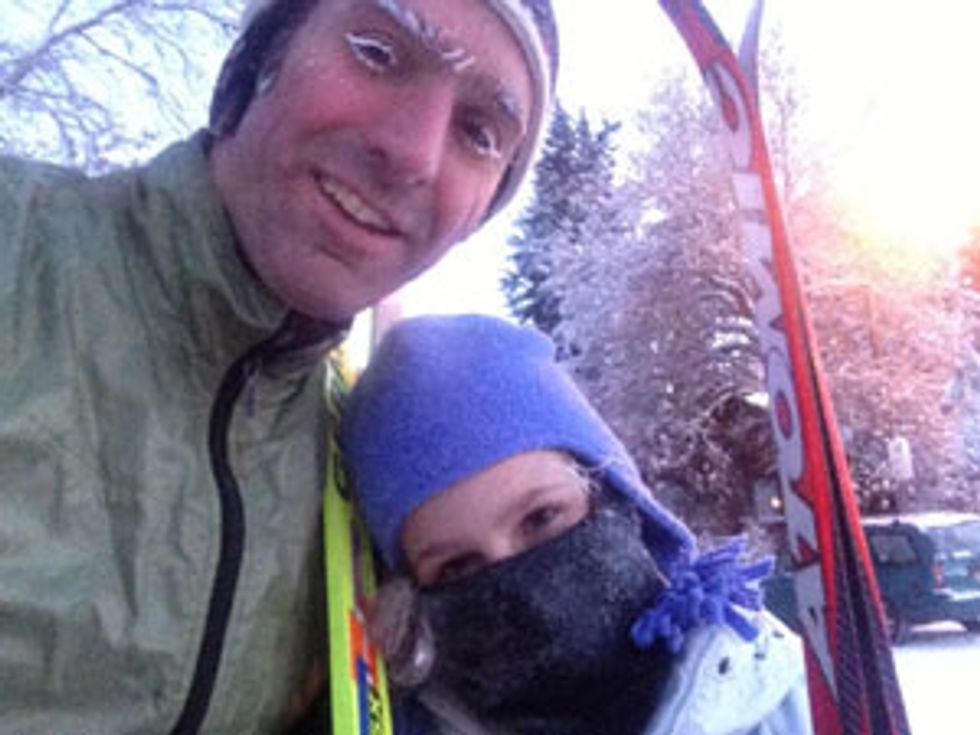

A cold ski with Georgi Fischer

Douglas Fischer
Bozeman, Montana
feedback@ehsciences.org

white egret flying over wetland with trees in background.

From invasive species tracking to water security – what’s lost with federal funding cuts at US Climate Adaptation Science Centers

The people who manage America’s aquifers, wetlands, shorelines and recreation areas rely on federal science as they face new and rising risks in a changing climate.
silhouette of a girl facing sunset, golden sky and water

Who’s ready to think about blocking out the sun?

The idea of artificially lowering the planet’s temperature is gaining supporters and hitting political opposition.
Chest-down person in white protective suit and rubber boots carrying metal case, walking a shoreline.
Credit: Getty Images For Unsplash+

From invasive species tracking to water security – what’s lost with federal funding cuts at US Climate Adaptation Science Centers

The people who manage America’s aquifers, wetlands, shorelines and recreation areas rely on federal science as they face new and rising risks in a changing climate.
offshore drilling platform
Photo by Zach Theo on Unsplash

Interior skips NEPA analysis for offshore drilling expansion

All prior five-year drilling plans — dating back to 1980 — reference National Environmental Policy Act analyses.
Workers loading scrap metal onto a truck.

How extreme heat is driving kidney failure in migrant workers

Millions of migrants toil in grueling conditions in the Middle East, where brutal heat contributes to an alarming increase in kidney failure.
solar panel, wind turbines, and nuclear power plant
Credit: jaroslavav/BigStock Photo ID: 83377346

Members of America’s largest power grid can’t agree on how to power data centers

With no consensus among stakeholders, PJM Interconnection’s 10-member board now must craft a policy for surging data-center demand that has already driven up electricity prices for millions.
Large solar field stretching to horizon

Africa's solar power revolution driven by China's investment

Chinese solar equipment has been flooding African markets, partly as a ripple effect of the US-China trade war. It's one of several factors helping the continent gain traction with electrification.
From our Newsroom
Multiple Houston-area oil and gas facilities that have violated pollution laws are seeking permit renewals

Multiple Houston-area oil and gas facilities that have violated pollution laws are seeking permit renewals

One facility has emitted cancer-causing chemicals into waterways at levels up to 520% higher than legal limits.

Regulators are underestimating health impacts from air pollution: Study

Regulators are underestimating health impacts from air pollution: Study

"The reality is, we are not exposed to one chemical at a time.”

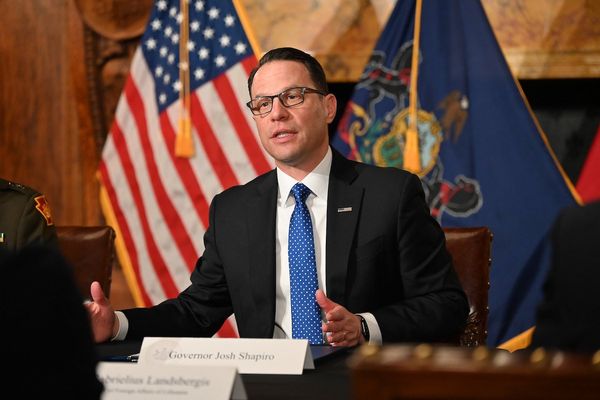
Pennsylvania governor Josh Shapiro speaks with the state flag and American flag behind him.

Two years into his term, has Gov. Shapiro kept his promises to regulate Pennsylvania’s fracking industry?

A new report assesses the administration’s progress and makes new recommendations

silhouette of people holding hands by a lake at sunset

An open letter from EPA staff to the American public

“We cannot stand by and allow this to happen. We need to hold this administration accountable.”

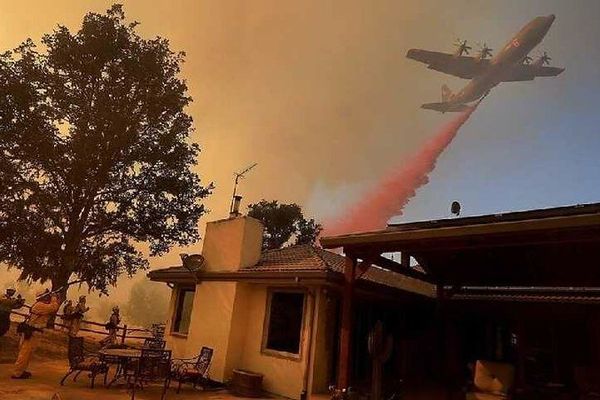
wildfire retardants being sprayed by plane

New evidence links heavy metal pollution with wildfire retardants

“The chemical black box” that blankets wildfire-impacted areas is increasingly under scrutiny.

Stay informed: sign up for The Daily Climate newsletter
Top news on climate impacts, solutions, politics, drivers. Delivered to your inbox week days.