Climate risks may trigger the next housing crisis

Climate change is making U.S. homes riskier investments, as rising insurance costs signal a looming housing bubble that could devastate the economy.

Zoë Schlanger reports for The Atlantic.


In short:

  • Home insurance premiums are climbing nationwide due to increasing climate risks like wildfires and floods.
  • Experts warn that home prices don’t reflect these growing risks, leading to a potential housing bubble.
  • If this bubble bursts, it could cause widespread economic damage, especially in vulnerable regions.

Key quote:

“We’re in a bubble, and whether it deflates slowly, causing some economic pain, or pops suddenly, shocking the country’s economic system, will come down to policy choices that governments make now.”

— Jesse Gourevitch, an environmental economist at the Environmental Defense Fund

Why this matters:

With climate-related disasters becoming more frequent, homeowners face increasing financial risks. Addressing these challenges now could prevent a catastrophic economic collapse in the future.

More: People are moving to risky areas despite climate dangers

A white egret flying over a wetlands area

Tracking 20 years of productivity in tidal wetlands

A new study suggests warming temperatures and increased solar radiation have boosted carbon fixation in tidal wetlands across the country.
An illustration of a house with solar panels and an EV charging station

The overlooked wiring problem in the clean-energy transition

As more households add solar panels, batteries and heat pumps, researchers at Purdue found that running them all on DC power — not the AC current from the wall — could cut energy use and emissions.

A person tossing a bucket full of grapes into a larger container

Drought shrivels French wine harvest prospects

France's scorching summer is stunting grape growth in wine regions including Champagne, Bordeaux and Burgundy, threatening a smaller crop and bringing one of the earliest harvests on record.

Pump-jack mining crude oil against the sunset

Fuel on the fire: Why oil companies are profiting as the world gets dangerously hot

The scientific consensus is that burning fossil fuels drives the climate crisis, yet the world’s biggest oil companies are planning to increase production.

President Trump smiling while displaying a recently signed executive order

Trump wants to fast track AI

There are plans for more than 70 gas-fired power plants across the U.S. to privately serve data centers.

From our Newsroom
Multiple Houston-area oil and gas facilities that have violated pollution laws are seeking permit renewals

Multiple Houston-area oil and gas facilities that have violated pollution laws are seeking permit renewals

One facility has emitted cancer-causing chemicals into waterways at levels up to 520% higher than legal limits.

Regulators are underestimating health impacts from air pollution: Study

Regulators are underestimating health impacts from air pollution: Study

"The reality is, we are not exposed to one chemical at a time.”

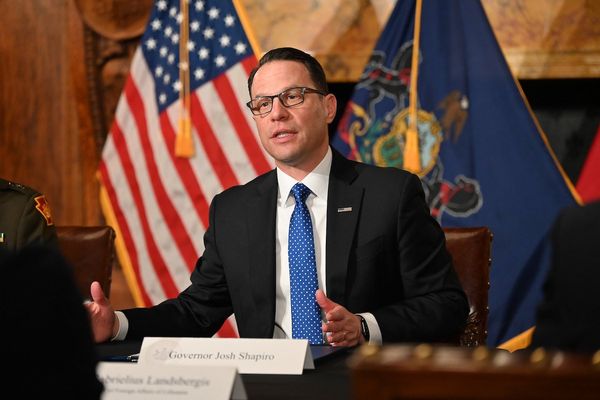
Pennsylvania governor Josh Shapiro speaks with the state flag and American flag behind him.

Two years into his term, has Gov. Shapiro kept his promises to regulate Pennsylvania’s fracking industry?

A new report assesses the administration’s progress and makes new recommendations

silhouette of people holding hands by a lake at sunset

An open letter from EPA staff to the American public

“We cannot stand by and allow this to happen. We need to hold this administration accountable.”

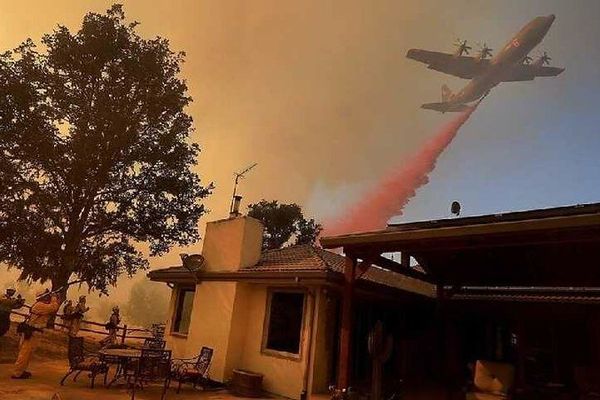
wildfire retardants being sprayed by plane

New evidence links heavy metal pollution with wildfire retardants

“The chemical black box” that blankets wildfire-impacted areas is increasingly under scrutiny.

Stay informed: sign up for The Daily Climate newsletter
Top news on climate impacts, solutions, politics, drivers. Delivered to your inbox week days.