Climate policies need polluters to pay for real impact, study finds

A new study finds that the most effective climate policies require polluters to bear financial costs, revealing that such measures lead to significant reductions in carbon emissions.

Seth Borenstein reports for The Associated Press.


In short:

  • Researchers analyzed 1,500 global climate policies, finding only 63 cases since 1998 where emissions dropped significantly.
  • Policies combining regulations with energy taxes or costs were most successful, particularly in the UK’s electricity sector.
  • Even successful policies have only made a small dent in global carbon emissions, showing the need for more aggressive actions.

Key quote:

“The key ingredient if you want to reduce emissions is that you have pricing in the policy mix.”

— Nicolas Koch, climate economist at the Potsdam Institute for Climate Impact Research

Why this matters:

Effective climate policies that make polluters pay are essential for reducing global emissions, but current efforts are insufficient. Without more robust actions, the world may struggle to meet critical climate targets.

Related EHN coverage:

Glaciers hanging over an alpine lake formed by glacial meltwater

How climate change worsened Nepal's deadly mountain collapse

A glacier and rock collapse in Nepal killed nearly 1,400 people and left thousands missing. Scientists say decades of warming helped set the disaster in motion.
‘Forcing a reckoning’: How Asia is preparing for a ‘supersized’ El Niño

‘Forcing a reckoning’: How Asia is preparing for a ‘supersized’ El Niño

From Sri Lanka to South Korea, governments are preparing for droughts, wildfires, typhoons and floods – with climate plans facing their biggest challenge to date.

Pipelines extending toward a geothermal energy plant with steam rising from it
Credit: joegough/BigStock Photo ID: 11999564

Mazama Energy raises $135M for superhot geothermal at Oregon volcano

The startup hit a milestone last year when it drilled the world’s hottest next-gen geothermal well. Now it’s working to prove its tech can scale commercially.

Items meant to encourage people to vote "YOUR √OTE COUNTS"

These state elections could reshape climate and energy policy

The prospects for state-level climate and energy legislation could hinge on the outcomes of just a few races.
Old buildings stand against a bright blue sky

Europe was the ‘most unusually hot place on the planet’ this summer. Can renewables cool us down?

“These past three months are a warning sign we cannot afford to ignore – the human and economic costs of fossil fuels are playing out in real time.”
Jackson Lake Dam wooden sign

‘This year is different’: The water reality Idaho can no longer ignore

Idaho doesn’t have enough water and natural flows along the Snake River are declining.

A blank billboard against a blue sky with clouds

Advertising contracts with Big Oil hit record high as profits soar from war in Iran

Campaigners say advertising and PR agencies are “nowhere close” to giving up their oil and gas clients.
From our Newsroom
Multiple Houston-area oil and gas facilities that have violated pollution laws are seeking permit renewals

Multiple Houston-area oil and gas facilities that have violated pollution laws are seeking permit renewals

One facility has emitted cancer-causing chemicals into waterways at levels up to 520% higher than legal limits.

Regulators are underestimating health impacts from air pollution: Study

Regulators are underestimating health impacts from air pollution: Study

"The reality is, we are not exposed to one chemical at a time.”

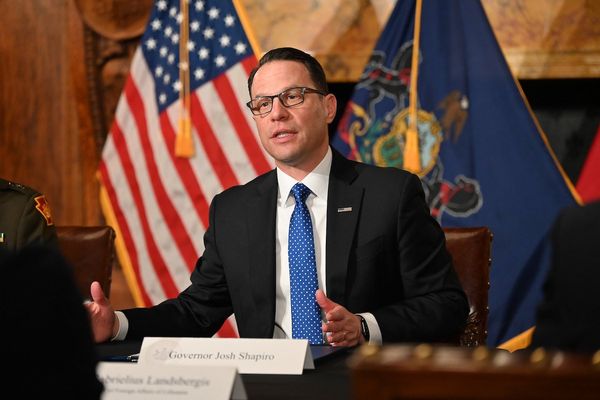
Pennsylvania governor Josh Shapiro speaks with the state flag and American flag behind him.

Two years into his term, has Gov. Shapiro kept his promises to regulate Pennsylvania’s fracking industry?

A new report assesses the administration’s progress and makes new recommendations

silhouette of people holding hands by a lake at sunset

An open letter from EPA staff to the American public

“We cannot stand by and allow this to happen. We need to hold this administration accountable.”

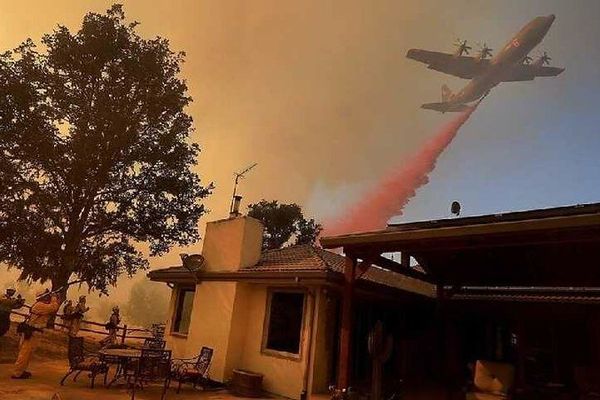
wildfire retardants being sprayed by plane

New evidence links heavy metal pollution with wildfire retardants

“The chemical black box” that blankets wildfire-impacted areas is increasingly under scrutiny.

Stay informed: sign up for The Daily Climate newsletter
Top news on climate impacts, solutions, politics, drivers. Delivered to your inbox week days.