Climate change drives severe winter flooding in the UK

A study confirms that climate change significantly worsened the UK's wettest winter, impacting farmers severely and reducing crop yields.

Mark Poynting and Lucy Vladev report for the BBC.


In short:

  • The UK experienced its second wettest October to March period on record, with extreme rainfall linked to climate change.
  • Farmers like Colin Chappell in Lincolnshire report drastically reduced crop yields due to flooded fields, threatening their livelihoods.
  • Climate models show that such wet winters, previously rare, are now expected every 20 years due to global warming.

Key quote:

“Until the world reduces emissions to net zero, the climate will continue to warm, and rainfall in the UK and Ireland will continue to get heavier.”

— Sarah Kew, researcher at the Royal Netherlands Meteorological Institute

Why this matters:

The increased frequency of extreme weather events poses significant challenges for agriculture, impacting food production and farm viability. Farmers across the UK have reported substantial losses, with fields transformed into quagmires, making planting and harvesting nearly impossible. The reduced crop yields affect the agricultural economy, but also have broader implications for food security and prices, potentially hitting consumers' pockets.

Be sure to read EHN’s related coverage:

  • Climate change will continue to widen gaps in food security, new study finds
  • How climate change is stunting farm production
  • Climate change could slash staple crops
  • Flooded coastal neighborhood. Partially submerged homes and structures.

    As seas rise, scientists race to save coastal marshes from drowning

    A majority of coastal wetlands are on track to shift inland or disappear in the coming decades without intervention. That will have major consequences.
    Farmer squatting in harvested section of corn field and adjacent to unharvested corn stalks.

    How to feed the world as temperatures rise

    Inside futuristic labs, plants are scanned, stressed and analyzed. The aim is to use the results to produce plant strains that can better serve a growing population in a warming world.
    Londoners crossing the street in front of an iconic red double decker bus and three lanes of stopped traffic
    Credit: photo.ua/BigStock Photo ID:

    Ulez led to better lung size and function among London children, study finds

    Researchers find lung capacity that was stunted by pollution is restored after the introduction of an ultra-low emission zone.

    Poultry farm with broiler breeder chickens. Blue-suited people walking through an indoor confinement area surrounded by intensely crowded white chickens.
    Credit: chayakorn76/BigStock Photo ID: 256251157

    North Carolina poultry industry grows as manure oversight lags, report finds

    North Carolina’s poultry industry continues to add more birds to already highly concentrated barns, generating millions of tons of manure that is largely unregulated by the state, according to a new report. 
    Marathon oil refinery, Los Angeles. Petroleum, chemicals and gasoline factory. American flag and smokestacks of industrial petrochemicals plant.
    Credit: DogoraSun/BigStock Photo ID:

    El Paso officials seek answers following emissions at Marathon refinery

    Flaring earlier this month released carcinogenic compounds. Now elected officials are seeking answers from environmental regulators.
    Low rows of plants in an agricultural field with trees on hills in the distance

    Climate change is heating up Georgia, farmers find ways to adapt

    What hotter summers mean for Georgia farms and the changes already underway, according to experts.
    Aerial view of a lake with reddish rock formations in the center and perimeter of it

    America’s second largest reservoir is at a record low, putting electricity supply at risk for millions

    Lake Powell and Lake Mead are the nation’s largest reservoirs and provide water to approximately 35 to 40 million people.

    From our Newsroom
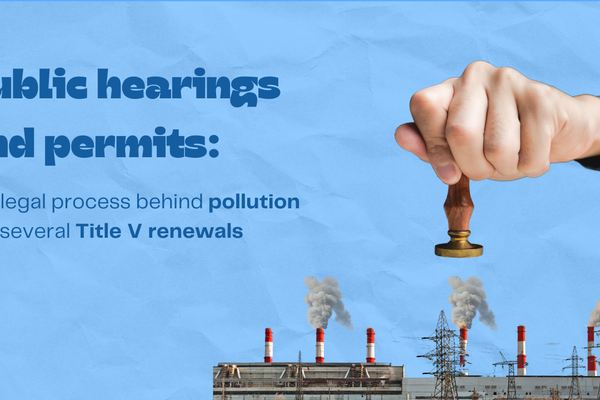
    Multiple Houston-area oil and gas facilities that have violated pollution laws are seeking permit renewals

    Multiple Houston-area oil and gas facilities that have violated pollution laws are seeking permit renewals

    One facility has emitted cancer-causing chemicals into waterways at levels up to 520% higher than legal limits.

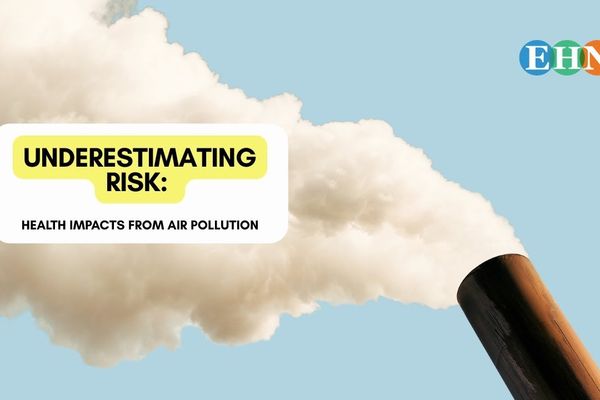
    Regulators are underestimating health impacts from air pollution: Study

    Regulators are underestimating health impacts from air pollution: Study

    "The reality is, we are not exposed to one chemical at a time.”

    Pennsylvania governor Josh Shapiro speaks with the state flag and American flag behind him.

    Two years into his term, has Gov. Shapiro kept his promises to regulate Pennsylvania’s fracking industry?

    A new report assesses the administration’s progress and makes new recommendations

    silhouette of people holding hands by a lake at sunset

    An open letter from EPA staff to the American public

    “We cannot stand by and allow this to happen. We need to hold this administration accountable.”

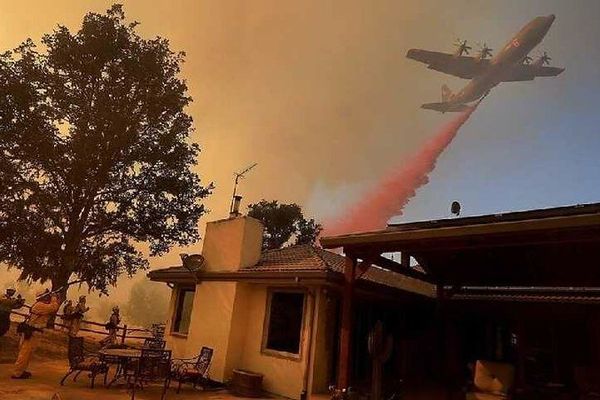
    wildfire retardants being sprayed by plane

    New evidence links heavy metal pollution with wildfire retardants

    “The chemical black box” that blankets wildfire-impacted areas is increasingly under scrutiny.

    Stay informed: sign up for The Daily Climate newsletter
    Top news on climate impacts, solutions, politics, drivers. Delivered to your inbox week days.