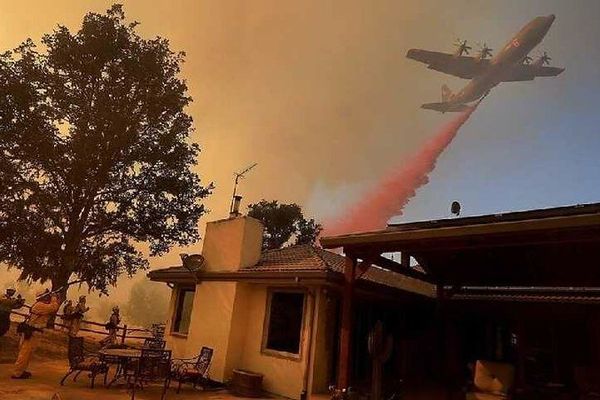
California heat waves lead to deaths, financial losses

Recent heat waves in California have resulted in hundreds of deaths and billions in economic losses over the past decade, a new report by the state insurance department reveals.

Levi Sumagaysay reports for CalMatters.


In short:

  • Seven heat events from 2013 to 2022 killed nearly 460 people and caused $7.7 billion in economic damage.
  • Effects include lost wages, productivity declines, agricultural disruptions, and infrastructure damage.
  • Low-income communities and minority groups face the highest heat-related death rates.

Key quote:

“It’s really important to understand that heat is a silent killer.”

— Michael Mendez, assistant professor of environmental planning and policy at UC Irvine

Why this matters:

Rising temperatures are more than just a summer inconvenience. They’re a serious threat to public health and the economy. Vulnerable populations, such as the elderly, children, and those with pre-existing health conditions, face the greatest risks. Hospitals and emergency services are stretched thin during extreme heat events, dealing with a surge in heat-related illnesses.

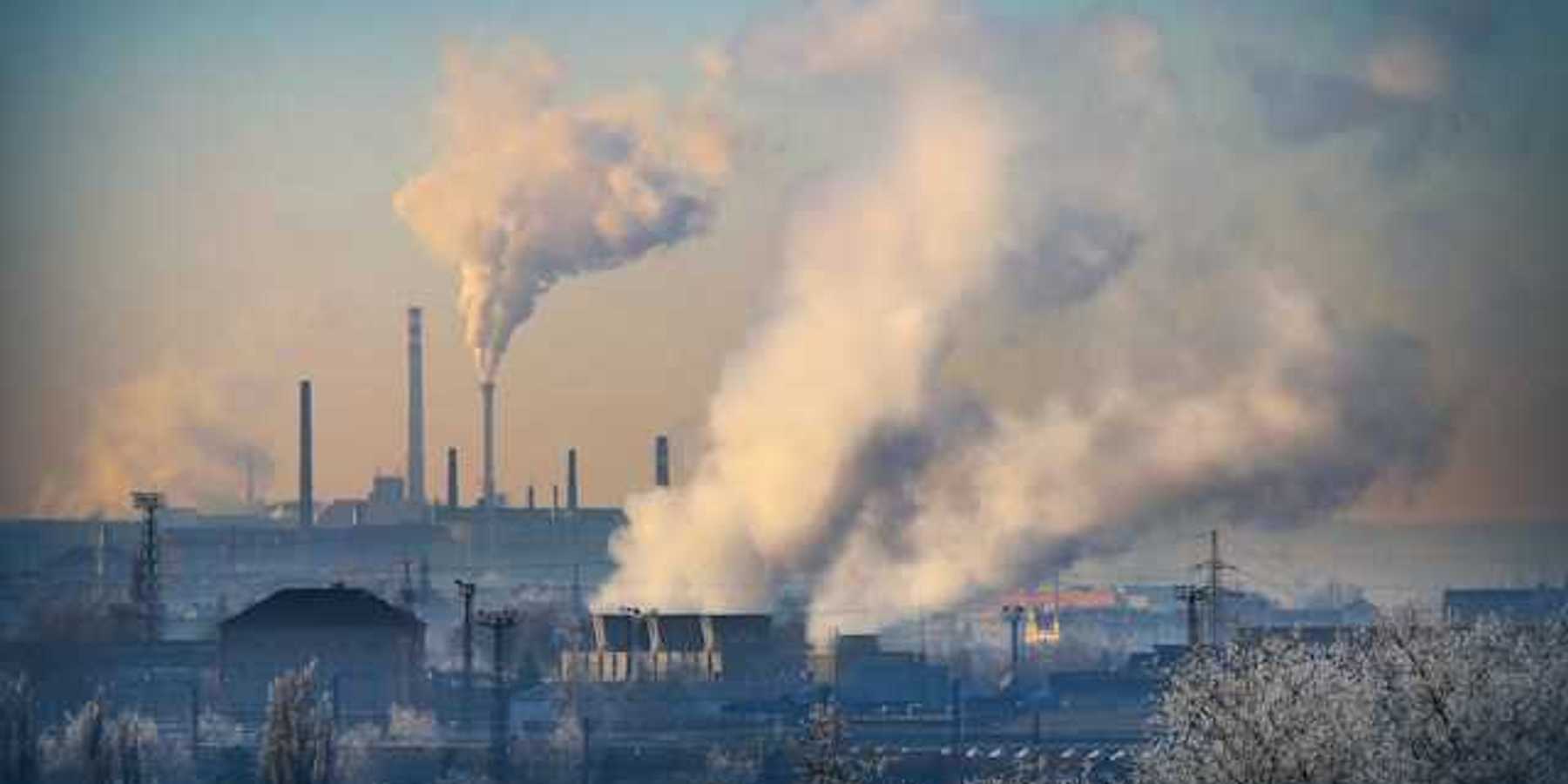
Three factory workers walking through a factory

US factories are struggling to get cleaner heat

Many manufacturers burn fossil fuels to make snacks, materials, and chemicals. High electricity costs are complicating their efforts to switch to cleaner technologies.

A Black man with perspiration on his face on a sunny day

The Post counted 70 deaths from July heat domes. The true toll may not be known

Epidemiologists said the country’s slow, sometimes haphazard approach to assessing heat mortality makes that a dramatic undercount.
An aerial view of a solar farm with wind turbines in the background

Why Germany keeps switching off its solar and wind farms

Europe’s solar and wind farms are actively choosing not to produce energy, as experts warn more investment is needed in storage and flexible technologies.

An American flag with wooden cutouts of a donkey and an elephant in the foreground

How keeping quiet about the climate could backfire for Democrats

Climate change might not be voters' top priority, but new polling suggests that emphasizing it may actually boost support for candidates.
A view of a landfill against a blue sky

Indonesia plan to cut landfill methane alters trash picker livelihoods

At Indonesia’s largest landfill, Bantargebang, waste picker Nur Wencih fears a sweeping government crackdown on open dumping could threaten the livelihood that has supported her family for two decades.
Orange Hitachi excavator working a coal mine.

Trump administration eyes massive coal reserves under federal lands

The Western U.S. is sitting on billions of tons of unmined coal, a new report from the U.S. Department of the Interior finds.

Large open-pit mining operation

Locals fear for their children’s quality of life if the biggest coal mine extension in New South Wales is approved

New South Wales Premier Chris Minns' government promised no new coal mines but permits expanding existing sites, despite being behind on climate targets.

From our Newsroom
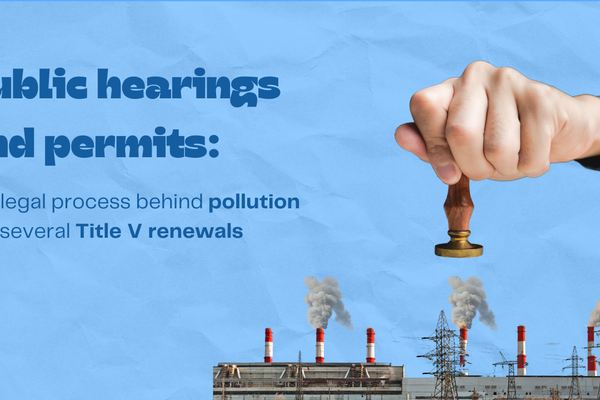
Multiple Houston-area oil and gas facilities that have violated pollution laws are seeking permit renewals

Multiple Houston-area oil and gas facilities that have violated pollution laws are seeking permit renewals

One facility has emitted cancer-causing chemicals into waterways at levels up to 520% higher than legal limits.

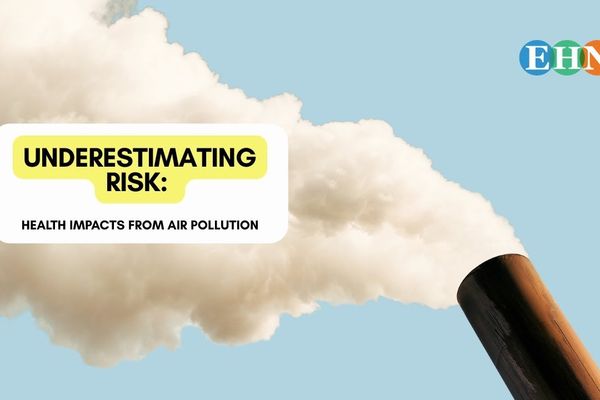
Regulators are underestimating health impacts from air pollution: Study

Regulators are underestimating health impacts from air pollution: Study

"The reality is, we are not exposed to one chemical at a time.”

Pennsylvania governor Josh Shapiro speaks with the state flag and American flag behind him.

Two years into his term, has Gov. Shapiro kept his promises to regulate Pennsylvania’s fracking industry?

A new report assesses the administration’s progress and makes new recommendations

silhouette of people holding hands by a lake at sunset

An open letter from EPA staff to the American public

“We cannot stand by and allow this to happen. We need to hold this administration accountable.”

wildfire retardants being sprayed by plane

New evidence links heavy metal pollution with wildfire retardants

“The chemical black box” that blankets wildfire-impacted areas is increasingly under scrutiny.

Stay informed: sign up for The Daily Climate newsletter
Top news on climate impacts, solutions, politics, drivers. Delivered to your inbox week days.