Baltimore is restoring wetlands to protect neighborhoods from climate threats

Baltimore is revitalizing South Baltimore's wetlands to strengthen defenses against extreme weather and climate change, while creating new green spaces for the community.

Aman Azhar reports for Inside Climate News.


In short:

  • Baltimore’s $11.5 million wetlands project aims to restore 11 acres by 2025, part of a larger 50-acre restoration plan along the Patapsco River.
  • Wetlands will reduce storm surges, filter water and provide habitats, benefiting vulnerable neighborhoods and critical infrastructure.
  • The restoration project is funded through federal initiatives and local sources, including the nearby Horseshoe Casino.

Key quote:

“We’ve changed so much of the earth that we really need to understand how nature works in our presence.”

— Dr. Eric Schott, University of Maryland Center for Environmental Science

Why this matters:

Restoring wetlands provides natural defenses against climate change, particularly for underserved communities in Baltimore. Wetlands also support biodiversity, reduce pollution and offer sustainable alternatives to traditional infrastructure. At the same time, some scientists caution that restoration is still a relatively young science that requires ongoing study in order to get urban wetland restoration projects right.


A variety of canned fish in metal cans with the lids open on a wood surface

Chilean mackerel now sourced for popular Patagonia tinned fish

Canned fish has one of the smallest carbon footprints among animal proteins — but sourcing it is getting harder with climate change.
Illustration of a printer spitting out green goo

Opinion: How Europe’s climate and sustainability rules were shredded while citizens remained in the dark

Policymakers, civil society, investors, business, and the media all must answer key questions fast — before the regulatory rollback turns into a rout.
Black and white cows standing near a field with wind turbines in the background

Scientists fed biochar to cows. Here’s what happened

A new experiment shows biochar survives cow digestion largely intact, potentially turning cattle into a vehicle for spreading this carbon-stabilizing ingredient into the soil.
A side view of a Greater Prairie Chicken with orange and red feathers on its head

Republicans celebrate as lesser prairie chicken loses threatened, endangered status

The stocky, dancing bird that populates prairies across five states lost its federal protections — not because its habitats have dramatically improved, but because a Texas court sided with energy and livestock groups.
A row of wind turbines alongside a field

The real economic impact of clean energy

US energy chief Chris Wright claims that renewable energy is dragging down Europe's economy. Is that true?
Power plant with smoke and dirty orange air.
Credit: Mikhail Dudarev/BigStock Photo ID: 14021453

Study: 2025 emissions rise due to Trump-era policies

Emissions of sulfur dioxide increased by 18% in 2025, according to an analysis of U.S. Environmental Protection Agency data by the Natural Resources Defense Council, an environmental advocacy group.

From our Newsroom
Multiple Houston-area oil and gas facilities that have violated pollution laws are seeking permit renewals

Multiple Houston-area oil and gas facilities that have violated pollution laws are seeking permit renewals

One facility has emitted cancer-causing chemicals into waterways at levels up to 520% higher than legal limits.

Regulators are underestimating health impacts from air pollution: Study

Regulators are underestimating health impacts from air pollution: Study

"The reality is, we are not exposed to one chemical at a time.”

Pennsylvania governor Josh Shapiro speaks with the state flag and American flag behind him.

Two years into his term, has Gov. Shapiro kept his promises to regulate Pennsylvania’s fracking industry?

A new report assesses the administration’s progress and makes new recommendations

silhouette of people holding hands by a lake at sunset

An open letter from EPA staff to the American public

“We cannot stand by and allow this to happen. We need to hold this administration accountable.”

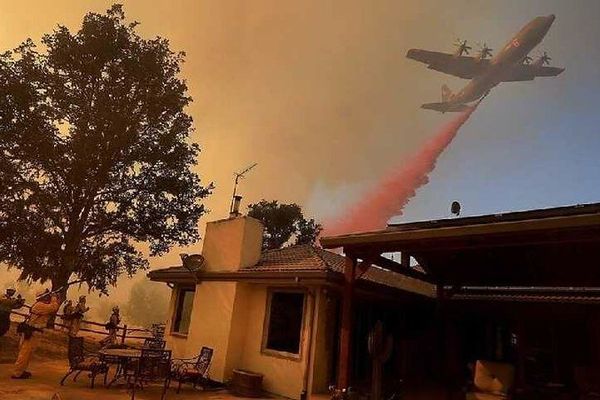
wildfire retardants being sprayed by plane

New evidence links heavy metal pollution with wildfire retardants

“The chemical black box” that blankets wildfire-impacted areas is increasingly under scrutiny.

Stay informed: sign up for The Daily Climate newsletter
Top news on climate impacts, solutions, politics, drivers. Delivered to your inbox week days.