Amazon rainforest at risk of significant transformation by mid-century, study indicates

The critical balance between human activity and the Earth's natural climate regulators is beginning to tip — and not in a good way.

Andrew Jeong reports for The Washington Post.


In short:

  • A recent study predicts that by 2050, 10% to 47% of the Amazon rainforest could undergo severe ecological changes due to deforestation and climate change, potentially transitioning into savanna grasslands.
  • The Amazon, a critical carbon sink for 65 million years, faces threats from global warming, extreme droughts, and fires, risking the release of stored carbon and accelerating global warming.
  • Researchers emphasize the urgency of maintaining "safe" ecological thresholds, including limiting global warming to 1.5 degrees Celsius and reducing deforestation to below 10% to avoid catastrophic ecosystem degradation.

Key quote:

"At the end of this process, our planet will reorganize itself, find a new equilibrium... humans and other species will have to readapt to very unpleasant conditions."

— Bernardo M. Flores, lead author of the study.

Why this matters:

The Amazon's potential collapse into a degraded ecosystem not only threatens biodiversity and Indigenous communities but also diminishes its role in carbon sequestration, exacerbating global warming. The planet’s largest ecosystems could collapse faster than we thought.

Low rows of plants in an agricultural field with trees on hills in the distance

Climate change is heating up Georgia, farmers find ways to adapt

What hotter summers mean for Georgia farms and the changes already underway, according to experts.
Aerial view of a lake with reddish rock formations in the center and perimeter of it

America’s second largest reservoir is at a record low, putting electricity supply at risk for millions

Lake Powell and Lake Mead are the nation’s largest reservoirs and provide water to approximately 35 to 40 million people.

Inside of a data center with black computers on either side of a pathway to walk through

Opinion: Meta hides data center info as it pushes more risks to Entergy’s customers

Meta’s Louisiana data center expansion could require seven additional gas plants as regulators examine transparency, infrastructure costs and risks to ratepayers.
Busy street in Dhaka Bangladesh with brick buildings and rickshaws in the street

Despite energy crisis, Bangladesh’s factories are slow to adopt solar power

Less than one-third or 31% of the garment factories in Bangladesh have adopted renewable energy technologies, including rooftop solar, despite the sector having significant potential.

An illustration of the top of a human head with the brain exposed showing a maze

The cognitive bias behind bad climate math

A new study finds two persistent mental shortcuts — not ignorance — are why people keep overrating recycling and underrating flying less.

From our Newsroom
Multiple Houston-area oil and gas facilities that have violated pollution laws are seeking permit renewals

Multiple Houston-area oil and gas facilities that have violated pollution laws are seeking permit renewals

One facility has emitted cancer-causing chemicals into waterways at levels up to 520% higher than legal limits.

Regulators are underestimating health impacts from air pollution: Study

Regulators are underestimating health impacts from air pollution: Study

"The reality is, we are not exposed to one chemical at a time.”

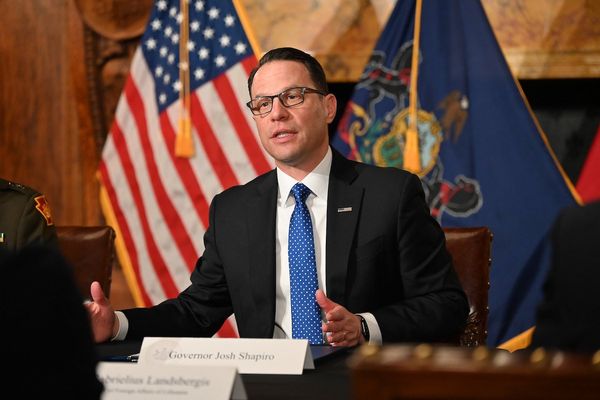
Pennsylvania governor Josh Shapiro speaks with the state flag and American flag behind him.

Two years into his term, has Gov. Shapiro kept his promises to regulate Pennsylvania’s fracking industry?

A new report assesses the administration’s progress and makes new recommendations

silhouette of people holding hands by a lake at sunset

An open letter from EPA staff to the American public

“We cannot stand by and allow this to happen. We need to hold this administration accountable.”

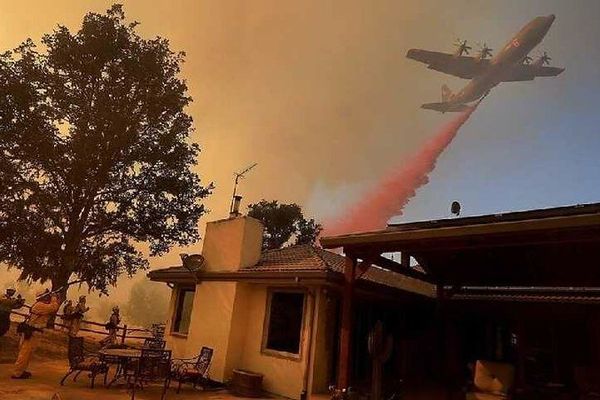
wildfire retardants being sprayed by plane

New evidence links heavy metal pollution with wildfire retardants

“The chemical black box” that blankets wildfire-impacted areas is increasingly under scrutiny.

Stay informed: sign up for The Daily Climate newsletter
Top news on climate impacts, solutions, politics, drivers. Delivered to your inbox week days.