After a century, oil and gas problems persist on Navajo lands

The legacy of fossil fuel development on Navajo lands endures in leaks, spills and neglect, reports Jerry Redfern in Capital & Main.


In a nutshell:

Over a century of mineral extraction on Navajo land has raised a critical question: do the gains from extraction outweigh the toll on health and Native culture? Oil wells dotting the landscape are just one aspect of this ongoing tension, with new gas and oil developments and proposed pipelines further exacerbating the dilemma. The struggle for basic utilities persists, despite decades of mineral wealth extraction from Navajo territory.

Key quote:

“You can see the leak of crude oil right there. Lots of crude oil,” Joseph Hernandez, a local right organizer says. “And if you get closer, you can actually hear the venting. It’s straight venting. This is all methane that is going up in the air.” He holds a string in front of the pipe and records it fluttering for the video.

The big picture:

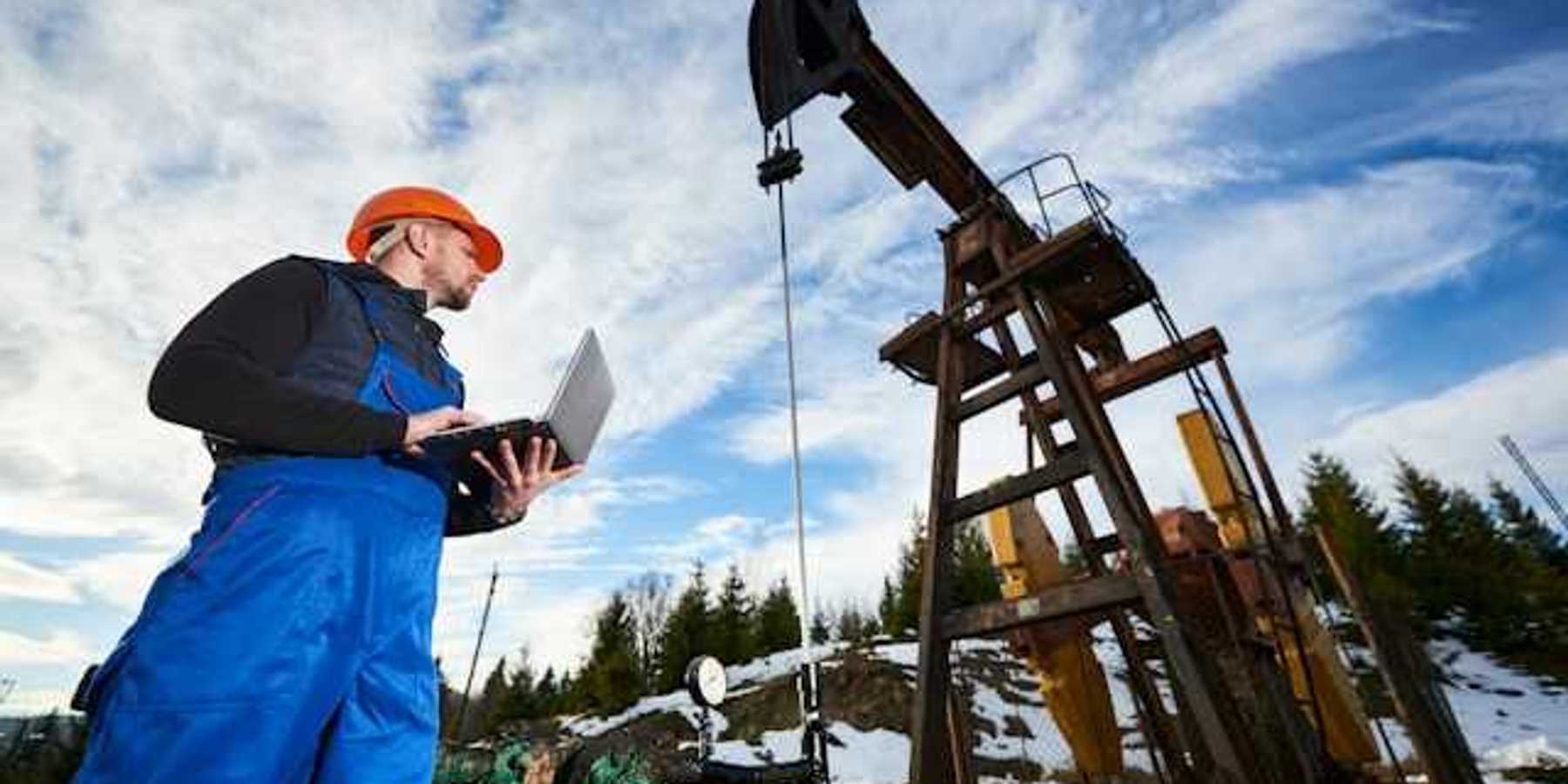
Fossil fuel development on Navajo lands has raised concerns about its potential health impacts. Residents in these areas often face exposure to air and water pollution, which can lead to respiratory illnesses and other health problems. Leaks from oil wells and pipelines can also contaminate local water sources, posing serious health risks. Lack of basic utilities like running water and electricity in many Navajo homes further compounds health challenges, leaving residents vulnerable to a range of issues, including increased mortality during events like the COVID-19 pandemic.

Read the article in Capital & Main.

Gwen Ranniger argues that today, zip code is still the most potent predictor of an individual's health and well-being.

white egret flying over wetland with trees in background.

From invasive species tracking to water security – what’s lost with federal funding cuts at US Climate Adaptation Science Centers

The people who manage America’s aquifers, wetlands, shorelines and recreation areas rely on federal science as they face new and rising risks in a changing climate.
silhouette of a girl facing sunset, golden sky and water

Who’s ready to think about blocking out the sun?

The idea of artificially lowering the planet’s temperature is gaining supporters and hitting political opposition.
Chest-down person in white protective suit and rubber boots carrying metal case, walking a shoreline.
Credit: Getty Images For Unsplash+

From invasive species tracking to water security – what’s lost with federal funding cuts at US Climate Adaptation Science Centers

The people who manage America’s aquifers, wetlands, shorelines and recreation areas rely on federal science as they face new and rising risks in a changing climate.
offshore drilling platform
Photo by Zach Theo on Unsplash

Interior skips NEPA analysis for offshore drilling expansion

All prior five-year drilling plans — dating back to 1980 — reference National Environmental Policy Act analyses.
Workers loading scrap metal onto a truck.

How extreme heat is driving kidney failure in migrant workers

Millions of migrants toil in grueling conditions in the Middle East, where brutal heat contributes to an alarming increase in kidney failure.
solar panel, wind turbines, and nuclear power plant
Credit: jaroslavav/BigStock Photo ID: 83377346

Members of America’s largest power grid can’t agree on how to power data centers

With no consensus among stakeholders, PJM Interconnection’s 10-member board now must craft a policy for surging data-center demand that has already driven up electricity prices for millions.
Large solar field stretching to horizon

Africa's solar power revolution driven by China's investment

Chinese solar equipment has been flooding African markets, partly as a ripple effect of the US-China trade war. It's one of several factors helping the continent gain traction with electrification.
From our Newsroom
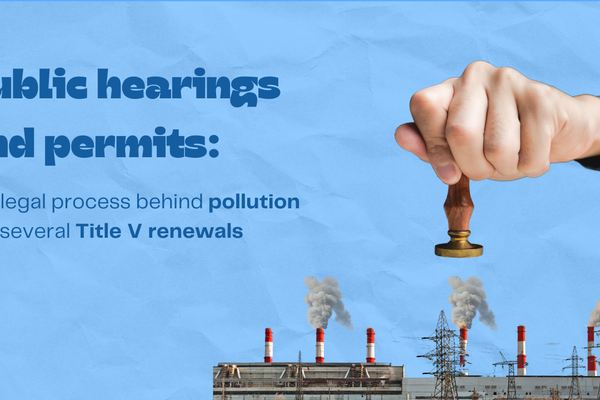
Multiple Houston-area oil and gas facilities that have violated pollution laws are seeking permit renewals

Multiple Houston-area oil and gas facilities that have violated pollution laws are seeking permit renewals

One facility has emitted cancer-causing chemicals into waterways at levels up to 520% higher than legal limits.

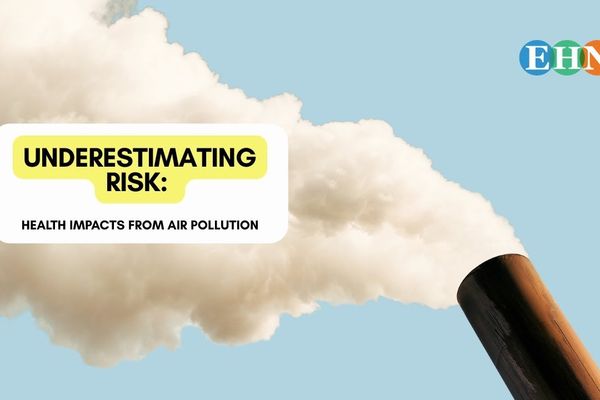
Regulators are underestimating health impacts from air pollution: Study

Regulators are underestimating health impacts from air pollution: Study

"The reality is, we are not exposed to one chemical at a time.”

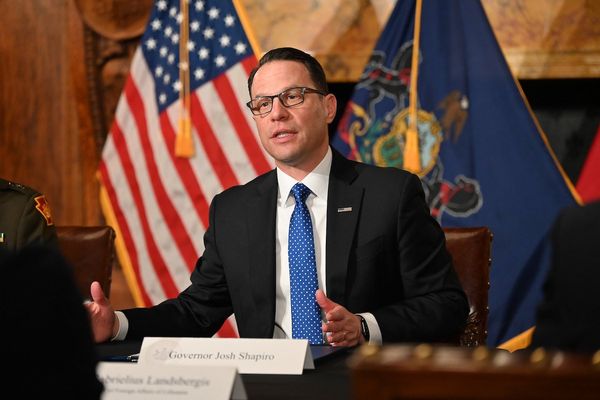
Pennsylvania governor Josh Shapiro speaks with the state flag and American flag behind him.

Two years into his term, has Gov. Shapiro kept his promises to regulate Pennsylvania’s fracking industry?

A new report assesses the administration’s progress and makes new recommendations

silhouette of people holding hands by a lake at sunset

An open letter from EPA staff to the American public

“We cannot stand by and allow this to happen. We need to hold this administration accountable.”

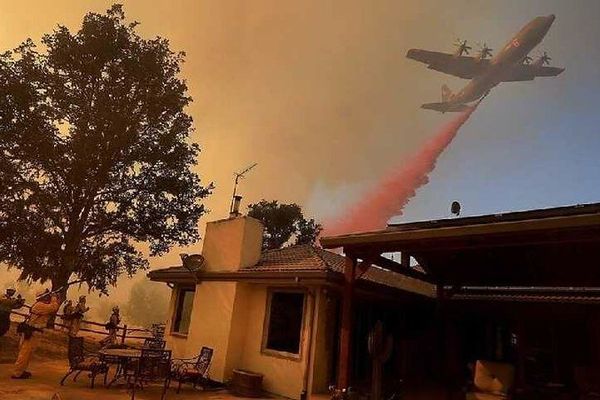
wildfire retardants being sprayed by plane

New evidence links heavy metal pollution with wildfire retardants

“The chemical black box” that blankets wildfire-impacted areas is increasingly under scrutiny.

Stay informed: sign up for The Daily Climate newsletter
Top news on climate impacts, solutions, politics, drivers. Delivered to your inbox week days.