Activists interrupt New York Times climate event with protest against oil CEO

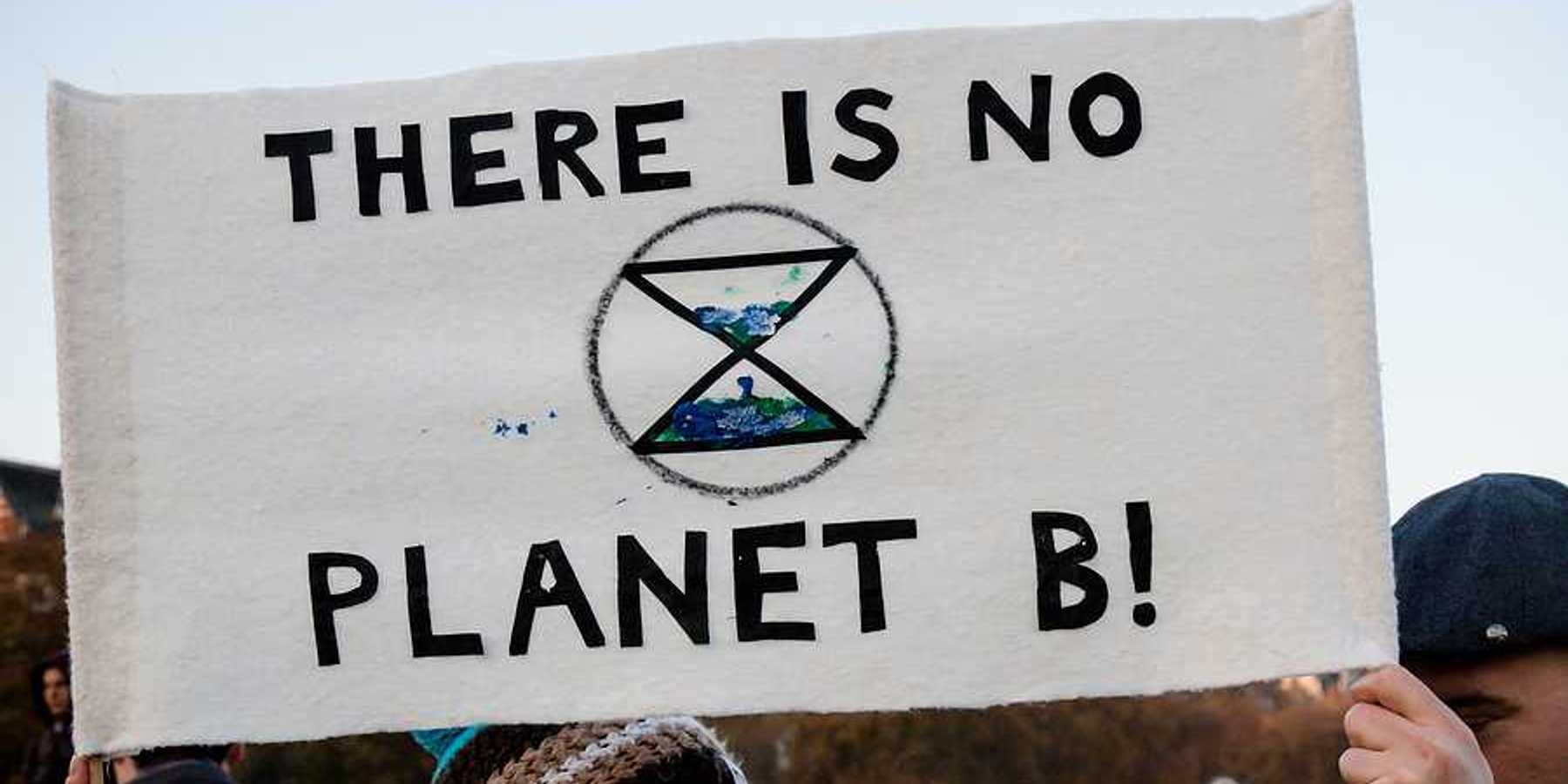
A group of activists disrupted an interview with Occidental Petroleum's CEO at a New York Times event, accusing her of "ecocide" and demanding an end to fossil fuels.

Keerti Gopal and Jake Bolster report for Inside Climate News.


In short:

  • Climate Defiance activists protested during an interview with Occidental Petroleum’s CEO, accusing the company of harming the environment.
  • The protest halted the event briefly; 10 demonstrators were arrested by the NYPD.
  • The activists argued that fossil fuel executives shouldn’t be platformed at climate events.

Key quote:

“Climate criminals should not be allowed in polite society. It is outrageous that the New York Times is hosting a fossil fuel CEO at a supposed climate event.”

— Michael Greenberg, Climate Defiance

Why this matters:

Activists are intensifying their actions against fossil fuel companies to raise awareness about greenwashing and the urgent need to transition away from oil and gas. These disruptions signal growing frustration over the perceived lack of meaningful climate action.

Related: Occidental Petroleum's net-zero claims met with skepticism
A view of houses in a wintry landscape

Permafrost thaw is transforming northern communities

In the Inuit community of Nain in Labrador, residents are witnessing the impacts of permafrost thaw. Ground that used to be solid is becoming unsteady, putting buildings at risk.

A view of a dirt road stretching into a green environment with a blue sky in the background

Kenyan teen leads charge on tree planting and climate awareness

Climate finance experts say less than 1% of international climate finance gets to youth- and children-led projects, despite climate change affecting their health, education and food security.

A view of food containers in a kitchen filled with burgers, fries and salad

Recycling food waste is good for the climate, but could add microplastics to soil, study finds

Recycling food waste nationwide instead of tossing it into a landfill could dramatically cut greenhouse gas emissions, according to new research from the University of Vermont.

Two school children walking along a path toward school

Too hot for summer school?

Scorching temperatures test the limits of programs meant to help students catch up academically.

Two towers at a coal power plant

Amid artificial intelligence boom, coal returns — with a familiar cost

Trump's order keeping an Orlando coal plant online renews environmental justice concerns over who pays AI's pollution bill.
Mural in downtown Asheville, North Carolina

A Hurricane Helene graphic novel illustrates how climate change makes extreme weather more likely

Nearly two years ago, Hurricane Helene brought unprecedented destruction to western North Carolina. A new graphic novel reminds readers that a 1,000-year storm like this could happen again in our lifetimes.
Massive wildfire partially obscuring a setting (or rising sun)

Summer of heat, fires, and storms is a reckoning for Europe on climate

The continent is experiencing some of its biggest fires and highest temperatures ever. Residents are fleeing, leaders are struggling to respond and “it will get worse,” one climate expert said.
From our Newsroom
Multiple Houston-area oil and gas facilities that have violated pollution laws are seeking permit renewals

Multiple Houston-area oil and gas facilities that have violated pollution laws are seeking permit renewals

One facility has emitted cancer-causing chemicals into waterways at levels up to 520% higher than legal limits.

Regulators are underestimating health impacts from air pollution: Study

Regulators are underestimating health impacts from air pollution: Study

"The reality is, we are not exposed to one chemical at a time.”

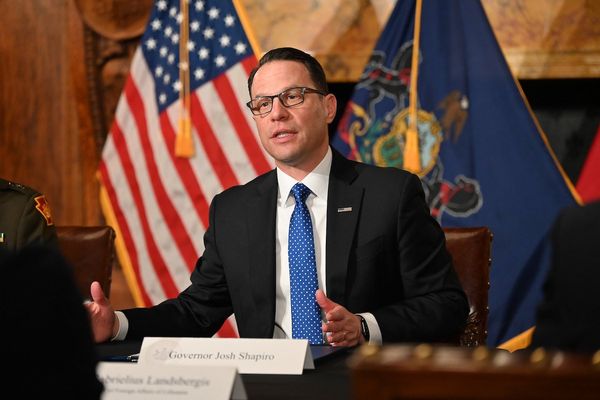
Pennsylvania governor Josh Shapiro speaks with the state flag and American flag behind him.

Two years into his term, has Gov. Shapiro kept his promises to regulate Pennsylvania’s fracking industry?

A new report assesses the administration’s progress and makes new recommendations

silhouette of people holding hands by a lake at sunset

An open letter from EPA staff to the American public

“We cannot stand by and allow this to happen. We need to hold this administration accountable.”

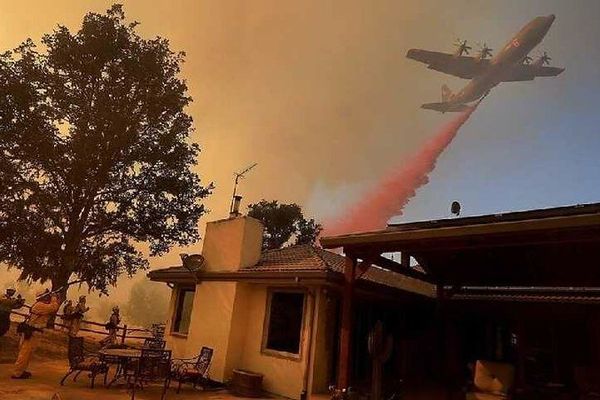
wildfire retardants being sprayed by plane

New evidence links heavy metal pollution with wildfire retardants

“The chemical black box” that blankets wildfire-impacted areas is increasingly under scrutiny.

Stay informed: sign up for The Daily Climate newsletter
Top news on climate impacts, solutions, politics, drivers. Delivered to your inbox week days.