A Pennsylvania college's leap towards a sustainable future

Swarthmore College is transitioning from fossil fuels to a renewable-powered geoexchange system for campus heating and cooling.

Kiley Bense reports for Inside Climate News.


In short:

  • Swarthmore College aims for carbon neutrality by 2035, replacing its century-old natural gas system with a renewable energy-powered geoexchange system.
  • The project involves drilling 350 wells and is part of a broader commitment by higher education institutions to reduce greenhouse gas emissions.
  • This initiative not only showcases Swarthmore's commitment to sustainability but also serves as a model for other institutions.

Key quote:

" ... it's time to think about positioning the institution for the next century of energy rather than looking toward last century's energy systems."

— Andy Feick, associate vice president for sustainable facilities operation and capital planning

Why this matters:

By prioritizing renewable energy, Swarthmore College not only aims to significantly reduce its carbon footprint but also sets a precedent for others, highlighting the importance of sustainable practices in safeguarding our environment and health.

Elizabeth Sawin: Steps to re-invigorate the economy must free us from polluting fossil fuels.

A view of solar panels against a cloudy day

‘We’re hardly producing any power’: Can Europe’s solar boom survive a cloudy winter?

A prolonged period of cloudy and windless weather can throttle Europe's solar and wind generations, often causing the grid to rely on polluting back-up sources.
A view of a row of solar panels extending over the water

Solar above, fish below: Double-decker farm's vast energy potential

Floating solar panels over the world’s fish and shrimp ponds could generate 4,100 terawatt-hours of electricity, avoiding up to 2.5 billion tons of emissions.
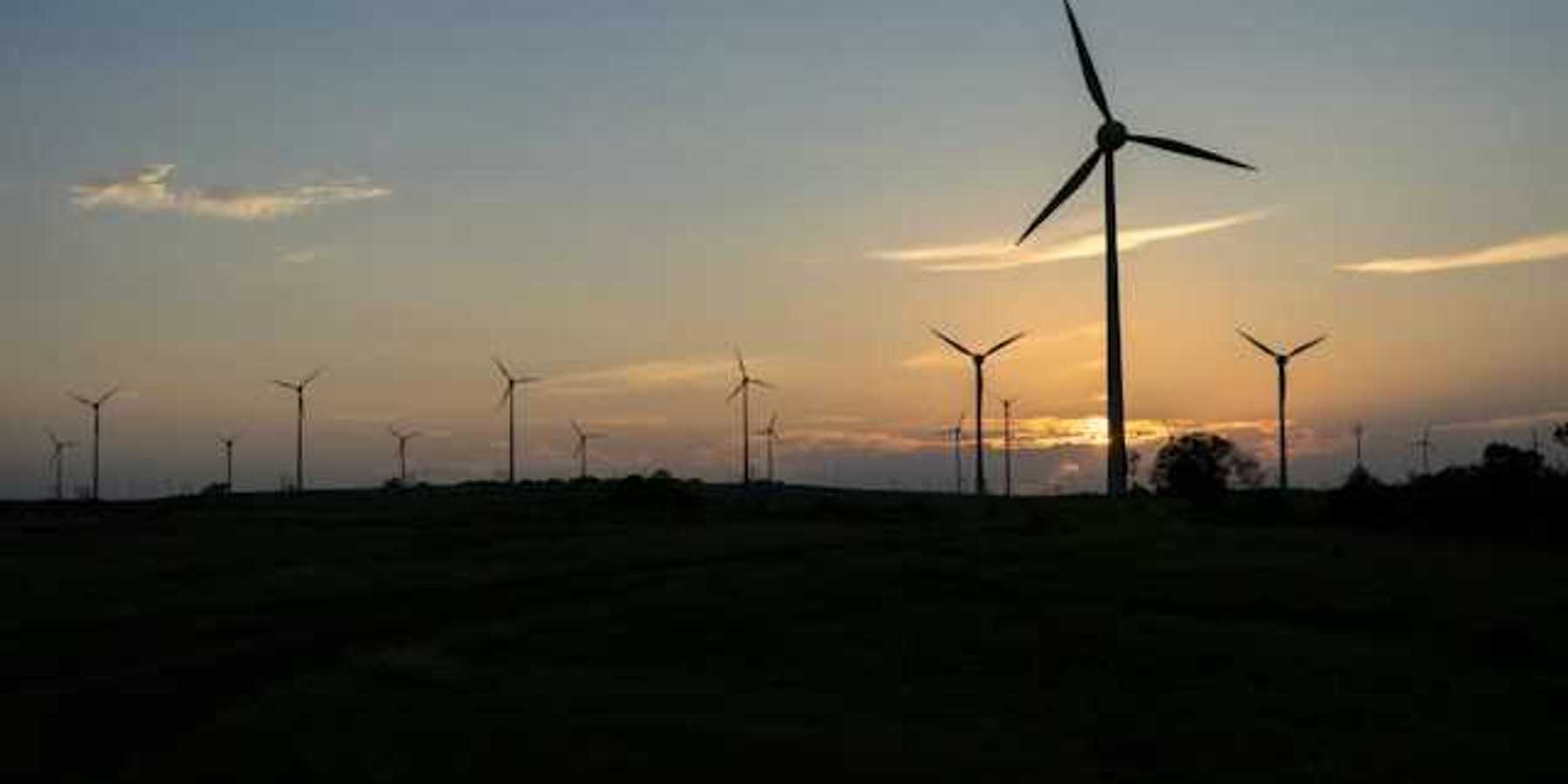
A view of wind turbines silhouetted against a darkening sky

Democrats plan to push clean energy in Congress as Trump backs fossil fuels

Some Democrats are promising to push for more clean energy to help tackle rising energy costs when they take control of Congress in January.
A small Nepalese girl carrying her younger sibling on her back

Climate change is bringing dengue fever to the high Himalayas

As Nepal’s mountains warm, mosquitoes are spreading dengue, once strictly a lowland disease, to higher-elevation, densely-populated areas.
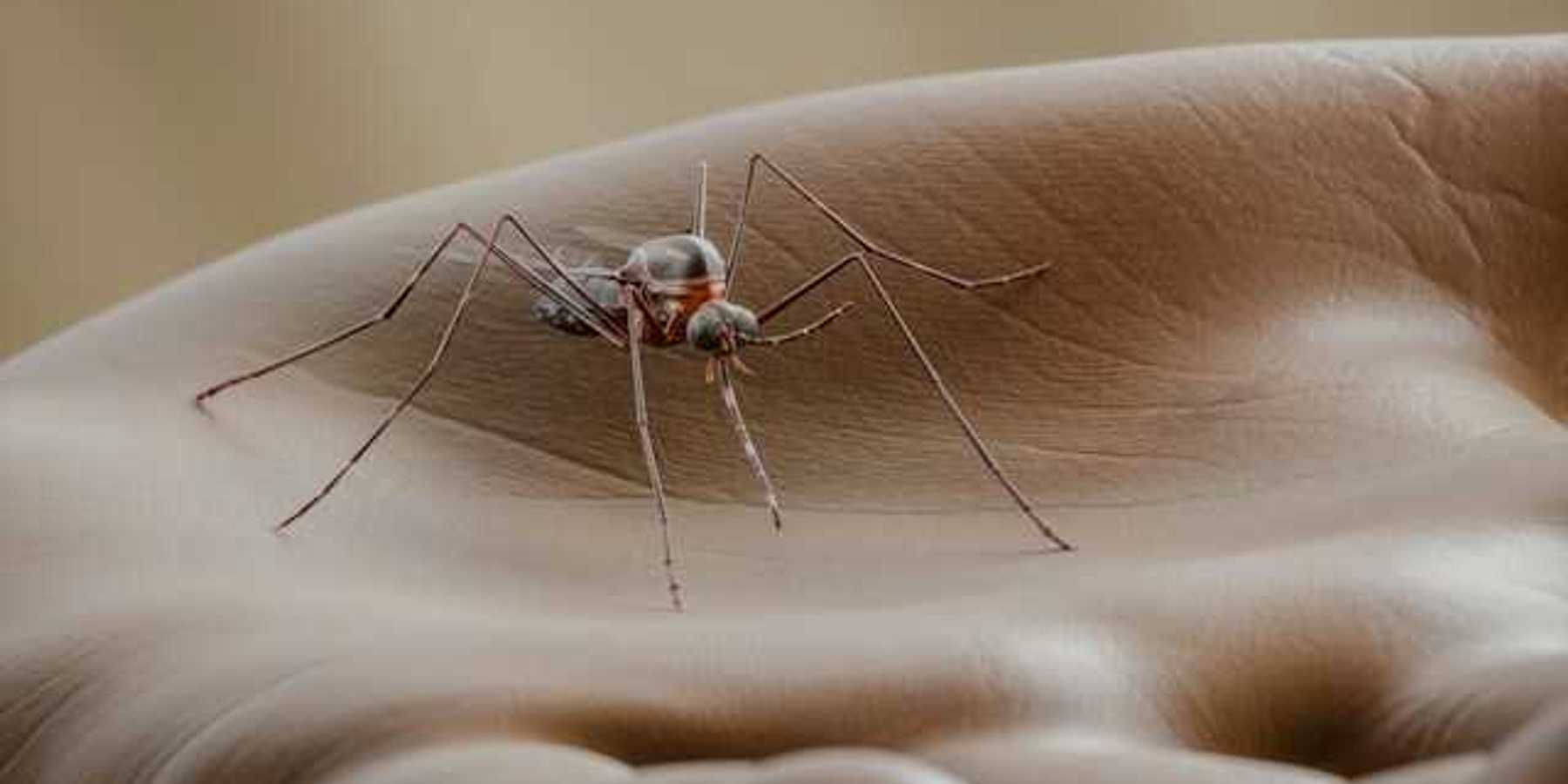
A closeup of a human hand with a large mosquito on it

Drought driven by climate change is redefining how disease spreads, study finds

As climate change intensifies, drought is widening globally, causing alterations in water-dependent pathogen patterns, leaving scientists scrambling to understand how infectious disease transmission is evolving.

Aerial view of several rows of solar panels in a green field

COP31 host Türkiye is home to one of Europe's largest solar farms. Why can’t it kick coal?

As Türkiye prepares to host the UN climate summit, one critic describes the country's climate targets and policies as “critically insufficient”.
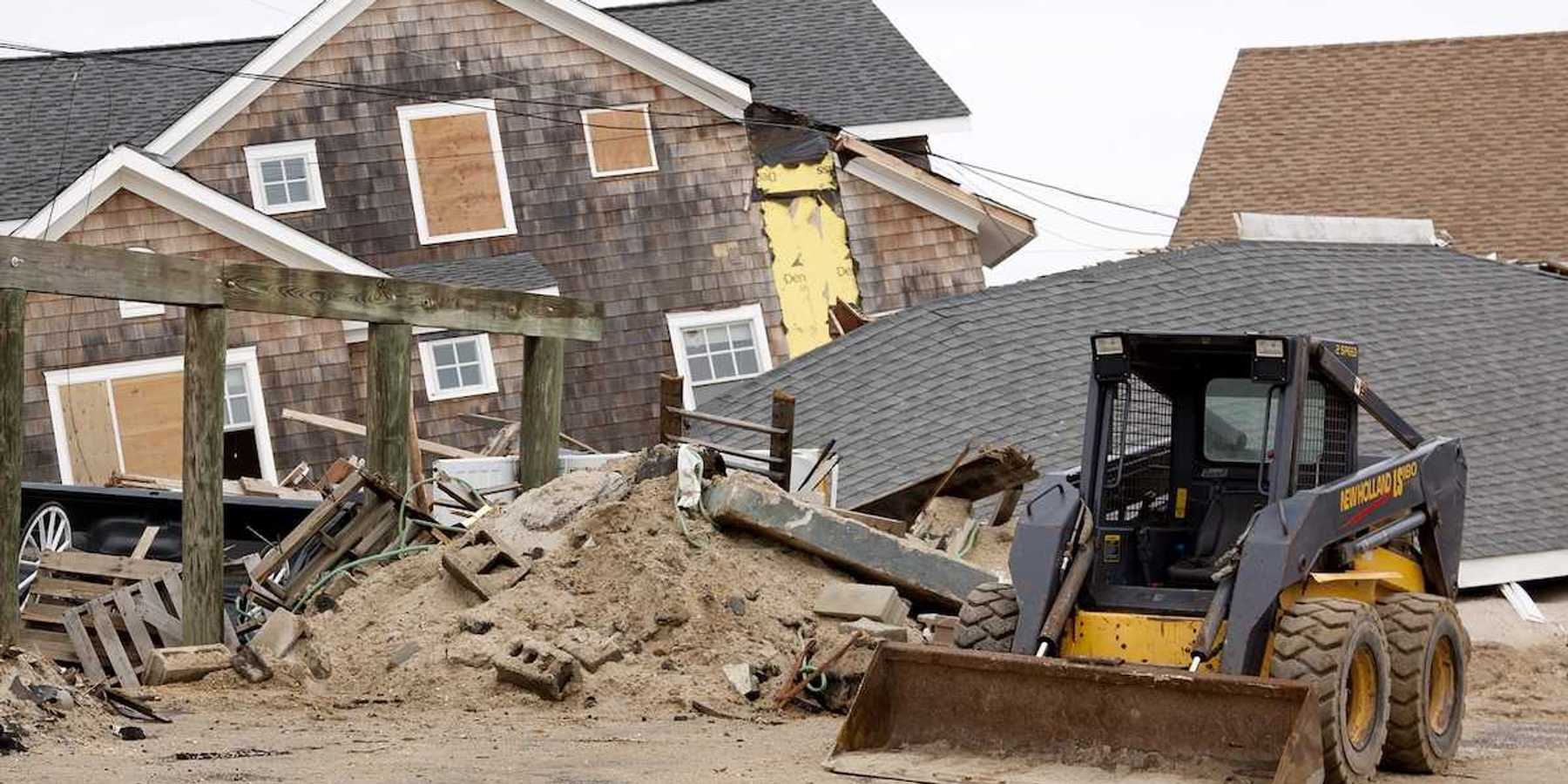
A yellow skid-steer loader in front of destroyed homes on January 13, 2013 in Lavallette, New Jersey in the aftermath of Hurricane Sandy
Credit: Glynnis Jones/BigStock Photo ID: 41233060

Disaster-prone communities face cuts and slowdowns in federal help

The Trump administration is scaling back or stalling investments that help vulnerable places harden themselves to rising flood and fire threats.
From our Newsroom
Multiple Houston-area oil and gas facilities that have violated pollution laws are seeking permit renewals

Multiple Houston-area oil and gas facilities that have violated pollution laws are seeking permit renewals

One facility has emitted cancer-causing chemicals into waterways at levels up to 520% higher than legal limits.

Regulators are underestimating health impacts from air pollution: Study

Regulators are underestimating health impacts from air pollution: Study

"The reality is, we are not exposed to one chemical at a time.”

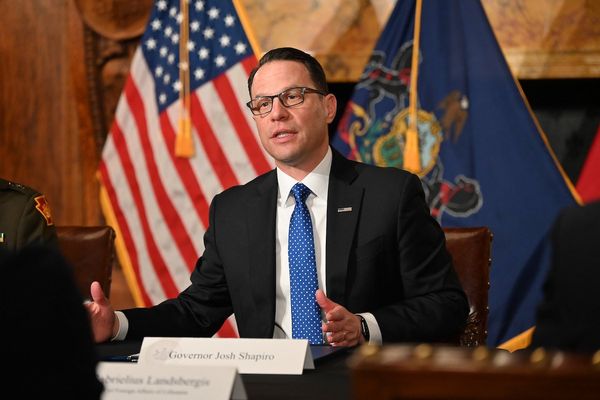
Pennsylvania governor Josh Shapiro speaks with the state flag and American flag behind him.

Two years into his term, has Gov. Shapiro kept his promises to regulate Pennsylvania’s fracking industry?

A new report assesses the administration’s progress and makes new recommendations

silhouette of people holding hands by a lake at sunset

An open letter from EPA staff to the American public

“We cannot stand by and allow this to happen. We need to hold this administration accountable.”

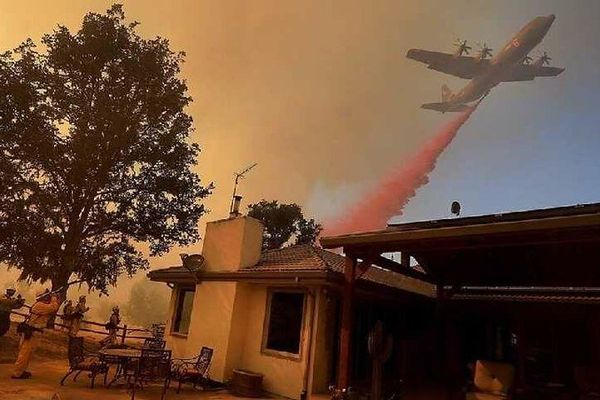
wildfire retardants being sprayed by plane

New evidence links heavy metal pollution with wildfire retardants

“The chemical black box” that blankets wildfire-impacted areas is increasingly under scrutiny.

Stay informed: sign up for The Daily Climate newsletter
Top news on climate impacts, solutions, politics, drivers. Delivered to your inbox week days.