Rich nations exporting old gas cars could damage climate goals

As wealthy countries electrify their fleets, they are exporting millions of used gas-powered vehicles to developing nations, threatening efforts to curb emissions and worsening air quality.

David Zipper reports for Vox.


In short:

  • Rich nations are sending millions of gas cars to the Global South, adding to emissions rather than reducing them.
  • These used cars are often outdated and lack modern emissions or safety features, worsening pollution and road conditions.
  • Developing countries have weak regulations, making it easy for low-quality vehicles to flood their markets.

Key quote:

"I'm really worried that everything is going to be gas vehicles for many years, maybe decades."

— Godwin Ayetor, senior lecturer, Kwame Nkrumah University of Science and Technology

Why this matters:

A surge in gas-powered cars in developing nations will increase global emissions, hindering efforts to tackle climate change. Without stricter regulations, these countries risk becoming dumping grounds for polluting vehicles, undermining long-term sustainability and health outcomes.

Related EHN coverage: A century of tragedy: How the car and gas industry knew about the health risks of leaded fuel but sold it for 100 years anyway
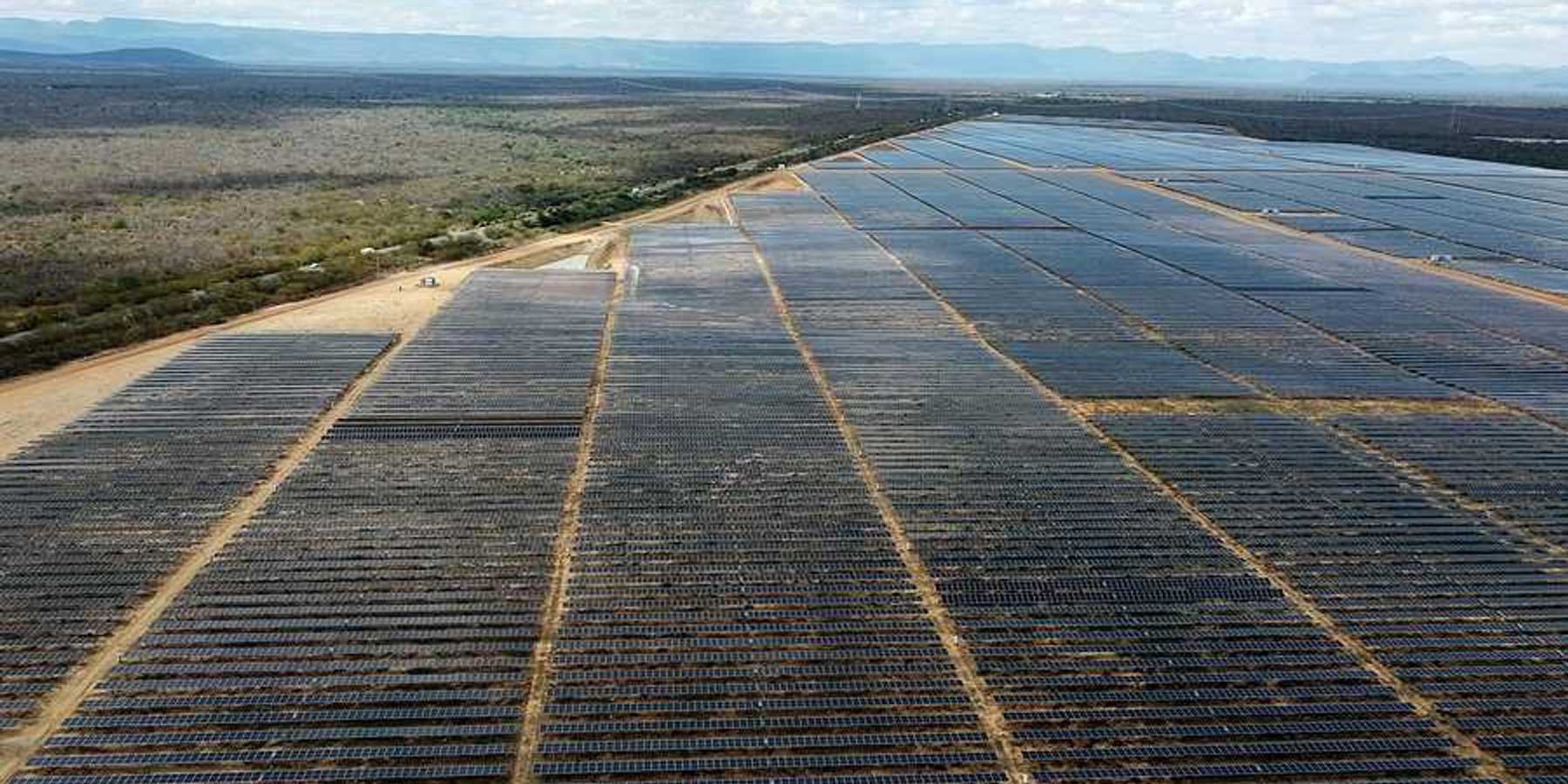
A view of a huge solar farm in Brazil with mountain ranges in the background

Brazil’s unique data center boom rides on clean power despite social burden

With a predominantly renewable energy mix, Brazil has become an attractive destination for data centers.

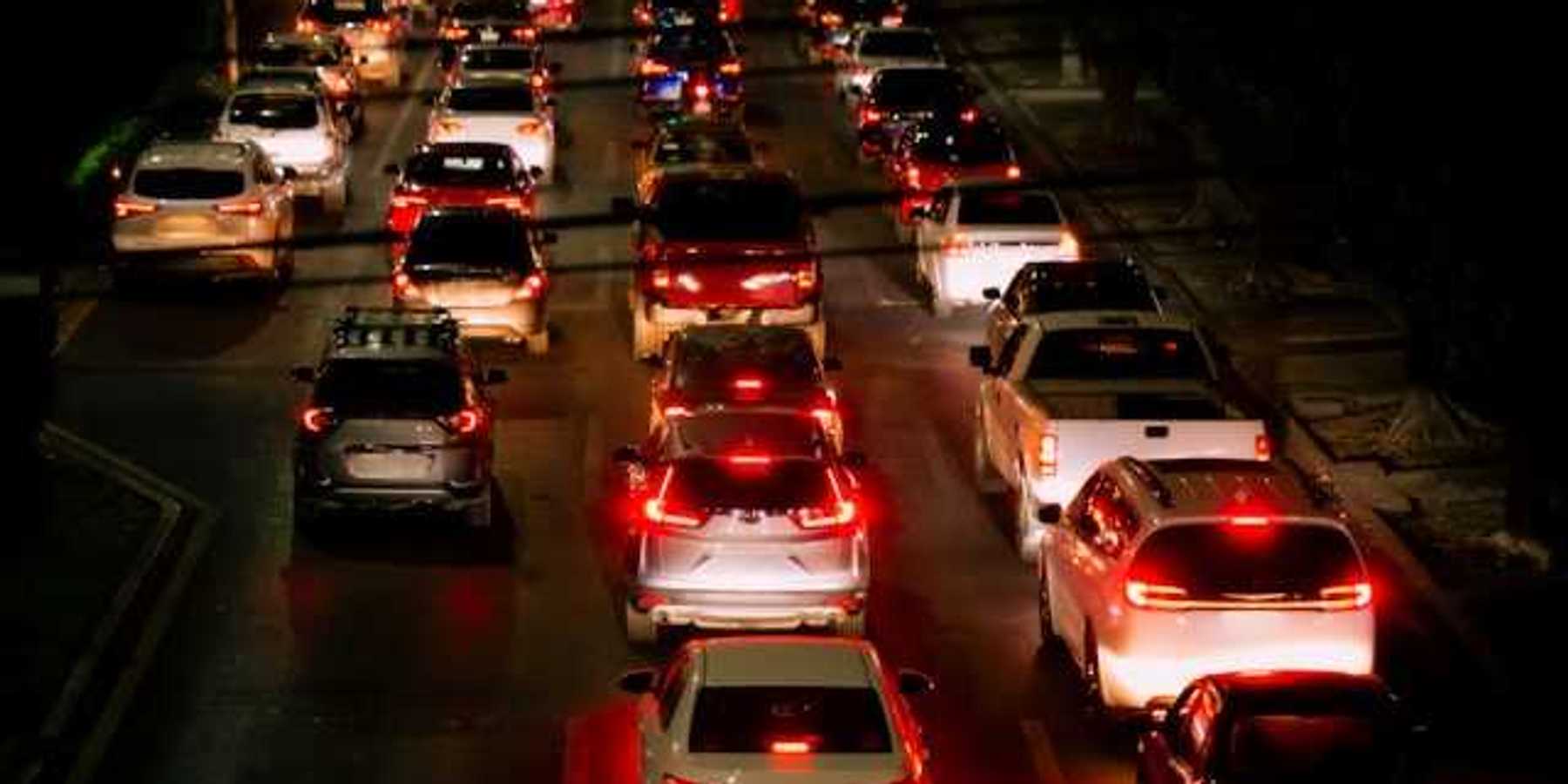
A view of a traffic jam with many cars and red brake lights

The clean energy transition has a grid problem. Here’s how to fix it

If the United States’ electrical grid were a highway, much of it would be clogged with bumper-to-bumper traffic.

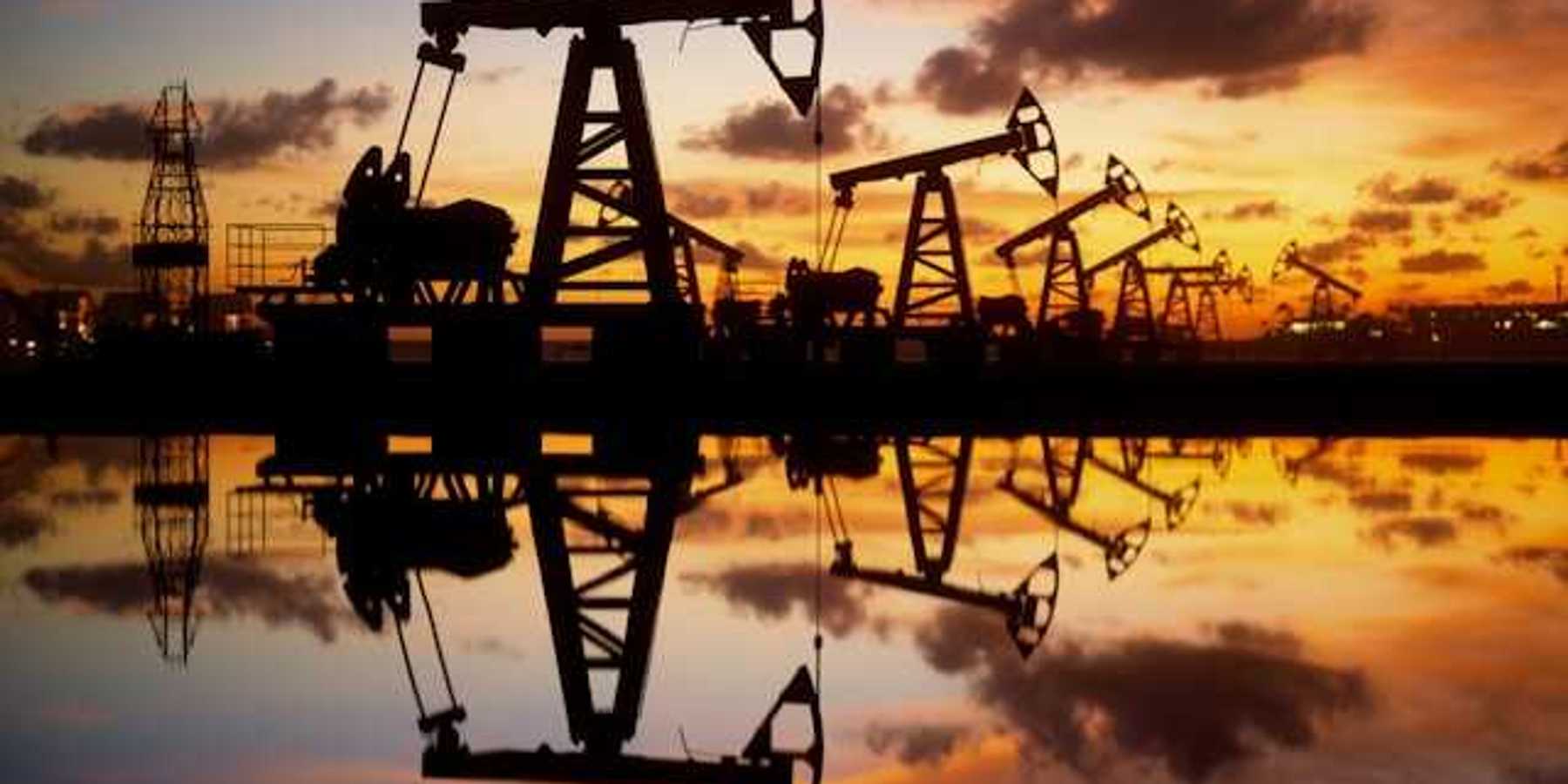
A view of a row of oil pump jacks with a beautiful sunset in the background

The world inches closer to catastrophic climate events

Scientists have long warned that the world will experience more intense extreme weather events like heat waves, storms, floods and droughts as long as we continue to use gas, oil and coal at our current pace.
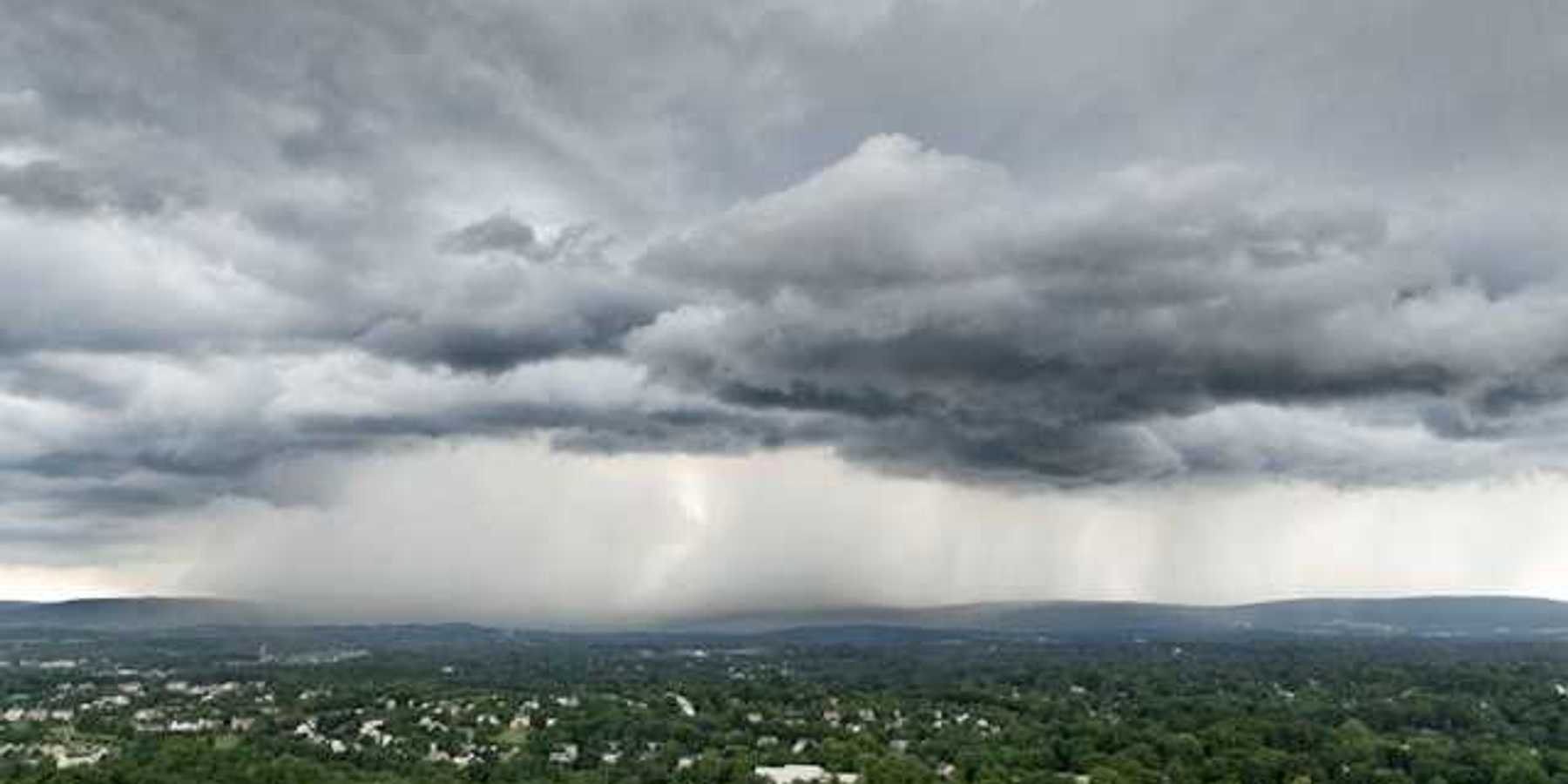
An aerial view of a town surrounded by green trees with a huge storm in the distance

Even meteorologists are baffled by the Midwestern tornado season

More than 200 tornadoes have hit Illinois this year. Here's how the twisters form, and how climate change might be influencing them.
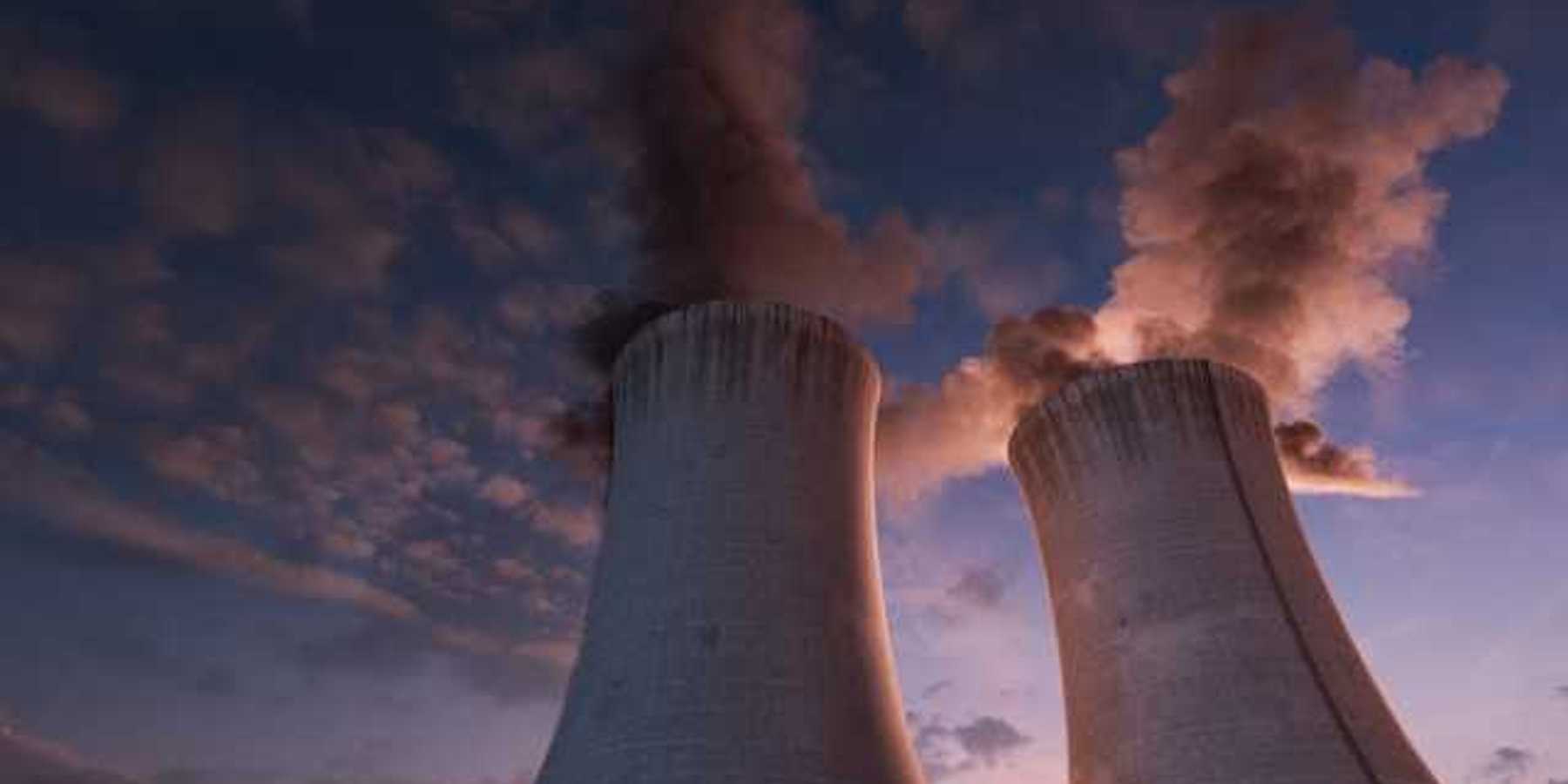
A view of two nuclear towers at sunset

Why nuclear, why New Hampshire, why now?

Dependence on natural gas is a major reason New Hampshire’s electric bills — and those in other New England states — often rank among the highest in the nation.

A linen dress on a woman in a field of wildflowers; she is holding a woven basket with plants inside

Fashion’s climate opportunity: Can we dress our way towards change?

Fashion's climate impact isn't a question of what our clothes are made from, but of a system built around encouraging us to consume more.

From our Newsroom
Multiple Houston-area oil and gas facilities that have violated pollution laws are seeking permit renewals

Multiple Houston-area oil and gas facilities that have violated pollution laws are seeking permit renewals

One facility has emitted cancer-causing chemicals into waterways at levels up to 520% higher than legal limits.

Regulators are underestimating health impacts from air pollution: Study

Regulators are underestimating health impacts from air pollution: Study

"The reality is, we are not exposed to one chemical at a time.”

Pennsylvania governor Josh Shapiro speaks with the state flag and American flag behind him.

Two years into his term, has Gov. Shapiro kept his promises to regulate Pennsylvania’s fracking industry?

A new report assesses the administration’s progress and makes new recommendations

silhouette of people holding hands by a lake at sunset

An open letter from EPA staff to the American public

“We cannot stand by and allow this to happen. We need to hold this administration accountable.”

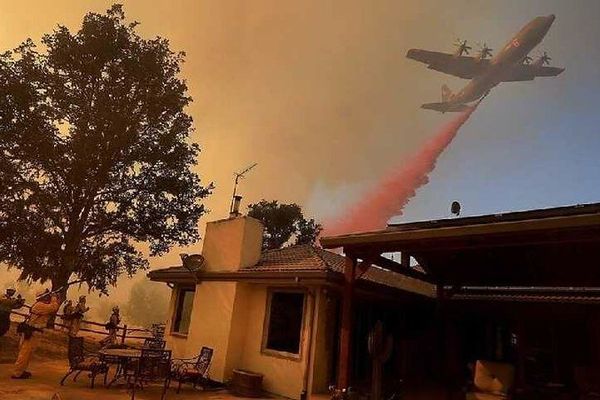
wildfire retardants being sprayed by plane

New evidence links heavy metal pollution with wildfire retardants

“The chemical black box” that blankets wildfire-impacted areas is increasingly under scrutiny.

Stay informed: sign up for The Daily Climate newsletter
Top news on climate impacts, solutions, politics, drivers. Delivered to your inbox week days.