Great Salt Lake dust harms Pacific Islanders and Hispanics

Research from the University of Utah shows that Pacific Islanders and Hispanics are most affected by dust from the Great Salt Lake's exposed bed, highlighting the environmental justice issue in the region.

Amy Joi O'Donoghue reports for Deseret News.


In short:

  • The Great Salt Lake’s drying has left 800 square miles of exposed bed, causing harmful dust exposure.
  • During wind events, PM2.5 levels spike to 26 μg/m3, exceeding the WHO threshold of 15 μg/m3.
  • Restoring the lake could reduce disparities in dust exposure among racial and ethnic groups.

Key quote:

“People here in Utah are concerned about the lake for a variety of reasons... this study adds environmental justice and the equity implications of the drying lake to the conversation.”

— Sara Grineski, professor of sociology and environmental studies at the University of Utah

Why this matters:

As the Great Salt Lake continues to recede, largely due to prolonged drought and water diversion for agriculture and urban use, vast swaths of the lake bed are left exposed. These areas become significant sources of dust, which can carry harmful pollutants and particulate matter into the air. Pacific Islander and Hispanic populations, often residing in areas closer to these exposed regions, face higher health risks from dust exposure, leading to respiratory issues and other health complications that can worsen existing disparities.

EPA administrator Lee Zeldin speaking with attendees at The People's Convention at Huntington Place in Detroit, Michigan.
Credit: Gage Skidmore/https://www.flickr.com/photos/gageskidmore/ Creative Commons https://creativecommons.org/licenses/by-sa/2.0/

Chemical giant, climate skeptics vie for seats on EPA science panel

The Science Advisory Board could influence the Trump administration's plans to revisit a host of regulations.
Cutting board adorned with fresh vegetables and fruit

Nutritionist Marion Nestle weighs in on 'What to Eat Now'

Marion Nestle says we need to rethink how we eat. She recommends "real food, processed as little as possible, with a big emphasis on plants." Her new book is What to Eat Now.
A bobblehead of President Donald Trump on the floor of the Arizona House of Representatives
Credit: Gage Skidmore/ https://www.flickr.com/photos/gageskidmore/5427075... https://creativecommons.org/licenses/by-sa/2.0/

With Trump absent from COP30 talks, the world moves on without U.S.

As scientists sound the alarm, the world is committing to climate action “with or without the United States.”
An illustration of the globe with a giant band aid on it

Podcast: Will we artificially cool the planet?

Professor Ted Parson talks about solar geoengineering as a potential response to severe climate risks, exploring why humanity may need to consider deliberately cooling Earth by spraying reflective particles in the upper atmosphere.

Statsminister Jonas Gahr: Speaker at COP30
Credit: https://www.flickr.com/photos/statsministerenskontor/ Creative Commons Foto: Martin Lerberg Fossum https://creativecommons.org/licenses/by-nc/4.0/

Fossil fuel lobbyists outnumber all COP30 delegations except Brazil, report says

One in every 25 participants at 2025 UN climate summit is a fossil fuel lobbyist, according to Kick Big Polluters Out
Ursula von der Leyen as the first female President of the European Commission during EPP Congress in Zagreb
Credit: : palinchak/BigStock Photo ID: 337032124

European Parliament backs diluted 2040 climate targets

Lawmakers approved proposals to slightly weaken EU carbon emissions targets for 2040. Another vote on corporate supply chain standards was even more contentious as it required populist support to pass.
Old Whitaker oil pumping rig - abandoned oil well
Credit: Photo by Roger Starnes Sr on Unsplash

Opponents say bill bolstering Ohio's orphan well program is too generous to the oil and gas industry

An Ohio Senate measure updating the state’s orphan well program is getting pushback from environmentalists, counties, and farmers.
From our Newsroom
Multiple Houston-area oil and gas facilities that have violated pollution laws are seeking permit renewals

Multiple Houston-area oil and gas facilities that have violated pollution laws are seeking permit renewals

One facility has emitted cancer-causing chemicals into waterways at levels up to 520% higher than legal limits.

Regulators are underestimating health impacts from air pollution: Study

Regulators are underestimating health impacts from air pollution: Study

"The reality is, we are not exposed to one chemical at a time.”

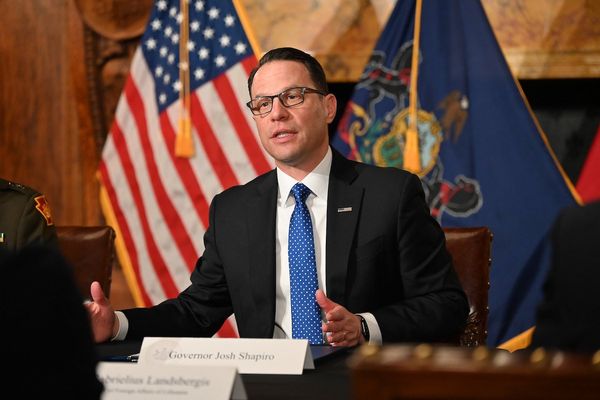
Pennsylvania governor Josh Shapiro speaks with the state flag and American flag behind him.

Two years into his term, has Gov. Shapiro kept his promises to regulate Pennsylvania’s fracking industry?

A new report assesses the administration’s progress and makes new recommendations

silhouette of people holding hands by a lake at sunset

An open letter from EPA staff to the American public

“We cannot stand by and allow this to happen. We need to hold this administration accountable.”

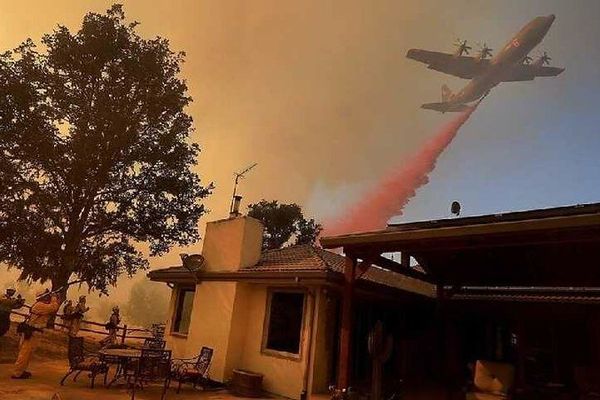
wildfire retardants being sprayed by plane

New evidence links heavy metal pollution with wildfire retardants

“The chemical black box” that blankets wildfire-impacted areas is increasingly under scrutiny.

Stay informed: sign up for The Daily Climate newsletter
Top news on climate impacts, solutions, politics, drivers. Delivered to your inbox week days.