Extreme wildfires have doubled in the last 20 years

Extreme wildfires have more than doubled in frequency and intensity over the past two decades, driven by a warming and drying climate.

Austyn Gaffney reports for The New York Times.


In short:

  • The study, published in Nature Ecology & Evolution, analyzed 21 years of data and found over 2,900 extreme wildfire events worldwide.
  • Wildfires in temperate conifer forests in North America and boreal forests in North America and Russia increased significantly, influenced by climate change.
  • Extreme wildfires pose significant risks to nearby communities and affect distant regions through smoke and greenhouse gas emissions.

Key quote:

“We’re seeing the manifestations of a warming and drying climate before our very eyes in these extreme fires.”

— Calum Cunningham, a postdoctoral researcher in pyrogeography at the University of Tasmania

Why this matters:

As temperatures rise and droughts become more severe, forests that once served as carbon sinks are now becoming tinderboxes. These fires release significant amounts of carbon dioxide, exacerbating global warming in a vicious cycle. The smoky haze that blankets cities miles away from the blazes poses serious respiratory risks, particularly for children, the elderly, and those with pre-existing conditions.
A view from below of a brick apartment building

Heat waves cost some Toronto residents more

Climate change is bringing more frequent heat waves to cities, but not all residents have equal access to space to cool down.

A view of a street with lots of flowering vines growing on the houses

Urban heat islands have solutions; many tropical cities can’t afford them

Urban heat islands pose a growing global health threat, but in tropical cities, the peril is surging.

A Black woman putting her voting record into a box at a polling station

In Arizona, the thermostat is driving voters to the polls

Record heat, two rate hikes and a data center boom have turned utility bills — not climate — into the state’s most volatile issue.
A closeup of a brown insect on a green leaf

Tick populations surge as the climate warms, and farmers bear the brunt

Farmers are at an elevated risk for tick-borne illnesses, which can have devastating health and economic consequences.
White government building with large decorative pillars

What to know about the Supreme Court’s major climate case this fall

The decision could set a significant precedent for states and cities trying to hold fossil fuel companies accountable for climate impacts.
A group of runners with numbered tags running on a city street

Hot weather forces marathons to consider changes to help runners

Marathon organizers are adjusting to warmer race conditions caused by climate change. Many races are shifting dates, starting earlier or offering shorter runs.
View from a group of aluminum soda cans from above, opened

US aluminum is poised for a comeback — if it overcomes these hurdles

Tariffs and rising grid demand are spurring a revival, but high electricity costs and community concerns threaten to stall key new smelter projects
From our Newsroom
Multiple Houston-area oil and gas facilities that have violated pollution laws are seeking permit renewals

Multiple Houston-area oil and gas facilities that have violated pollution laws are seeking permit renewals

One facility has emitted cancer-causing chemicals into waterways at levels up to 520% higher than legal limits.

Regulators are underestimating health impacts from air pollution: Study

Regulators are underestimating health impacts from air pollution: Study

"The reality is, we are not exposed to one chemical at a time.”

Pennsylvania governor Josh Shapiro speaks with the state flag and American flag behind him.

Two years into his term, has Gov. Shapiro kept his promises to regulate Pennsylvania’s fracking industry?

A new report assesses the administration’s progress and makes new recommendations

silhouette of people holding hands by a lake at sunset

An open letter from EPA staff to the American public

“We cannot stand by and allow this to happen. We need to hold this administration accountable.”

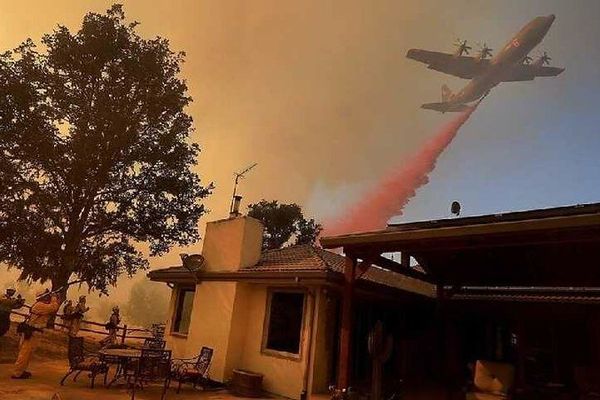
wildfire retardants being sprayed by plane

New evidence links heavy metal pollution with wildfire retardants

“The chemical black box” that blankets wildfire-impacted areas is increasingly under scrutiny.

Stay informed: sign up for The Daily Climate newsletter
Top news on climate impacts, solutions, politics, drivers. Delivered to your inbox week days.